
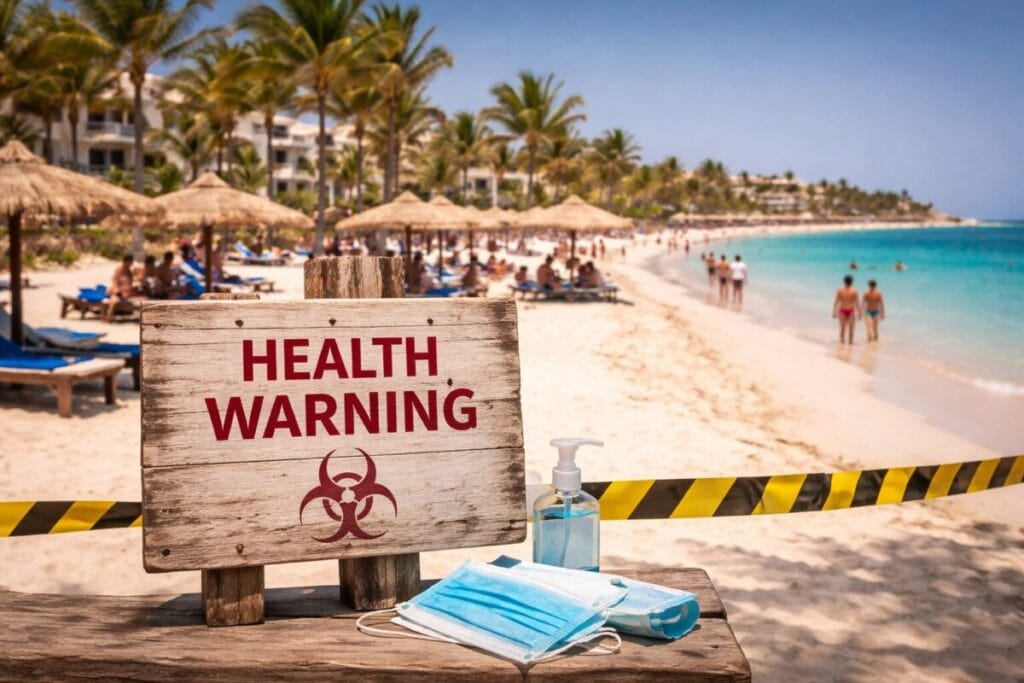
Travelers planning holidays to Cape Verde are being urged to stay cautious after a sharp rise in gastrointestinal illnesses among visitors. Health authorities have issued a strong advisory following multiple cases of shigella and salmonella infections linked to popular tourist islands.
Recent reports indicate a growing number of travelers experiencing severe stomach issues during or shortly after their trips. The warning comes at a time when winter sun seekers are preparing for upcoming holiday periods, which typically bring higher tourist numbers to the island nation.
Cape Verde remains a popular destination due to its warm climate, beaches, and resort-based tourism. However, the current health situation highlights the importance of preparation and awareness before traveling.
Popular Tourist Areas Under Scrutiny
Two major destinations, Sal Island and Boa Vista, have attracted attention following clusters of illness cases. Resorts and busy tourist zones appear to be linked to several reported infections.
Santa Maria, a well-known resort town on Sal Island, has emerged as a key location associated with many cases. The town offers large hotel complexes, all-inclusive packages, and buffet-style dining experiences that draw international tourists.
Health experts suggest that high visitor turnover, shared dining facilities, and large-scale food preparation may increase the risk of contamination if strict hygiene standards are not maintained consistently.
Tourism authorities continue to monitor the situation while encouraging hotels and service providers to strengthen sanitation practices.
Understanding the Health Risks for Travelers
Shigella and salmonella are bacterial infections that affect the digestive system. Symptoms often include diarrhoea, fever, nausea, vomiting, and stomach cramps. Most people recover within a few days, but complications can arise in vulnerable groups.
Older adults, young children, pregnant women, and individuals with weakened immune systems face higher risks. Severe dehydration and secondary infections may occur without proper treatment.
Travel medicine specialists emphasize that food and water safety remain critical factors in preventing these infections. Poor handling of food, contaminated water supplies, and improper storage temperatures can allow bacteria to spread quickly.
Tourists unfamiliar with local food safety practices may be more exposed if precautions are ignored.
Why Hygiene Awareness Matters More Now
The recent rise in stomach illnesses has sparked renewed focus on hygiene standards within tourist environments. Buffet meals, shared utensils, and improperly washed produce can increase exposure risks.
Health officials recommend choosing freshly cooked meals rather than food left sitting for long periods. Visitors should pay attention to cleanliness at restaurants and avoid establishments that appear overcrowded or poorly maintained.
Simple preventive steps can significantly reduce the chances of illness. Awareness and personal responsibility play an important role in maintaining health during travel.
Essential Travel Safety Tips for Visitors
Travelers heading to Cape Verde should follow practical health precautions:
- Eat food that is freshly prepared and served hot.
- Drink bottled or properly boiled water only.
- Avoid ice in drinks unless the source is confirmed safe.
- Peel fruits yourself and avoid raw salads if unsure about washing practices.
- Wash hands frequently with soap or use alcohol-based sanitizers.
- Maintain hygiene before meals and after using shared facilities.
These steps may seem basic, but they remain highly effective against foodborne infections.
Travel insurance that includes medical coverage is also recommended. Access to healthcare services can vary between islands, and preparation ensures faster treatment if symptoms appear.
Infrastructure Challenges Add to Concerns
Cape Verde’s public health challenges have been influenced by recent environmental pressures. Severe weather events in recent years have strained water systems and sanitation infrastructure in certain areas.
Damage to water supplies can increase the risk of contamination if not repaired quickly. Local authorities continue to work on strengthening sanitation measures and restoring essential services to maintain safe conditions for residents and tourists.
Despite ongoing improvements, travelers should stay mindful of potential disruptions that may affect hygiene standards in some locations.
Tourism Industry Responds to Safety Concerns
Tour operators and hotel groups are facing increased scrutiny as authorities review hygiene practices across resorts. Some travelers have raised concerns regarding food safety and cleanliness, prompting investigations and industry discussions.
The situation has highlighted the growing importance of health safety standards in international tourism. Travelers now prioritize hygiene transparency when choosing destinations and accommodations.
Many resorts have begun reinforcing safety protocols, including stricter food handling procedures and enhanced cleaning measures.
Cape Verde Remains a Popular Destination
Despite the health alert, Cape Verde continues to attract visitors seeking sunshine, water sports, and relaxed island culture. Tourism remains a key economic driver, and local stakeholders aim to maintain visitor confidence while addressing health concerns.
Experts stress that travel does not need to be cancelled. Instead, informed decisions and sensible precautions allow tourists to enjoy their holidays while minimizing risk.
Staying updated on travel advisories, monitoring personal health, and practicing strong hygiene habits can make a significant difference.
Final Advice for Safe Travel
The recent health advisory serves as a reminder that even well-loved destinations require careful preparation. Travelers should research conditions before departure, pack essential hygiene supplies, and remain alert during their stay.
With proper awareness and preventive measures, visitors can still enjoy Cape Verde’s beaches and culture safely. Responsible travel habits help protect both tourists and local communities, ensuring a safer experience for everyone.
For more travel news like this, keep reading Global Travel Wire