The U.S. government shutdown has triggered widespread aviation disruptions, and the Caribbean tourism industry is among the hardest hit. The Federal Aviation Administration (FAA) has ordered airlines to reduce operations at 40 major U.S. airports, creating chaos across domestic and international routes. With thousands of travelers depending on these airports for connections to the Caribbean, the tourism sector in the region faces serious challenges as peak travel season begins.
FAA Orders Flight Reductions Across Key U.S. Airports
The FAA has implemented flight reductions to manage staffing shortages caused by the ongoing shutdown. Major U.S. airports, including Miami International, John F. Kennedy in New York, and Hartsfield-Jackson in Atlanta, are facing significant cuts. These hubs are crucial for Caribbean-bound passengers, serving as key gateways to destinations like Jamaica, the Bahamas, Barbados, and the Dominican Republic.
Miami is particularly vital, acting as the main link between the U.S. mainland and Caribbean islands. The reductions there have created a bottleneck effect, delaying both outbound and inbound flights. Travelers are reporting long waits, rerouted connections, and overcrowded terminals as airlines attempt to manage the reduced capacity.
The Shutdown’s Growing Impact on U.S. and Caribbean Flights
Although the FAA’s focus is on reducing domestic short-haul flights, the ripple effect is now reaching international routes. Many Caribbean flights rely on domestic feeder routes bringing travelers from across the United States. With fewer domestic options, passengers are missing connections or facing increased travel times.
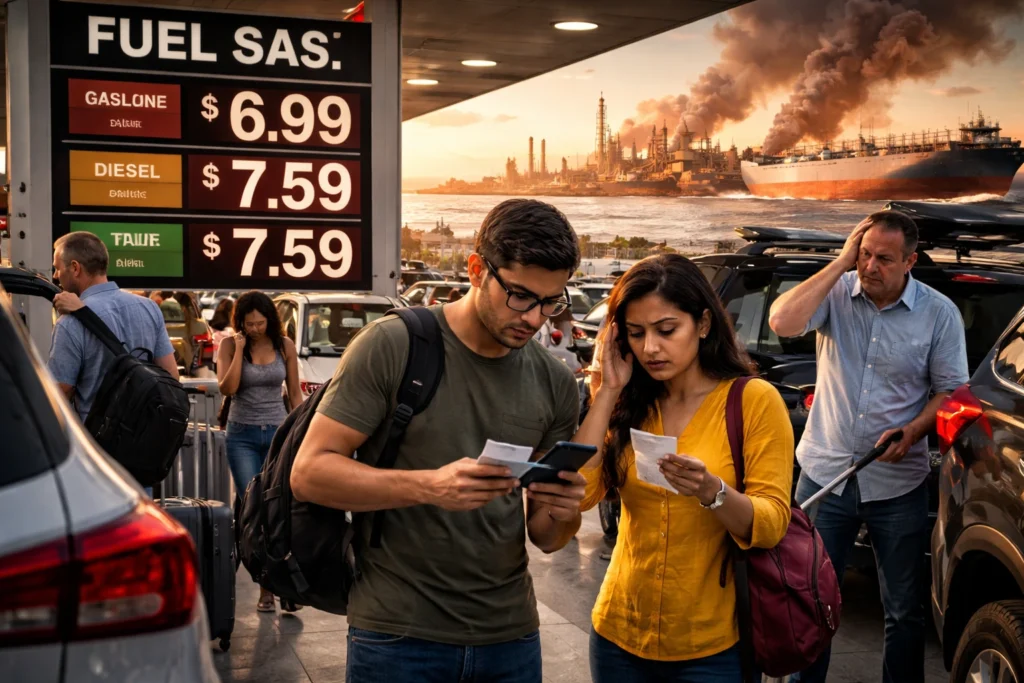
Airlines operating from California, Texas, and the Midwest are reducing frequencies on domestic routes to comply with FAA orders. This has made it harder for travelers to connect through major hubs like Miami, Atlanta, or New York to reach their Caribbean destinations. The shortage of available flights has also led to rising ticket prices and limited seating options.
Phased Flight Reductions Create Ongoing Challenges
The FAA’s phased reduction plan began with a 4 percent cut in domestic flights and will gradually increase to 10 percent over the coming weeks. This systematic reduction aims to prevent overloading air traffic control systems, which are operating with fewer personnel due to the shutdown.
However, as these phased cuts continue, the strain on the U.S. aviation system will likely intensify. Each wave of reductions adds further delays, causing cascading effects for Caribbean-bound passengers. Travelers flying from cities like Los Angeles, Chicago, or Houston now face multiple connections and extended layovers before reaching their destinations.
Caribbean Tourism Industry Braces for Fallout
The Caribbean relies heavily on U.S. tourists, who make up the majority of its annual visitor arrivals. The flight reductions threaten to slow this flow at a time when the region is still recovering from pandemic-related losses.
Travel experts warn that if disruptions persist, Caribbean nations could see a measurable decline in arrivals during the winter season. The shortage of flights, coupled with higher fares, may discourage travelers from booking trips to islands such as Saint Lucia, Antigua, and the Cayman Islands.
Hotels, resorts, and tour operators are already expressing concern over potential cancellations. The tourism-dependent economies of many Caribbean nations may face short-term revenue losses if the U.S. travel gridlock continues.
Airlines Respond with Adjusted Schedules
Airlines are working around the clock to adapt to the FAA’s directive. Several carriers have begun consolidating services, merging low-occupancy flights, and rerouting aircraft to maintain coverage on high-demand routes. Some airlines are prioritizing international flights to preserve their most profitable services, while reducing short-haul domestic routes that connect to Caribbean gateways.
Despite these efforts, travelers are urged to expect longer wait times and fewer available flights. Airlines recommend checking schedules frequently and signing up for real-time flight updates. Passengers are also encouraged to allow extra time for connections, particularly those involving major hubs like Miami or Atlanta.
The Passenger Experience: Long Waits and Frustration
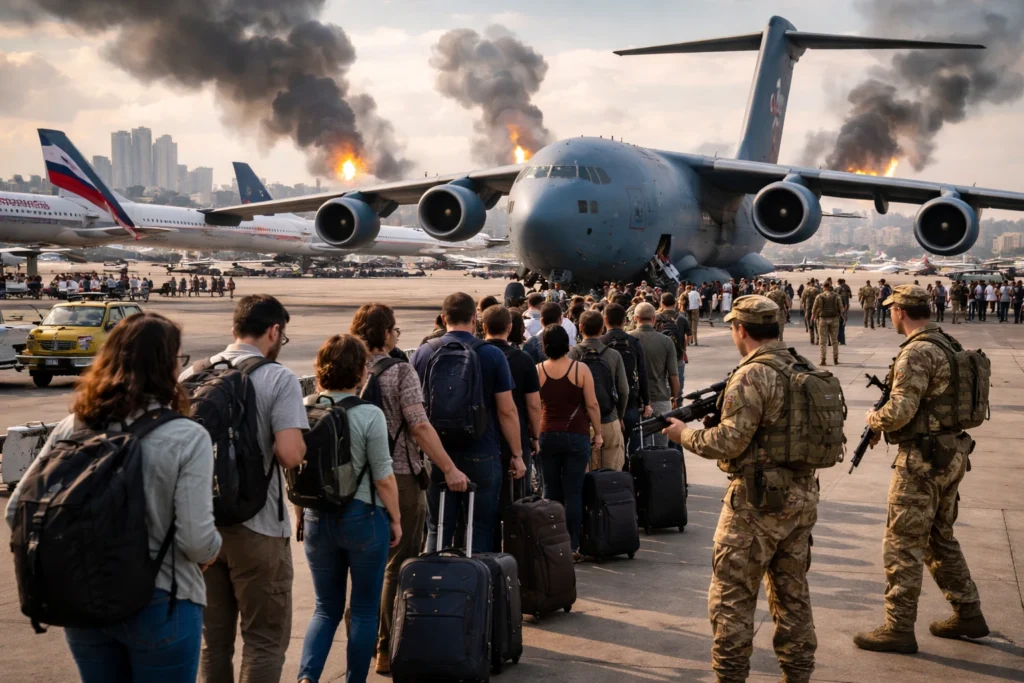
For passengers, the shutdown’s impact is felt most acutely at airport terminals. Many travelers have experienced unexpected overnight stays due to missed connections. Lines at check-in counters and rebooking desks have grown, and customer service teams are struggling to keep up with the volume of inquiries.
Families heading to Caribbean resorts and cruise departures have reported significant travel disruptions. Cruise passengers, in particular, risk missing embarkation times if connecting flights are delayed or canceled.
To mitigate stress, travel experts advise travelers to purchase flexible tickets, opt for direct flights whenever possible, and consider travel insurance that covers delays and cancellations.
Economic Implications for the Caribbean
The Caribbean’s economy depends on steady tourism inflows from the United States. With millions of American visitors each year, any disruption in U.S. air travel directly affects revenue across hotels, restaurants, tour companies, and airlines operating in the region.
Industry analysts predict that a prolonged U.S. government shutdown could reduce visitor arrivals by several percentage points this season. This would have a knock-on effect on employment, foreign exchange earnings, and tourism investments.
Caribbean governments and tourism boards are closely monitoring the situation. Some are in talks with airlines to ensure flight schedules remain stable and to explore alternative connections through Canadian and European gateways if necessary.
Long-Term Concerns and the Path Forward
If the U.S. government shutdown extends further, the FAA may need to expand its reduction program, deepening the crisis for Caribbean tourism. A prolonged disruption would not only affect the current travel season but could also shake traveler confidence in the reliability of U.S. connections.
To protect the sector, Caribbean tourism authorities are working to diversify source markets and enhance regional connectivity. Airlines operating within the Caribbean are considering adding more inter-island routes to compensate for lost U.S. connections.
However, the real solution lies in restoring normal FAA operations and ensuring full staffing of air traffic control systems. Until then, airlines, airports, and travelers will need to adapt to a slower, less predictable travel environment.
Conclusion
The U.S. government shutdown has triggered a wave of disruptions that now threaten Caribbean tourism. The FAA’s decision to cut flights at 40 major airports has slowed travel across key gateways such as Miami, Atlanta, and New York, impacting millions of travelers heading to the Caribbean.
With rising airfares, longer travel times, and mounting uncertainty, the region’s tourism sector faces one of its toughest tests since the pandemic. Unless the shutdown ends soon, Caribbean nations may face a temporary but painful decline in visitor arrivals.
Despite the turbulence, the resilience of the Caribbean tourism industry remains strong. As airlines and governments work to stabilize operations, the region continues to welcome travelers seeking sunshine, culture, and adventure — even amid the storm of global travel disruptions.
For more travel news like this, keep reading Global Travel Wire