









India has approved the Chambal Expressway, also known as the Atal Progressway. This project marks a major step in road tourism growth. The Ministry of Road Transport and Highways has cleared the plan. The expressway will connect the Delhi–Mumbai Expressway with the Bundelkhand Expressway. This link will reshape travel across northern and central India.
The government aims to improve mobility, safety, and regional tourism. The new corridor will support faster movement for travelers and commercial vehicles. As a result, the expressway will play a key role in India’s infrastructure expansion.
Strategic Route Enhances Regional Tourism
The Chambal Expressway will stretch nearly 420 kilometers. It will pass through Rajasthan, Madhya Pradesh, and Uttar Pradesh. This route will reduce travel time between major cities and towns. Travelers currently spend over ten hours on several stretches. The new expressway will cut that time almost by half.
Faster travel will encourage tourists to explore inland destinations. Heritage cities, wildlife regions, and cultural hubs will become easier to reach. Consequently, weekend and short-stay tourism will increase across these states.
Faster Access to Emerging Tourist Cities
Cities such as Kota, Morena, Bhind, and Etawah will gain major benefits. These locations offer forts, river landscapes, temples, and local markets. Improved access will attract domestic travelers first. Over time, international tourists will also explore these lesser-known destinations.
Tour operators will design new circuits around the expressway. Hotels, resorts, and homestays will see higher demand. Therefore, local tourism economies will grow steadily.
Major Boost for Road-Based Travel
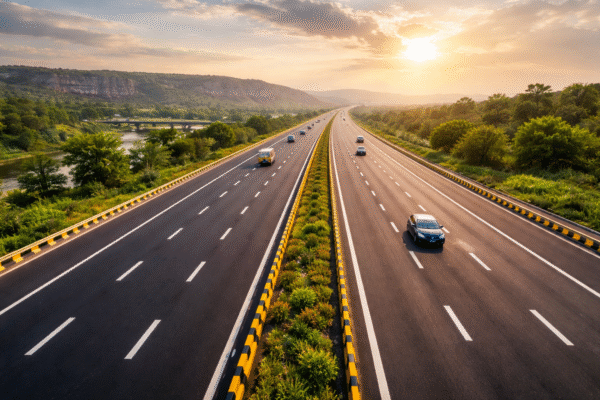
Road travel remains the most preferred option for Indian tourists. The Chambal Expressway will support this trend. Six wide lanes and controlled access will ensure smooth traffic flow. Travelers will enjoy safer and faster journeys.
The expressway will also reduce congestion on older highways. This change will improve the overall travel experience. Families, solo travelers, and tour buses will benefit equally.
Strong Economic Impact Along the Route
The expressway will strengthen regional economies. Faster transport will reduce logistics costs. Farmers and manufacturers will reach markets quickly. This improvement will raise income levels in nearby districts.
Tourism-linked businesses will also expand. Restaurants, fuel stations, and travel services will open along the corridor. As a result, thousands of direct and indirect jobs will emerge.
Designed for Safety and Efficiency
The National Highways Authority of India will oversee the project. Engineers have planned a six-lane access-controlled design. Limited entry and exit points will reduce accident risks. Modern signage and service roads will improve navigation.
The project budget stands near ₹14,000 crore. Authorities expect long-term returns through economic activity and tourism growth. The mixed development model will widen existing roads and add new sections.
Environment-Friendly Planning Approach
Environmental protection played a key role in planning. The original alignment raised concerns near forest zones and Chambal ravines. Authorities revised the route to avoid sensitive areas. This decision protected wildlife habitats and river ecosystems.
The project has received environmental clearances. Sustainable construction practices will guide development. Green measures will balance infrastructure growth with ecological safety.
Tourism Growth in Three Key States
Rajasthan, Madhya Pradesh, and Uttar Pradesh depend heavily on tourism. The Chambal Expressway will strengthen this sector. Tourists will reach national parks, heritage monuments, and religious sites faster.
Travel agencies will promote new road trip routes. Cultural festivals and local crafts will gain visibility. Consequently, rural tourism will also expand along the corridor.
Improved Connectivity Supports Interstate Travel
The expressway will link two major national corridors. This connection will simplify interstate travel. Long-distance tourists will experience seamless journeys. Freight movement will also improve across states.
Better connectivity will attract private investment. Hospitality chains and travel brands will enter emerging markets. This trend will modernize tourism infrastructure in smaller cities.
Long-Term Vision for India’s Road Tourism
The Chambal Expressway fits into India’s long-term transport vision. The government aims to build faster and safer road networks. These projects will support tourism, trade, and employment.
As road infrastructure improves, travel patterns will change. Tourists will explore beyond metro cities. This shift will distribute tourism benefits more evenly across regions.
A Game Changer for Indian Travelers
The Chambal Expressway will transform how people travel across central India. Reduced travel time will increase comfort and convenience. Enhanced safety will boost confidence among road travelers.
Tourism, logistics, and local economies will grow together. The expressway will serve as a model for future highway projects. It represents progress, connectivity, and opportunity.
Conclusion
The approval of the Chambal Expressway marks a turning point for Indian road tourism. The Atal Progressway will connect regions, cultures, and markets. It will shorten distances and open new travel possibilities.
This project goes beyond infrastructure. It supports tourism growth, regional development, and sustainable planning. The Chambal Expressway will shape the future of travel in India for decades to come.
For more travel news like this, keep reading Global Travel Wire