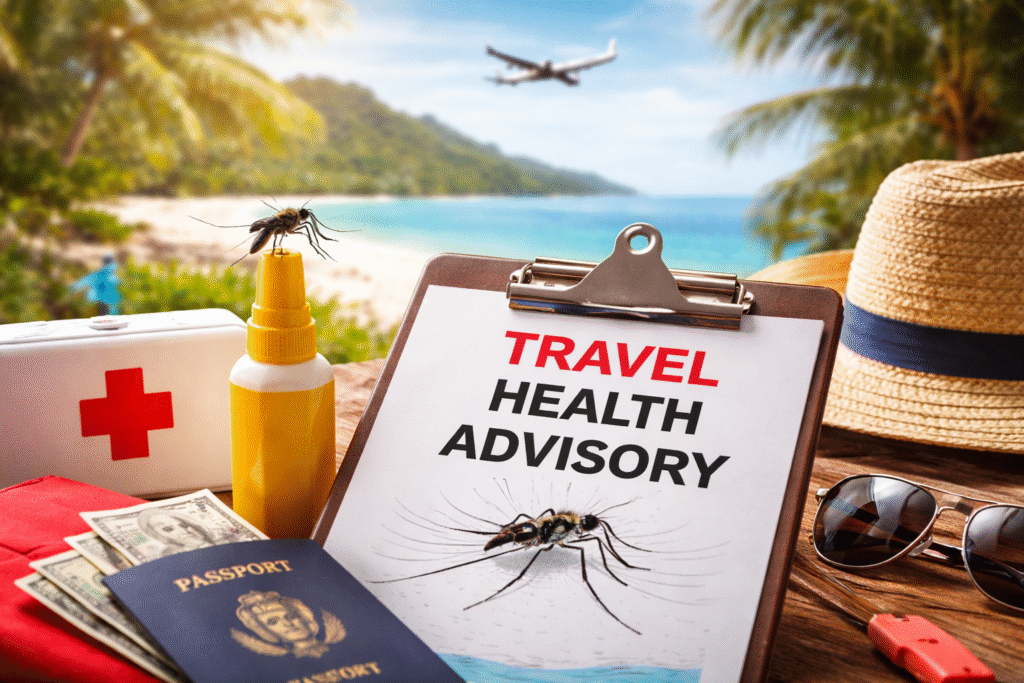
The global tourism and travel sector is on alert in 2025 as Chikungunya fever cases climb across several regions. The United States, Cuba, India, China, and the United Kingdom are reporting higher numbers of infections. Health authorities are urging travelers to take stronger precautions, especially when visiting outbreak-affected destinations.
The surge has triggered renewed travel health warnings. Public health agencies are focusing on prevention, early detection, and traveler awareness to limit further spread.
Florida Sees Spike in Travel-Linked Chikungunya Cases
Florida has recorded a sharp increase in Chikungunya cases this year. As of late December 2025, health officials confirmed around 250 infections statewide. Most cases involve travelers returning from international destinations.
Miami-Dade County leads with the highest case count. Broward and Hillsborough counties follow. Smaller clusters have appeared in several other counties.
Importantly, all reported cases remain travel-related. There is no evidence of local mosquito transmission within Florida. Health officials continue close surveillance to prevent local spread.
Cuba Emerges as a Key Source of Imported Infections
Cuba plays a central role in the current outbreak pattern. A large majority of Florida’s cases trace back to recent travel to Cuba. The island nation is facing one of its most intense mosquito-borne disease seasons in recent years.
The outbreak first expanded in western provinces. It later reached Havana and other urban centers. Heavy tourist movement and frequent flights have increased cross-border exposure risks.
Miami’s role as a major gateway between the US and Cuba has amplified imported cases. Tourists, visiting families, and business travelers remain the most affected groups.
Travel Health Alert Prompts Enhanced Precautions
In response to rising infections, US health authorities issued a Level 2 travel health alert for Cuba. This advisory calls for enhanced precautions rather than travel restrictions.
Travelers are urged to avoid mosquito bites at all times. Pregnant women, older adults, and young children face higher risks of severe illness. These groups are advised to carefully assess travel plans.
Symptoms often include fever, joint pain, muscle aches, headache, and rash. Joint pain can last for weeks or longer, affecting mobility and daily activities.
Vaccination Options Available for Travelers
Chikungunya is now considered vaccine-preventable for eligible travelers. In 2025, new vaccination tools became part of travel health planning.
One approved vaccine is available for people aged 12 and older. It uses non-live technology and suits most travelers. Health authorities recommend vaccination at least two weeks before travel to outbreak areas.
Another vaccine option lost approval earlier in the year due to safety concerns in older adults. Healthcare providers now rely on the approved option for most travelers.
Travel clinics continue to guide travelers on eligibility, timing, and safety.
India, China, and the UK Report Rising Imported Cases
Chikungunya is also affecting travelers returning to India, China, and the United Kingdom. These countries report increased imported infections linked to international travel.
India and China already manage mosquito-borne diseases regularly. However, increased global travel has raised exposure risks. Several cases involve travelers returning from the Caribbean.
The UK has seen isolated cases among international travelers. While local transmission remains unlikely, health agencies stress early diagnosis and awareness.
Air travel, tourism recovery, and seasonal mosquito activity contribute to the wider spread.
Practical Steps Travelers Should Take
Health officials emphasize prevention as the strongest defense. Travelers should take these steps before and during trips:
- Visit a travel health clinic well before departure
- Consider vaccination if eligible
- Use insect repellent regularly
- Wear long sleeves and full-length clothing
- Choose accommodations with screens or air conditioning
- Avoid outdoor exposure during peak mosquito hours
After travel, anyone experiencing symptoms should seek medical care quickly. Early diagnosis helps prevent complications and further spread.
Impact on Tourism and Travel Planning
The outbreak has influenced travel behavior in 2025. Tour operators and airlines are sharing health guidance with passengers. Travel insurers are also updating coverage policies.
Destinations affected by outbreaks are strengthening mosquito control programs. Airports and ports are increasing health messaging for arriving travelers.
Despite concerns, experts stress that informed travel remains possible. Awareness and preventive measures significantly reduce risk.
Outlook for the Months Ahead
The Chikungunya outbreak highlights how closely health and tourism are linked. With cases spanning multiple regions, global coordination remains essential.
Vaccination, mosquito control, and traveler education form the core response. Authorities continue to monitor trends and adjust advisories as needed.
For travelers, caution—not cancellation—is the key message. Staying informed and prepared allows tourism to continue safely in a changing health landscape.
For more travel news like this, keep reading Global Travel Wire