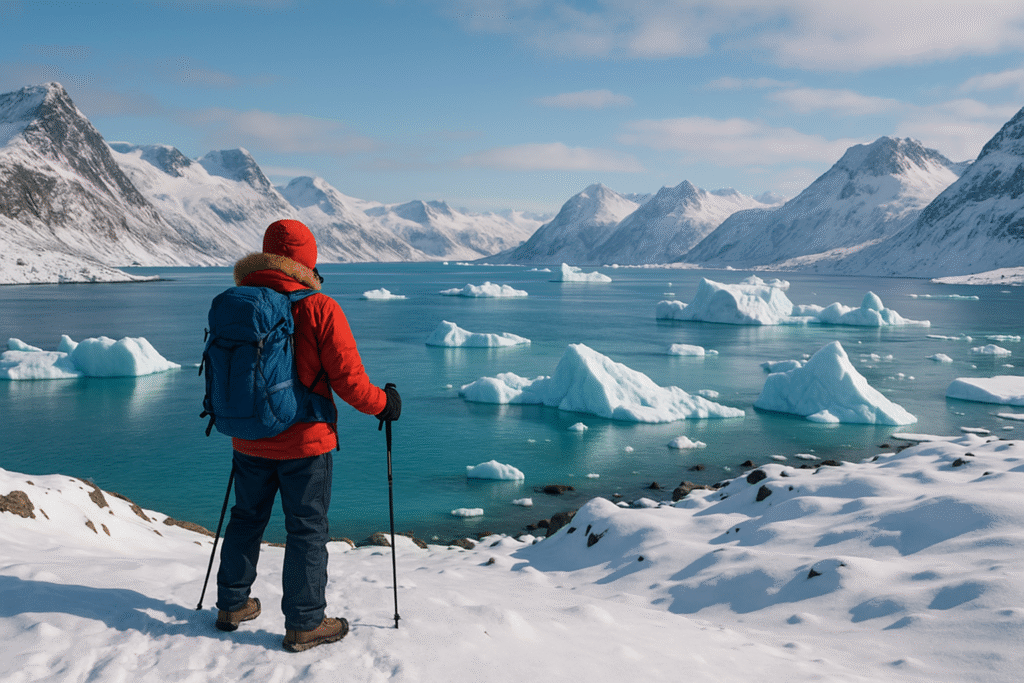
Adventure seekers are increasingly drawn to the Earth’s coldest places. Destinations once considered remote and inaccessible are now booming as travellers chase extreme landscapes, rare activities and cultural immersion. Research shows the global winter-adventure travel market is expected to grow at nearly 8 % annually through 2035.
Why So Many Are Heading to Frozen Landscapes
Cold-weather tourism appeals for several reasons:
- It offers landscapes and conditions unlike the typical beach or city holiday. Tourists seek glaciers, ice caves, snowy steppes and aurora borealis displays.
- These trips combine physical challenge, natural beauty and novelty. Dog-sledding, snowmobiling, ice-fishing and husky rides all feature.
- Many governments and tourism boards are investing to open up remote cold regions and offer infrastructure suited for adventure and comfort alike.
Spotlight on Key Destinations
Finland
Lapland and other Arctic regions of Finland are witnessing record interest. Foreign tourist numbers between December and February are expected to hit half a million this upcoming winter. The region is famed for experiences like glass igloos, husky sled rides, reindeer tours, aurora-watching and even a visit to the “official hometown of Santa Claus”.
The travel trend here is clear: winter is no longer a side season, it’s the main event.
Greenland
Greenland invites those seeking raw Arctic wilderness. With towering ice-covered fjords, glacial caves and coastal Inuit towns, it blends adventure with isolation. Kayaking among icebergs, whale-watching and winter hikes appeal to travellers looking for something beyond standard tours. Infrastructure improvements are helping to make access easier while retaining a remote feel.
Antarctica
Antarctica remains the ultimate cold destination. With winter temperatures well below -40 °C and vast untouched landscapes, it offers travellers the thrill of the extreme. Typical experiences include guided expeditions to penguin colonies, iceberg-filled seas and pristine ice shelves. This level of isolation and challenge makes it a hallmark of high-end adventure tourism.
Mongolia
Mongolia demonstrates how remote winter steppes are gaining appeal. With temperatures drifting below -40 °C, nomadic camps, hardy horses, frozen plains and cultural festivals, Mongolia offers a unique cultural-nature combo. Hot springs add an unexpected warmth in the deep cold. It’s travel aimed at authenticity and endurance rather than comfort.
Russia & Canada
In Siberia and other remote Russian territories, ultra-cold towns like Oymyakon push extreme-condition tourism. Meanwhile, in Canada’s northern zones you’ll find dog-sledding in Yukon, skating on frozen canals and aurora nights in Whitehorse. Both countries leverage natural extremes and cultural depth to attract winter travellers.
Economic, Cultural and Environmental Impacts
Tourism in these cold-weather regions brings multiple benefits:
- Local economies see growth in specialised services, seasonal jobs and infrastructure development.
- Travellers engage with indigenous communities, remote cultures and fragile ecosystems, gaining insight and appreciation.
- The rise of extreme cold-destinations is helping redefine “adventure travel” globally.
However, there are challenges too. Over-tourism, habitat disruption and cultural pressure threaten some regions. For example, Lapland’s fragile wilderness is experiencing growth that some argue encroaches on local Sámi traditions and natural landscapes.
The Role of Technology and Safety
Advances in gear, transport and real-time monitoring make cold-weather travel more accessible than before. Luxury lodges, guided excursions, winter-hardened vehicles and digital weather forecasting all contribute. These improvements reduce risk and broaden appeal beyond hardcore explorers to more general adventure-seekers.
What Comes Next?
The forecast is clear: the world’s frozen lands are becoming major travel players. As demand climbs, destinations from Greenland to Mongolia will invest more in infrastructure and experience development. Sustainability will become crucial—preserving the natural and cultural integrity of these places will define long-term success.
Conclusion
Travelling to the world’s coldest places is no longer niche. It has become a booming sector of tourism that delivers adventure, cultural depth and nature in its most unfiltered state. Whether you’re gliding through Finland’s snow, kayaking past Greenland’s icebergs or trekking in Antarctica’s pristine emptiness, you’re stepping into a journey that challenges you, inspires you and changes the way you view the planet. Cold-weather tourism, once fringe, is now front-and-centre.
For more travel news like this, keep reading Global Travel Wire