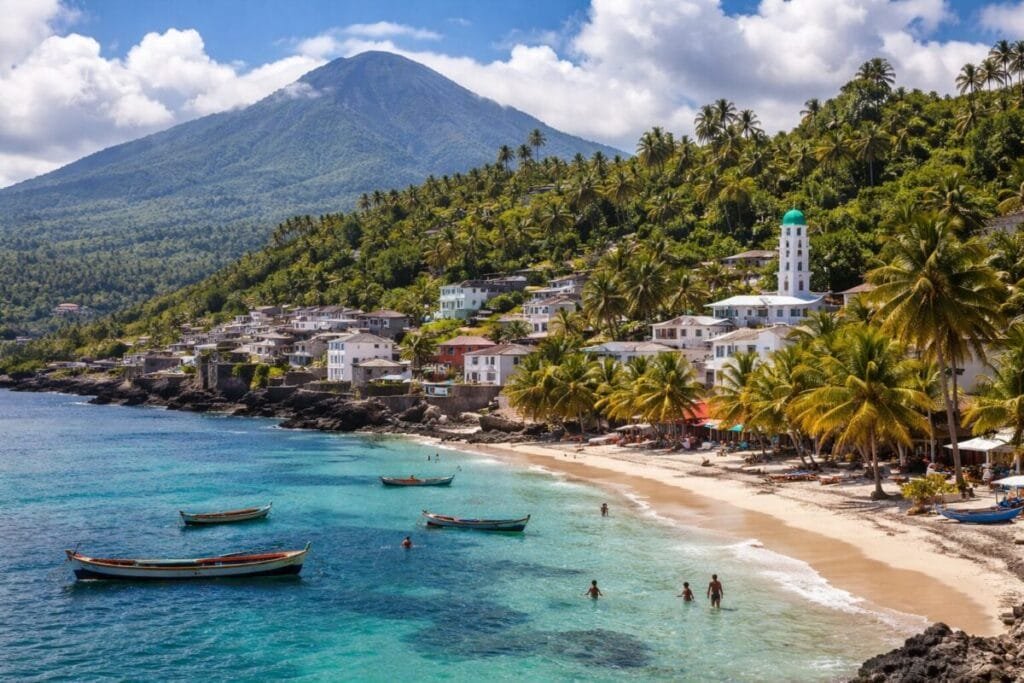
Comoros has entered the spotlight again after the U.S. government issued an updated Level 2 travel advisory. The small Indian Ocean nation is known for lush nature, rich culture, and secluded beaches, yet visitors now face increased health and safety risks. Travelers are urged to stay alert, plan ahead, and understand the limitations they may encounter during their trip.
Advisory Highlights
The U.S. State Department updated the advisory on January 12, 2026. The Level 2 classification signals a need for heightened caution, though the country is not considered an extreme-risk destination. Authorities stress that tourists should remain vigilant and avoid risky situations, particularly in busy markets, coastal areas, and urban centers.
A major addition to the advisory includes a health warning. Medical services in Comoros have limited capacity, especially outside the capital. Rural clinics often lack specialized staff, equipment, or emergency care. In the event of a serious medical issue, evacuation to a nearby country may be the only viable option. Travelers with preexisting health conditions are encouraged to evaluate their personal risks before departure.
Crime and Security Conditions
Petty crime remains common. Thefts, pickpocketing, and bag snatching can occur in public spaces such as markets, beaches, and transportation hubs. Small watercraft are also vulnerable to maritime theft and piracy, especially around remote islands and at night. Tourists are advised to avoid sailing in isolated waters and to secure valuables onboard.
Protests and civil unrest occasionally erupt, often without warning. Most demonstrations occur in Moroni, where political tensions sometimes escalate. While not frequent, past protests have involved vandalism and clashes with security forces. Tourists are urged to avoid crowds and stay updated through local information sources.
Lack of Consular Support
Another key concern for American tourists is the absence of a U.S. diplomatic presence within Comoros. The nearest U.S. Embassy is located in Madagascar, making support more difficult during emergencies. Visitors should keep emergency contact numbers on hand and register their trip with consular services before departure.
Other foreign embassies also maintain limited staff. This makes travel insurance with medical evacuation coverage highly recommended. Comprehensive policies can significantly reduce financial and logistical stress in the event of an incident.
Breathtaking Scenery and Natural Wonders
Despite these challenges, Comoros continues to draw adventurous travelers. The archipelago comprises Grande Comore, Anjouan, and Mohéli, each shaped by volcanic activity and tropical climate. Beaches remain uncrowded, with coral reefs, lagoons, and rainforests offering pristine environments for diving, hiking, and wildlife encounters.
The country’s nickname, “Perfumed Isles,” reflects the cultivation of aromatic crops such as vanilla, cloves, and ylang-ylang. These exports support local livelihoods and contribute to the islands’ unique charm. Nature enthusiasts also travel to Mohéli Marine Park, one of the region’s important marine sanctuaries. It hosts sea turtles, manta rays, and seasonal whale migrations. Ecotourism programs continue to expand, though infrastructure remains limited compared to larger island destinations.
Local Laws and Cultural Expectations
Tourists are reminded that they must comply with Comorian laws. Public intoxication is prohibited, and unauthorized photography of government buildings or military sites is illegal. Photography of residents should also be done with consent, as privacy and modesty are highly valued.
Comoros is predominantly Muslim, and conservative dress is expected in public and religious areas. Swimwear is acceptable on beaches or hotel properties but not in city streets or markets. Visitors benefit from learning basic cultural practices to enhance social interactions and avoid misunderstandings.
Same-sex relationships are criminalized in Comoros. LGBTQIA+ travelers should be aware of legal and social sensitivities and use discretion during their stay.
Visitor Safety Tips
Travel specialists recommend simple strategies to improve trip safety:
- Keep valuables out of sight
- Avoid walking alone at night
- Use secure bags with zipper closures
- Monitor local news for demonstrations
- Store important documents in hotel safes
- Choose licensed drivers or taxis
Cashless payments are still developing, so carrying small bills is common. However, money should be handled discreetly to prevent theft.
Tourism Outlook
Comoros continues to develop its tourism sector. Authorities aim to expand airport infrastructure, hospitality training, and conservation programs. International arrivals remain lower than neighboring islands like Seychelles or Mauritius, giving Comoros an appeal for travelers seeking untouched destinations. While growth remains steady, health systems and public services still lag behind international standards, which contributes to the travel advisory status.
For more travel news like this, keep reading Global Travel Wire