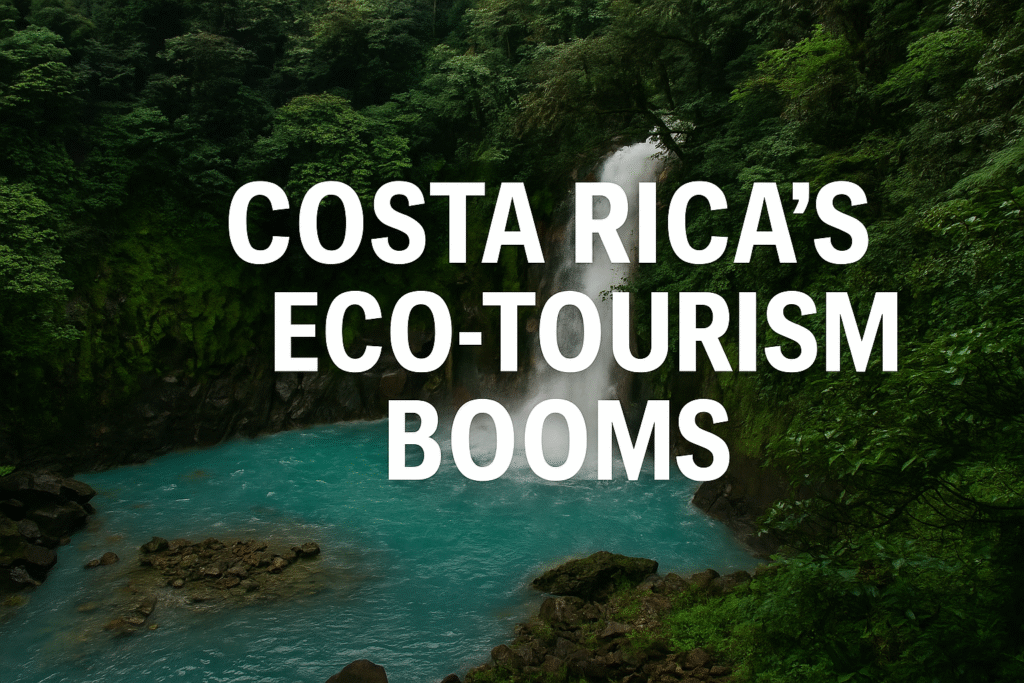
Costa Rica’s tourism sector is experiencing a remarkable surge, powered by visitors from the United States, Canada, and the United Kingdom, who continue to rank among the top contributors to the nation’s thriving eco-tourism economy. Known globally for its dedication to environmental protection and biodiversity, Costa Rica has long positioned itself as a model for sustainable tourism. Now, through its partnership with the Eden Project and the Costa Rica Tourism Board, the country is further solidifying its reputation as one of the world’s leading green destinations.
With its lush rainforests, pristine beaches, and renewable energy-driven infrastructure, Costa Rica offers travelers an immersive experience in nature while encouraging responsible tourism. The Eden Project collaboration is helping to scale these efforts globally, highlighting Costa Rica’s innovative approach to sustainability and community-based tourism.
U.S., Canadian, and UK Travelers Drive Tourism Growth
International arrivals to Costa Rica continue to climb, with North American and European visitors leading the trend. According to recent tourism data, travelers from the United States account for nearly 60% of total arrivals, representing over 1.6 million visitors annually. This strong presence reflects the enduring appeal of Costa Rica’s eco-tourism offerings among American tourists who value adventure, wellness, and sustainability.
Canadian visitors make up approximately 10% of total arrivals, bolstered by increased air connectivity and year-round flights from Toronto, Vancouver, and Calgary. Meanwhile, UK travelers represent a growing share of European arrivals, with British Airways offering direct services from London Gatwick to San José.
Despite minor fluctuations due to global travel conditions, demand from these markets remains robust, supported by growing interest in eco-lodges, wildlife conservation tours, and green-certified resorts. The appeal lies not only in Costa Rica’s natural beauty but also in its strong national commitment to carbon neutrality and conservation, values that resonate deeply with eco-conscious travelers.
Eden Project and Costa Rica Tourism Board Collaborate for a Greener Future
The Eden Project, a UK-based environmental organization known for its large-scale sustainability initiatives, has partnered with the Costa Rica Tourism Board (ICT) to expand the country’s eco-tourism footprint. This collaboration focuses on promoting reforestation, biodiversity conservation, and sustainable hospitality practices, particularly in regions such as the Nicoya Peninsula—one of the world’s Blue Zones known for longevity and balanced living.
Through this partnership, reforestation projects are being developed using agroforestry systems, including planting cacao and native tree species that restore soil health while benefiting local farmers. These initiatives allow visitors to engage directly with conservation work, creating a meaningful connection between travel and environmental stewardship.
The partnership also emphasizes education and awareness, encouraging travelers to make eco-friendly choices during their stay—whether through participating in tree-planting programs, choosing sustainable accommodations, or supporting local artisans.
Eco-Friendly Hospitality: A Model for Responsible Tourism
Costa Rica’s hospitality sector has embraced sustainability as a cornerstone of its identity. Many hotels, resorts, and lodges have achieved Certification for Sustainable Tourism (CST), a national standard recognizing responsible environmental and social practices. Major international brands such as Marriott, Hilton, and Four Seasons have integrated green operations across their Costa Rican properties, from renewable energy usage to waste reduction and local sourcing.
At the same time, a new generation of eco-lodges and boutique hotels—such as those in Monteverde, Manuel Antonio, and Tortuguero—offer guests an authentic experience that balances comfort with environmental care. Travelers can stay in treehouses, solar-powered cabins, or rainforest retreats that operate with minimal ecological footprint while supporting surrounding communities.
Restaurants and cafés have also joined the movement, emphasizing organic, locally sourced cuisine that supports Costa Rican farmers. The result is a tourism ecosystem where every component—from accommodation to dining—contributes to a more sustainable future.
Improved Air Connectivity Fuels Sustainable Travel
Airlines have played a key role in expanding access to Costa Rica’s eco-tourism destinations. Major U.S. carriers like American Airlines, Delta, and United now offer multiple daily flights to San José (SJO) and Liberia (LIR), the country’s two main international airports.
Canadian airlines including Air Canada and WestJet provide non-stop connections from Toronto, Calgary, and Vancouver, ensuring easy access for North American travelers seeking tropical escapes. From Europe, British Airways, Air France, and Lufthansa maintain seasonal and year-round routes to Costa Rica, linking it directly to key tourism markets.
This improved air connectivity not only benefits tourists but also supports local economic development by increasing job opportunities and strengthening the global perception of Costa Rica as a premium sustainable destination.
Economic and Community Impact
Beyond environmental preservation, Costa Rica’s eco-tourism boom delivers significant economic and social benefits. Tourism now represents one of the country’s largest sources of foreign income, contributing to rural development and community empowerment.
Local entrepreneurs, artisans, and guides benefit from a steady stream of visitors seeking authentic cultural experiences—whether it’s a coffee plantation tour, a visit to an indigenous Bribri community, or a guided rainforest hike. The tourism model emphasizes inclusive growth, ensuring that communities directly benefit from conservation and hospitality initiatives.
Eden Project’s involvement adds international visibility, bringing more eco-conscious travelers who value sustainability and local collaboration. The partnership also helps strengthen Costa Rica’s long-term environmental goals, including its aim to become the world’s first carbon-neutral nation.
Travel Tips for Sustainable Visitors
For those planning a trip to Costa Rica, responsible travel practices can enhance both the visitor experience and the country’s environmental protection efforts:
- Choose Certified Eco-Lodges – Opt for accommodations with recognized sustainability certifications to minimize environmental impact.
- Respect Wildlife – Observe animals in their natural habitats without feeding or disturbing them.
- Support Local Businesses – Buy handmade crafts, dine at local eateries, and hire community-based tour guides.
- Reduce Waste – Bring reusable items such as water bottles and shopping bags to cut down on single-use plastics.
- Travel Light and Green – Use public transport, bicycles, or electric vehicles where possible.
By embracing these principles, travelers contribute to Costa Rica’s reputation as a model for eco-tourism and help preserve its natural heritage for future generations.
Conclusion
Costa Rica continues to redefine what it means to travel responsibly. With strong support from key tourism markets in the United States, Canada, and the UK, and through the strategic collaboration between the Eden Project and the Costa Rica Tourism Board, the nation is setting new global standards for sustainable tourism.
From the misty mountains of Monteverde to the beaches of Guanacaste and the reforested valleys of Nicoya, Costa Rica offers an unmatched combination of natural beauty, biodiversity, and conscious hospitality.
As global travelers become more eco-aware, Costa Rica stands ready to welcome them—not just as visitors, but as participants in a shared mission to protect the planet and promote eco-tourism as a force for good.
For more travel news like this, keep reading Global Travel Wire