Croatia enters 2026 with a bold shift in tourism strategy as the government reports a reduction of nearly 10,000 tourist beds across key coastal destinations. The change forms part of a long-term reform package aimed at improving sustainability, protecting housing access for residents, and enhancing overall quality of life in the country’s most visited regions. The plan aligns with wider European tourism trends that emphasize responsible growth, local integration, and greener visitor models.
A Strategic Move Toward Sustainability
Croatia’s Ministry of Tourism and Sport confirmed that the reduction in tourist beds resulted from coordinated spatial and fiscal reforms designed to limit unregulated accommodation growth. The project repositions tourism as a driver of national development rather than a pressure point for local communities. Coastal cities such as Split, Dubrovnik, and Zadar have experienced strong tourism demand for more than a decade, and residents often express concern about crowding, rental shortages, and seasonal inflation.
The government now focuses on improving the capacity of existing tourism infrastructure rather than expanding short-term rental supply. Officials emphasize that Croatia’s natural and cultural assets create high value for visitors without requiring rapid increases in accommodation volume.
Shifting from Short-Term Rentals to Long-Term Housing
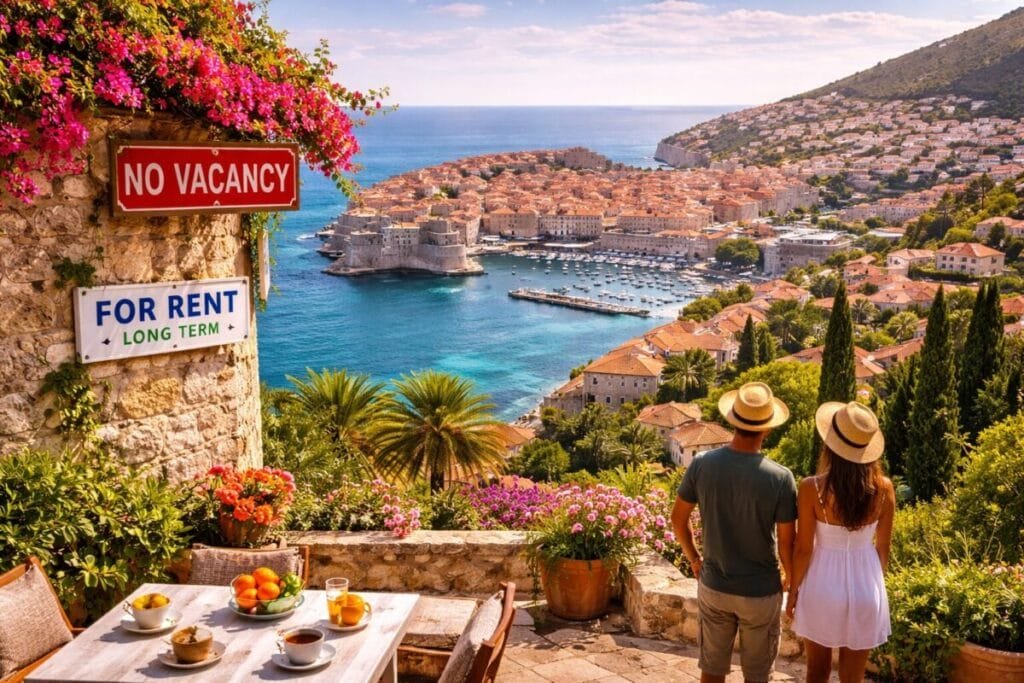
One of the most notable outcomes of the reforms is the return of residential housing to the long-term rental market. The tourism sector had encouraged property owners to shift toward short-term platforms over the past decade, which strained local housing supply in popular cities. The 2026 reforms helped reverse this pattern with tax incentives, regulatory adjustments, and improved clarity for property owners.
Tax data shows an increase in long-term rental registrations of roughly 14 percent compared to previous years. This shift benefits young residents, seasonal workers, and families seeking stable housing options in cities where tourism once dominated the property market. Croatia seeks a healthier balance where tourism remains profitable without undermining the living conditions of permanent residents.
A New Model for Tourism Growth
The government’s long-term goal involves a tourism model built on higher quality and lower resource stress. Croatia promotes cultural heritage, sports tourism, nature experiences, and gastronomy as pillars for sustainable growth. The strategy also aligns with European Union priorities that call for reduced overtourism and more equitable regional distribution of visitor spending.
Improving existing bed occupancy rather than expanding capacity supports better year-round economic performance. Croatia aims to increase average visitor spending rather than increase visitor volume. This approach reduces pressure on water supply, waste systems, and urban infrastructure while improving visitor satisfaction and local sentiment toward tourism.
Impact on Property Markets Along the Adriatic Coast
Tourism reforms also trigger changes in Croatia’s property market. Adriatic counties report a 30 percent drop in property sales as speculation linked to short-term rentals cools. Real estate analysts expect moderate price stabilization for older apartments and modest price normalization in specific coastal districts. The slowdown reduces volatility and supports long-term affordability for residents.
Property development firms are also adjusting. New construction projects now favor mixed-use designs or residential buildings rather than short-term lodging complexes. This pivot helps balance national housing needs and reduces dependence on tourist peaks for economic returns.
Local Governments Take Control of Rental Tax Policy
Municipalities now hold greater authority in determining flat-rate rental taxes for private landlords. The national government sets the framework and limits, but local councils determine final tax levels based on community needs. This localized approach allows regions with strong tourism saturation to regulate rental activity more effectively while protecting affordability during high-demand periods.
Local tax flexibility allows towns and cities to manage tourism at their own pace. Popular destinations can moderate growth while smaller inland municipalities can attract more visitors through favorable tax policy and new tourism investments.
Tourism Growth Outlook for 2025 and 2026
Tourism officials highlight that rental prices and profit margins remain the biggest risk to Croatia’s tourism competitiveness. If domestic costs rise too sharply, the visitor experience could suffer due to expensive lodging and inflated seasonal prices. The current reforms aim to prevent this scenario by maintaining a balanced environment for both tourists and locals.
Croatia also expects stronger year-round tourism demand in 2026 due to increased interest in sustainable travel, cultural immersion, and active outdoor tourism. National parks, cycling routes, wine regions, and UNESCO heritage zones continue to attract travelers who stay longer and spend more per visit. These forms of tourism integrate more naturally with local economies and preserve community character.
Positioning Croatia as a Sustainable Tourism Leader
Croatia’s reduction in tourist beds marks a rare instance where a destination reduces accommodation capacity for strategic reasons rather than market contraction. The reforms demonstrate a shift in Europe’s tourism mindset as destinations prioritize equilibrium over scale.
The government seeks to safeguard resident well-being, protect property markets, and build a tourism sector with long-term competitive advantages. If successful, Croatia could emerge as a model for other Mediterranean countries facing overtourism pressures and housing instability.
For more travel news like this, keep reading Global Travel Wire