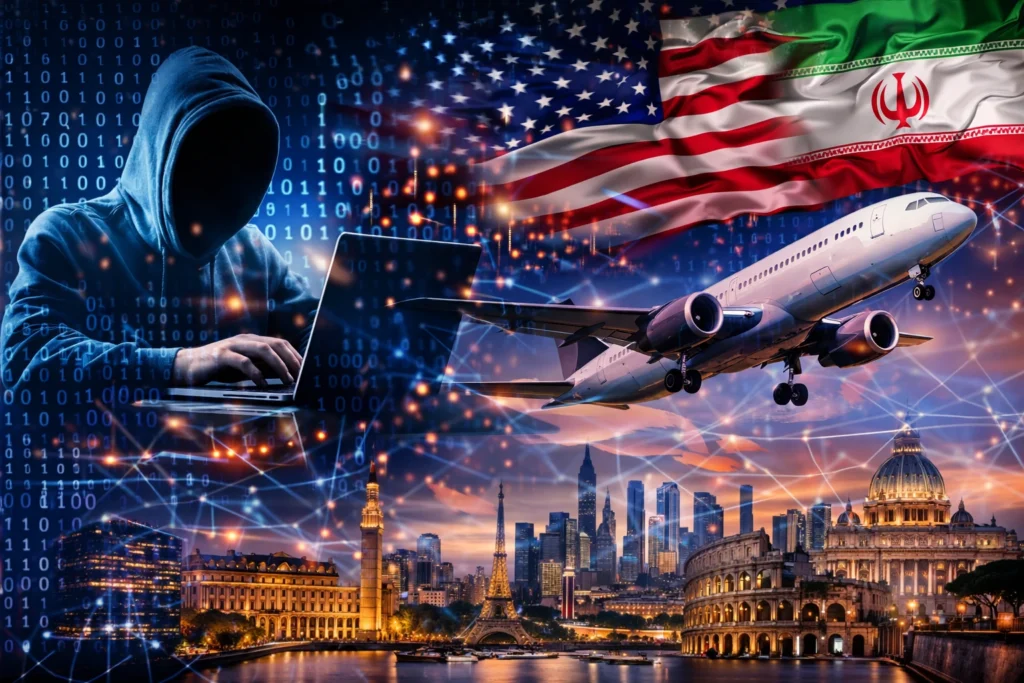
Rising geopolitical tensions now impact global travel and tourism. Cyber threats targeting major technology platforms create serious risks for the industry.
Key digital systems that support bookings, payments, and communication now face potential disruption. This situation highlights the fragile nature of modern travel infrastructure.
Technology Powers Every Aspect of Modern Travel
Travel today depends heavily on digital platforms. Airlines, hotels, and agencies rely on technology for daily operations.
From booking flights to navigating cities, travelers use digital tools constantly. These systems ensure smooth and efficient journeys.
However, cyber threats now challenge this ecosystem. Disruptions could affect millions of travelers worldwide.
Navigation and Booking Platforms Face Major Risks
Navigation and booking systems play a central role in travel planning. Many travelers depend on real time updates and digital services.
A disruption in these platforms could halt bookings and delay travel plans. Travelers may struggle to find directions or access essential information.
Such failures would create confusion and delays across destinations. The impact would spread quickly across global networks.
Mobile Ecosystems Support Travel Convenience
Smartphones and mobile applications have become essential travel tools. Travelers store tickets, payment details, and travel documents digitally.
If these systems fail, access to critical information becomes difficult. Travelers could face challenges at airports, hotels, and transport hubs.
This dependency increases the urgency for strong cybersecurity measures. It also highlights vulnerabilities in digital travel systems.
Social Platforms Drive Travel Communication
Social platforms play a key role in modern tourism. Travelers use them to share experiences and gather recommendations.
They also rely on messaging services to stay connected during trips. Disruptions could affect communication and travel planning.
This would reduce access to real time updates and peer advice. It could also impact tourism marketing and destination visibility.
Cloud Infrastructure Supports Global Travel Operations
Cloud services form the backbone of travel operations worldwide. Airlines and hotels store critical data on these platforms.
Booking systems, schedules, and customer records depend on cloud technology. A cyberattack could shut down these systems instantly.
This would lead to cancellations, delays, and operational breakdowns. The consequences would affect both businesses and travelers.
Data and AI Systems Enable Efficient Travel
Advanced technologies improve travel experiences through automation and analytics. AI systems help manage bookings and predict demand.
Data processing ensures smooth transactions and quick customer service. Any disruption could slow down or halt these services.
This would reduce efficiency across the travel ecosystem. It would also impact customer satisfaction and trust.
Infrastructure and Hardware Play a Critical Role
Physical technology infrastructure supports digital travel systems. Servers, networks, and devices ensure continuous operations.
A cyberattack targeting this infrastructure could cause widespread outages. Travel companies would struggle to maintain services.
This disruption would affect airports, hotels, and transportation networks. It would also delay recovery efforts across regions.
Transportation Systems Face Indirect Risks
Transportation systems also depend on technology. Airlines and transport providers rely on digital systems for safety and scheduling.
Disruptions could affect flight operations and passenger management. Travelers may experience delays and uncertainty.
This situation highlights the interconnected nature of travel infrastructure. A single disruption can impact multiple sectors.
Financial Systems Support Travel Transactions
Financial platforms enable seamless travel payments. Travelers rely on digital transactions for bookings and purchases.
A cyberattack could block payment systems and delay transactions. This would create challenges for both travelers and businesses.
The travel industry depends on reliable financial networks. Any disruption could lead to significant economic losses.
Tourism Industry Faces Growing Cybersecurity Challenges
The tourism sector must adapt to evolving risks. Cybersecurity now plays a critical role in protecting travel systems.
Governments and companies must strengthen defenses and improve resilience. They must also invest in secure technologies and infrastructure.
Proactive measures will help reduce vulnerabilities and maintain trust. This approach will ensure stability in global travel operations.
A Critical Moment for Global Travel Resilience
The current situation marks a turning point for the travel industry. Digital systems have transformed how people travel worldwide.
However, this reliance also creates new risks. Strong cybersecurity strategies will define the future of tourism.
The industry must act quickly to protect its systems. A secure and resilient network will support continued growth and stability.