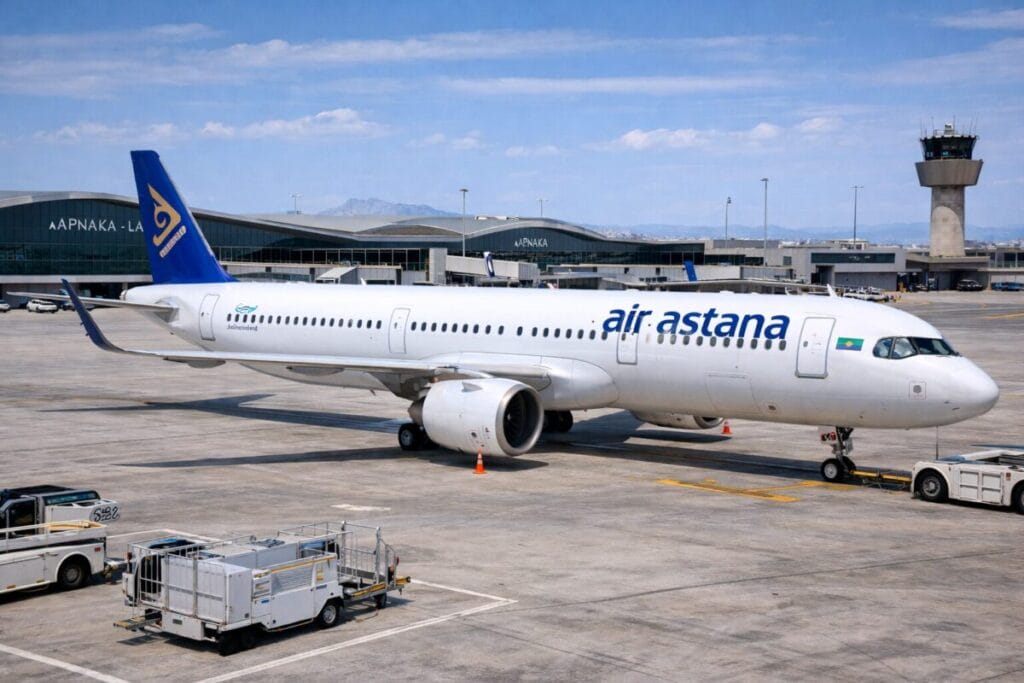
Cyprus plans to strengthen its tourism sector by launching direct flights to Kazakhstan starting in June 2026. The initiative marks the island’s first direct air connection with Central Asia. Tourism authorities view the move as a strategic step toward diversifying visitor markets beyond traditional European sources.
The new service will connect Larnaca with Astana and Almaty through regular weekly flights. These routes aim to attract travelers from a rapidly growing outbound travel market. Cyprus seeks to position itself as a preferred Mediterranean destination for Central Asian visitors.
Industry analysts consider this development an important milestone in Cyprus’ evolving tourism strategy. The island continues expanding partnerships with emerging markets to maintain long-term growth.
Direct Flights Strengthen Travel Access Between Regions
Air connectivity plays a vital role in tourism expansion. Direct routes reduce travel time and simplify travel planning, making destinations more appealing to international visitors. The new flights will operate several times each week, allowing flexible travel schedules.
Travelers from Kazakhstan will gain easier access to Cyprus’ beaches, historical sites, and cultural attractions. Meanwhile, Cypriot tourism stakeholders expect improved business exchanges and stronger economic ties.
The launch reflects broader aviation trends, where airlines explore underserved routes to meet rising travel demand. Enhanced connectivity encourages both leisure travel and corporate mobility.
Cyprus Adapts to Changing Tourism Landscape
Cyprus has experienced significant shifts in visitor patterns during recent years. Changes in geopolitical conditions affected traditional markets, prompting tourism officials to pursue new growth opportunities.
Diversification now forms a core part of the country’s tourism strategy. By targeting Central Asia and other emerging regions, Cyprus reduces dependence on specific markets. This approach supports resilience during global disruptions.
Tourism planners focus on developing relationships with countries showing rising outbound travel trends. Kazakhstan’s growing middle class and increasing international mobility align with these goals.
Kazakhstan Represents Emerging Tourism Potential
Kazakhstan holds the largest economy in Central Asia and continues experiencing economic development. Rising incomes and expanding aviation networks support outbound tourism growth.
Travelers from Kazakhstan increasingly seek Mediterranean destinations that combine culture, relaxation, and safety. Cyprus offers warm climate conditions, historical landmarks, and family-friendly resorts that appeal to this audience.
Direct flights may also encourage multi-generational travel, which remains popular among Central Asian visitors. Tourism authorities plan to tailor marketing strategies to highlight Cyprus’ diverse attractions.
The new route also supports cultural exchange between the two countries. Travel links create opportunities for educational programs, business partnerships, and collaborative tourism initiatives.
Expanding Beyond Europe Strengthens Tourism Resilience
Cyprus traditionally relied on European visitors as its primary tourism base. However, authorities now recognize the importance of attracting travelers from new regions.
Germany, Romania, Austria, and Israel remain important markets for Cyprus. At the same time, tourism officials pursue growth in Central Asia and the Middle East. This balanced strategy helps protect the industry against market fluctuations.
Saudi Arabia and other Gulf countries have already emerged as promising sources of visitors. The addition of Kazakhstan expands this geographic reach further east.
Diversification allows Cyprus to maintain stable visitor numbers while adapting to changing travel trends.
Cultural and Natural Attractions Appeal to Central Asian Travelers
Cyprus offers a blend of historical and leisure experiences that resonate with international tourists. Ancient archaeological sites, UNESCO-listed heritage locations, and vibrant coastal towns attract culturally curious visitors.
Beach tourism remains a major draw, with clear waters and extensive resort infrastructure. Outdoor activities such as hiking, diving, and sailing appeal to adventure-focused travelers.
Cypriot cuisine, influenced by Mediterranean and Middle Eastern traditions, adds another dimension to the visitor experience. Culinary tourism continues gaining popularity among global travelers.
Tourism authorities emphasize authentic experiences that showcase local culture and traditions. These initiatives help Cyprus stand out in a competitive Mediterranean market.
Economic Benefits Expected From New Route
Direct flights often stimulate local economies by increasing visitor spending. Hotels, restaurants, transportation providers, and tour operators benefit from higher tourist numbers.
The new Kazakhstan connection may encourage longer stays as travelers explore multiple regions of Cyprus. Extended visits generate greater economic impact compared to short-term tourism.
Local businesses also gain opportunities to build partnerships with Central Asian travel agencies and operators. Such collaborations support sustained growth beyond initial route launches.
Infrastructure improvements and marketing campaigns will likely accompany the new flights to maximize tourism benefits.
Aviation Expansion Supports Long-Term Tourism Goals
Cyprus continues investing in aviation partnerships to expand global connectivity. Strong air links enhance the island’s competitiveness as an international destination.
Tourism authorities aim to create a diversified visitor base that includes Europe, Asia, and the Middle East. Strategic air routes help achieve this vision by connecting Cyprus with new traveler demographics.
The partnership with Kazakhstan demonstrates a forward-looking approach that aligns with global tourism trends. Travelers increasingly seek new destinations and unique experiences, creating opportunities for emerging routes.
Future Outlook for Cyprus Tourism Growth
The launch of direct flights between Cyprus and Kazakhstan marks a significant step toward long-term tourism sustainability. Enhanced connectivity encourages cultural exchange, economic growth, and diversified visitor markets.
Cyprus continues positioning itself as a welcoming Mediterranean destination that blends history, relaxation, and modern hospitality. By embracing new markets, the island strengthens its ability to adapt to evolving travel patterns.
As Central Asian travel demand grows, Cyprus aims to capture early momentum and build lasting tourism partnerships. The new route signals confidence in future growth and highlights the island’s commitment to expanding its global reach.
For more travel news like this, keep reading Global Travel Wire