The National Weather Service (NWS) Portland office has issued a Beach Hazards Statement for the south-coast of Washington state, followed by a High Surf Advisory. These warnings apply to popular shoreline areas stretching from Long Beach to Cape Disappointment and beyond. Under these alerts, visitors and locals must remain alert and avoid unnecessary risks along the shore.
Why the Warnings? Waves, Currents and “Sneaker Waves”
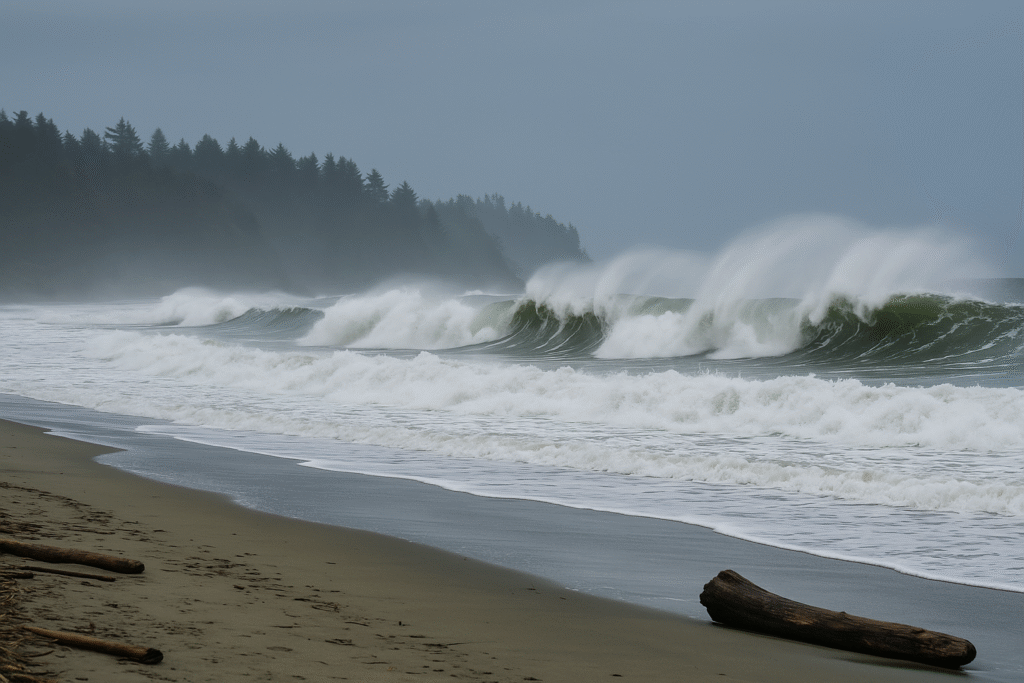
Large breaker waves, reaching up to 20 feet (about 6 m) with long periods around 16 seconds, are forecast to threaten the coast during the advisory window. These conditions are especially ripe for so-called “sneaker waves” — large, sudden surges that can arrive without warning and sweep far up the beach. The long swell period and elevated surf height combine to raise the danger level significantly.
What Areas Are Most Affected?
Key destinations that may feel the impact include:
- Long Beach – a well-known stretch for beach walks and water activities.
- Cape Disappointment State Park – dramatic coastal views but dangerous surf conditions during this event.
- Ocean Park and nearby shoreline areas too.
- Ilwaco and low-lying coastal zones where higher water run-up is expected.
- Leadbetter Point State Park and adjacent beaches.
- Beards Hollow – a scenic area that may face increased risk under current surf.
These beaches draw tourists for their natural beauty, coastal trails, fishing and beach-combing. But under current conditions, what makes them attractive also makes them hazardous.
Hazards to Watch For
- Unexpected waves and run-up: Big waves may surge far up the beach and sweep over rocks or jetties.
- Strong rip currents and surf zone dangers: Even for good swimmers, the risk of being pulled into dangerous currents is high.
- Drift logs and rolling debris: Large logs washed up or near the surf may be shifted by big waves, creating hidden hazards.
- Beach erosion and structural threat: Minor to moderate erosion may occur, affecting dunes, debris and even nearby structures.
- Low-lying shoreline flooding: With elevated surf and wave run-up, areas near sea level may face higher water levels than normal.
Key Safety Steps for Visitors
- Stay out of the water. Avoid swimming, wading or fishing in surf-zone areas until conditions improve.
- Stay well back from the water’s edge. Even if the beach looks calm, sneaker waves can take you by surprise.
- Never turn your back on the ocean. Rocks, jetties and drift logs are especially dangerous when large waves hit.
- Keep children and pets well away from the surf. They are more vulnerable to sudden wave action and shifting debris.
- Avoid logs and large driftwood. They may roll or shift violently under surf impact.
- Monitor local conditions. Stay updated via weather broadcasts, local advisories and emergency services for changes in the advisory status.
What Tourists Should Know Before Planning a Visit
If you were planning to visit the South Washington coast during the warning period, reconsider your itinerary. Activities such as beachfront strolls, clamming, rock-hopping or even beach-picnics near the shoreline carry elevated risk. Instead:
- Choose elevated walkways or viewing areas well away from the water.
- Delay activities until surf conditions subside and advisories lift.
- Dress in layers; strong surf often comes with wind, cooler air and spray.
- Pay attention to local signage and heed any closures or restricted zones.
Timing and Duration of the Advisory
The Beach Hazards Statement remains in effect through Thursday afternoon. The High Surf Advisory starts from Thursday at 5 p.m. Pacific Daylight Time and runs until Friday at 5 a.m. PDT. Conditions may change, so staying alert is essential.
Final Thoughts
The South Washington coast is stunning and draws visitors from far and wide. But during this high surf event, the spectacular coastal views come with real risk. Large surf, long-period swells, and unpredictable sneaker waves can transform a scenic beach outing into a dangerous situation. For now, the advice is clear: put beach adventures on hold, maintain a safe distance, and keep an eye on official updates. Your safety matters, and the ocean waits.
For more travel news like this, keep reading Global Travel Wire