Egypt has taken a decisive step to boost its global tourism appeal by maintaining its tourist visa fee at $25, rejecting a proposed increase to $45. This strategic move reinforces Egypt’s commitment to offering a competitive, affordable travel experience while supporting the resurgence of its vital tourism industry. With international arrivals on the rise and global travel regaining momentum, Egypt’s decision signals stability and growth at a crucial moment for the sector.
Tourism plays a foundational role in Egypt’s economy, and this policy decision reflects long-term thinking—ensuring the country remains accessible to a wide range of travelers while continuing to enhance its infrastructure, experiences, and services.
A Positive Signal to the Global Travel Market
Egypt’s travel industry is already benefiting from renewed global interest, and the decision to retain the current visa fee sends a powerful message to international tourists: Egypt is open, affordable, and ready to welcome the world. At a time when many destinations are adjusting fees in response to inflation and rising operational costs, Egypt’s decision demonstrates a clear intent to retain its value-driven appeal.
Industry stakeholders, including the Egyptian Travel Agents Association, have applauded the move. They believe the stable visa fee will help Egypt compete more effectively with other top destinations across Europe, the Middle East, and Asia. Keeping travel costs predictable encourages longer stays and broader travel within the country, benefitting not just popular attractions but also emerging regions and local communities.
Supporting Long-Term Tourism Growth
Egypt’s decision aligns closely with its broader tourism development goals. According to recent government data and industry forecasts, the country expects to welcome nearly 17.76 million visitors by the end of 2025, with numbers projected to rise to 18.56 million in 2026. These figures signal not only a return to pre-pandemic travel levels but also potential for sustained growth.
Maintaining accessible visa pricing is a key part of Egypt’s tourism strategy. It enhances the country’s reputation as a cost-effective destination while encouraging repeat visits and broader market penetration. Travelers from Europe, the Middle East, Asia, and North America are all expected to contribute to this growth.
The Rise of Cultural Tourism
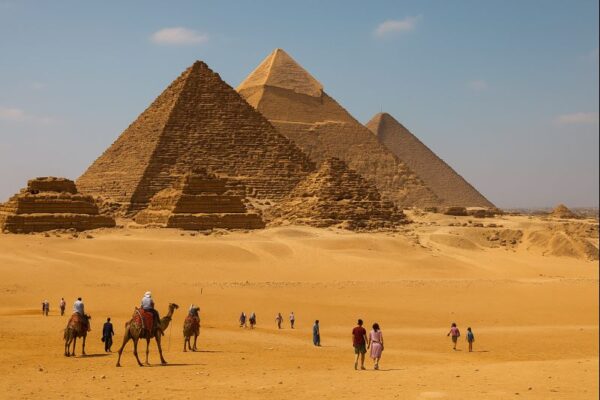
Cultural tourism is playing an increasingly central role in Egypt’s tourism revival. With ancient wonders like the Pyramids of Giza, the Sphinx, the temples of Luxor, and the Valley of the Kings, Egypt remains one of the most iconic cultural destinations in the world. But what is set to elevate the country even further is the much-anticipated Grand Egyptian Museum.
Scheduled to open in full in 2025, the Grand Egyptian Museum—located near the Giza Plateau—is expected to draw up to five million visitors annually. Housing the world’s largest collection of ancient Egyptian artifacts, including the full treasure set of Tutankhamun, the museum will be a global cultural beacon. Its opening will mark a historic moment not only for Egypt but for the global museum and heritage sector.
The decision to keep visa fees stable in this period of transformation ensures that Egypt remains an attractive destination during the launch of such a monumental project. For many travelers, this combination of affordability and world-class cultural offerings will be an irresistible draw.
Boosting Local Economies and Job Creation
Tourism’s impact in Egypt extends far beyond major attractions. With more visitors choosing to explore beyond Cairo, Alexandria, and Luxor, regional communities are seeing increased economic activity. Stable visa fees can help encourage this trend by making longer, more immersive stays financially feasible.
The hospitality sector—including hotels, restaurants, tour operators, and transportation services—is poised to benefit from increased tourism flows. Moreover, small businesses and artisan communities across the country stand to gain from rising demand for locally made crafts, cultural experiences, and guided excursions.
Increased tourist spending helps fuel job creation in both urban and rural areas, providing a vital economic boost as the global travel industry continues its recovery.
Enhancing Accessibility and Infrastructure
Alongside stable visa policies, Egypt is investing heavily in modernizing its tourism infrastructure. Airport upgrades, improved road connectivity, and streamlined visitor services are all part of a broader initiative to enhance the travel experience. These improvements are crucial for supporting increased tourist volumes and ensuring a seamless experience for both first-time and repeat visitors.
The government is also focusing on digital transformation in the tourism sector. Online visa applications, multilingual support tools, and tourism-focused apps are making it easier for international guests to plan and navigate their trips independently.
Positioning Egypt in a Growing Global Tourism Market
Globally, tourism is rebounding faster than expected. In 2024, international tourist arrivals hit 1.47 billion, representing a 12.5% year-over-year increase. Revenues exceeded $1.73 trillion, surpassing pre-pandemic levels. Egypt is well-positioned to take advantage of this upswing, particularly in the cultural tourism space, where it holds a unique competitive advantage.
Tourism also supports broader development goals in Egypt, contributing significantly to GDP and foreign exchange earnings. It promotes cultural preservation, environmental awareness, and international collaboration—all essential pillars of a sustainable tourism strategy.
Conclusion: A Strategic Step Toward a Bright Tourism Future
By choosing to maintain its tourist visa fee at $25, Egypt has sent a clear message to the global travel community: the country is committed to affordability, accessibility, and long-term growth. This decision is more than just a pricing strategy—it is part of a comprehensive vision to elevate Egypt as a leading global destination.
With the opening of the Grand Egyptian Museum, continued investments in infrastructure, and a stable tourism policy environment, Egypt is poised to thrive in 2025 and beyond. The combination of timeless heritage and modern convenience ensures that Egypt will continue to captivate the hearts and minds of travelers from around the world.
For more travel news like this, keep reading Global Travel Wire