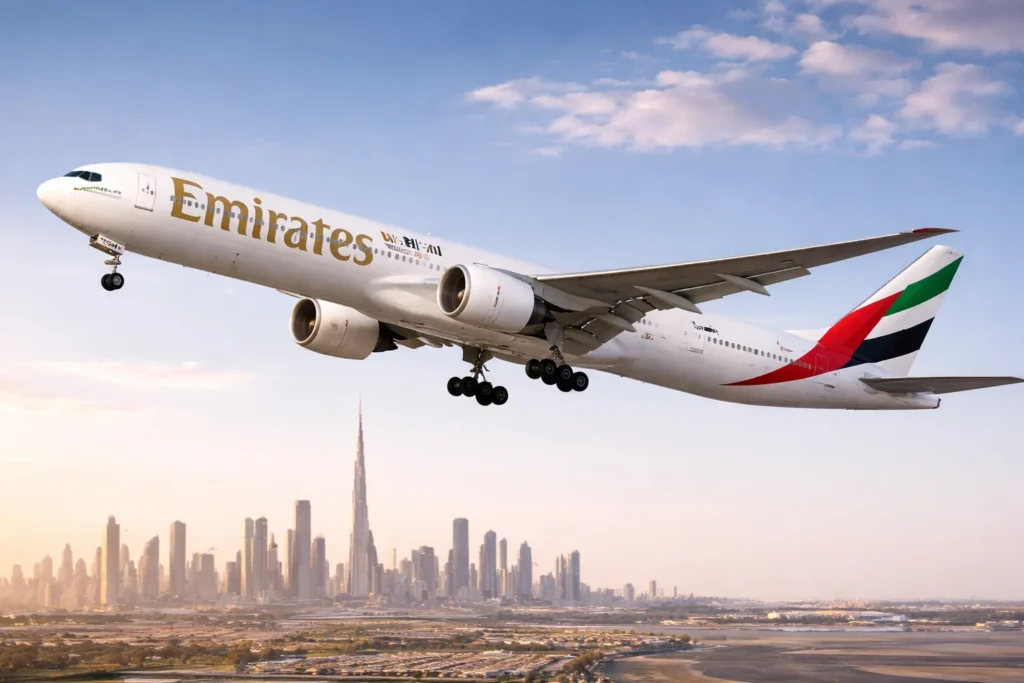
Emirates has announced a significant transformation of its Airbus A380 fleet as part of a broader long-haul strategy overhaul. The airline plans to retire its high-density two-class configuration and replace it with a redesigned three-class cabin layout. This move reflects evolving passenger expectations and changing industry trends.
The current two-class version is one of the highest-capacity passenger aircraft operating today. Each aircraft accommodates up to 615 passengers, with a heavy focus on economy seating. However, by November 2026, Emirates intends to convert all 15 of these aircraft into a new three-class configuration with approximately 569 seats.
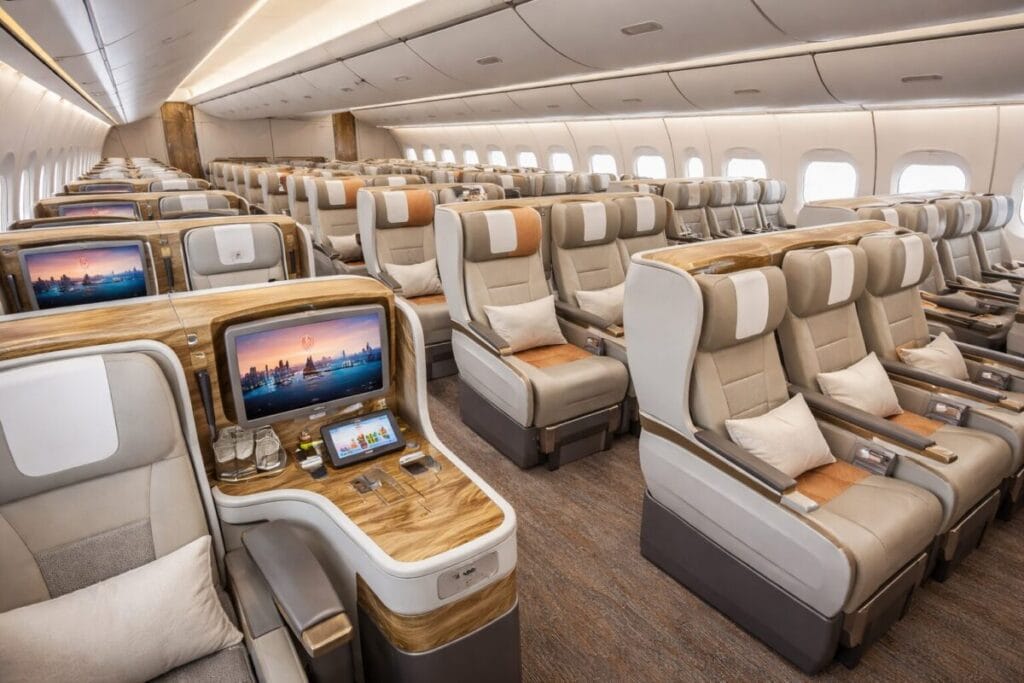
The redesigned cabin will include business class, premium economy, and economy sections. The aim is to improve passenger experience while balancing operational efficiency and revenue opportunities.
From Maximum Capacity to Balanced Comfort
For years, Emirates used the ultra-high-density layout on routes with strong tourist demand and heavy passenger volumes. Popular long-haul connections between Dubai and major destinations in Europe and North America often relied on this configuration.
The previous strategy focused on maximizing seat numbers. Economy class dominated the cabin, allowing Emirates to carry more travellers on busy routes. While this approach increased capacity, it limited options for passengers seeking mid-tier comfort.
Market trends have changed since the pandemic recovery period. Travellers now prioritize comfort, flexibility, and personalized experiences. Premium economy has emerged as one of the fastest-growing cabin segments in long-haul aviation. Airlines worldwide have invested in this category to attract customers who want more space without paying business-class fares.
Key Features of the New Three-Class Layout
The redesigned Airbus A380 cabin introduces several improvements aimed at enhancing passenger satisfaction.
Business Class Enhancements
Business class seats will offer improved privacy and comfort. Emirates plans to refine seating layouts to provide more personal space and upgraded features for long-haul journeys.
Introduction of Premium Economy
Premium economy will become the centerpiece of the new configuration. This cabin bridges the gap between business and economy. Passengers can expect wider seats, increased legroom, upgraded dining options, and enhanced onboard service.
This category appeals to travellers who want added comfort without the higher cost of business class. Corporate travellers, families, and leisure passengers increasingly choose this option for long flights.
Updated Economy Cabin
Economy class will remain a major component of the aircraft. However, the total number of economy seats will decrease compared to the previous layout. The reduction allows for better cabin balance and improved passenger experience.
Part of a Larger Fleet Retrofit Program
The A380 redesign forms part of one of the aviation industry’s largest retrofit programmes. Emirates has invested heavily in updating both Airbus A380 and Boeing 777 aircraft.
The upgrades include refreshed interiors, modern seating, enhanced inflight entertainment, and improved connectivity. The airline aims to standardize cabin products across its long-haul fleet. This consistency helps deliver a more reliable experience for passengers regardless of route or aircraft type.
The conversion process will continue through 2026. During this period, passengers may notice occasional aircraft swaps or scheduling adjustments as retrofitted planes gradually enter service.
Strategic Reasons Behind the Change
Several factors drive Emirates’ shift toward a three-class configuration.
Rising Demand for Premium Economy
Travel data indicates strong growth in mid-tier cabin demand. Many passengers seek better comfort but remain price conscious. Premium economy fills this gap effectively.
Improved Revenue Potential
High-density layouts maximize passenger numbers but limit opportunities to sell higher-value tickets. Adding premium economy allows airlines to increase revenue per flight without dramatically reducing capacity.
Fleet Consistency
Emirates wants a unified onboard experience across its network. Introducing similar cabin structures across multiple aircraft types simplifies marketing, pricing strategies, and passenger expectations.
What This Means for Travellers
Advantages
Passengers will benefit from more travel choices. Premium economy provides an attractive alternative for long-haul flights. The redesigned cabins also improve overall comfort levels, even for economy travellers, thanks to better spacing and layout adjustments.
Long-distance travellers may notice enhanced onboard services and more refined cabin environments. This shift aligns with post-pandemic travel trends, where experience and comfort influence booking decisions.
Possible Challenges
The reduced seat count may affect availability of ultra-low fares on certain routes. Budget travellers could face slightly higher prices during peak periods.
Additionally, the ongoing retrofit programme may cause temporary schedule changes. Travellers should monitor flight details closer to departure during the transition phase.
Impact on Global Aviation Trends
The retirement of the ultra-dense A380 configuration highlights broader changes in aviation. Airlines increasingly focus on passenger experience rather than sheer capacity.
The Airbus A380 remains a symbol of long-haul travel. However, its future depends on adaptability and innovation. Emirates continues to evolve the aircraft through interior redesign rather than expanding seat numbers.
This move also reflects a wider industry shift toward premium segmentation. Airlines now aim to attract diverse traveller groups by offering multiple cabin options tailored to different budgets and expectations.
Conclusion
Emirates’ decision to transform its Airbus A380 fleet marks a significant step in reshaping long-haul air travel. By replacing the 615-seat configuration with a new three-class layout, the airline balances passenger comfort with revenue strategy.
The introduction of premium economy highlights changing travel preferences and signals a broader evolution in global aviation. While the total number of seats will decrease, travellers will gain greater choice, improved comfort, and a more refined onboard experience.
As the retrofit programme progresses through 2026, Emirates positions itself to meet modern traveller expectations while maintaining its leadership in long-haul aviation innovation.
For more travel news like this, keep reading Global Travel Wire