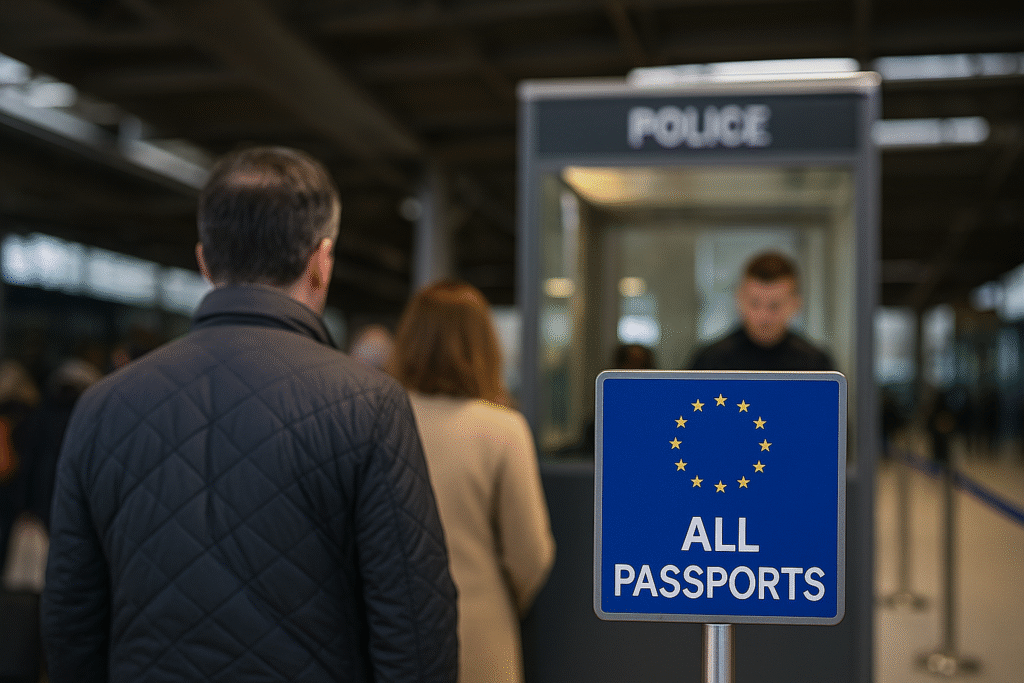
The European Union (EU) has announced sweeping changes to the short-stay visa regime for Russian citizens visiting the Schengen zone. Under the new framework, most Russian travelers will only receive single-entry visas, a sharp departure from previous multiple-entry permits. This move is part of a larger effort to tighten security checks and reduce potential threats such as espionage and sabotage.
Why the Shift Happened
The EU explains that evolving security threats—linked to Russia’s ongoing war in Ukraine—now require more stringent travel controls. The bloc says that granting multiple-entry visas to Russian nationals posed “increased risks” such as covert intelligence operations, disinformation campaigns and drone incursions on European soil. Accordingly, the visa regime has been transformed to reflect this new reality and to allow each trip to be assessed individually.
What the New Rules Mean
Here are the key changes:
- Russian applicants will no longer qualify for the standard multiple-entry Schengen visas. Each visit will now demand a fresh application and approval.
- Existing visas issued under older rules remain valid, but any new applications must follow the updated criteria.
- The changes affect all short-stay Schengen visas issued from now on.
Select Exceptions Still Apply
The EU has carved out limited exceptions for specific groups of Russian nationals:
- Political dissidents, human rights defenders, and independent journalists: These individuals may still receive multiple-entry visas when their “reliability and integrity” are assured.
- Close family members of Russians living in the EU or family of EU citizens: These travellers may obtain visas valid up to a year.
- Transport and logistics workers: Personnel such as drivers, pilots and railway staff may obtain visas valid for up to nine months.
Impact on Russian Travel to Europe
The immediate effect of the new rules is extra friction for Russian travellers. Each trip now demands a full visa process and additional scrutiny. Some key implications:
- Tourism and business travel from Russia into Europe is likely to drop further.
- Russian nationals who used to enjoy the convenience of repeat entries now face delays, higher costs and stricter documentation.
- European consulates and visa-centres will see heavier workloads with more frequent re-applications, potentially slowing down processing for all.
Broader Ramifications for the Travel Industry
European tourism markets, especially in popular destinations such as Italy, France and Spain, may feel the change. Russian visitors have historically contributed to high-season tourism flows in these countries. With tighter rules:
- Destinations will likely see fewer Russian leisure or business visitors.
- This may open room for tourists from other regions, though short-term disruption is likely.
- Travel agencies, tour operators and hospitality sectors in Europe must adapt to changing visitor profiles and possibly adjust supply and marketing strategies.
Strategic and Geopolitical Significance
The visa overhaul is more than a travel policy update—it reflects a broader strategic posture by the EU. By using visa regulation as a tool of foreign policy, Europe is responding to Russia’s actions with diplomatic and migration controls. Travel privileges are being reframed as contingent on behaviour and security, not as automatic rights.
What Russian Applicants Should Know
For Russian nationals planning European travel:
- Expect every trip into the Schengen area to require a new visa. Pre-approved “multi-entry” status is no longer standard.
- Account for longer lead-times, stricter document checks and potentially higher fees in the application process.
- If you fall into an exception (journalist, dissident, family of EU resident, transport worker), make sure to document your eligibility clearly.
- Stay updated: Member states still retain leeway to set national practices under the common EU framework.
Looking Ahead
The landscape of Europe travel has changed for Russian nationals. What once was smoother and more predictable is now tightly controlled and carefully managed. As geopolitical tensions remain high and security concerns evolve, further adjustments are possible. The travel industry, EU member states and Russian travellers alike must navigate this new reality accordingly.
In sum: The EU’s visa rule shift signals a major recalibration of travel policy for Russian nationals. It underscores how tourism, security and diplomacy can intersect in a single policy domain. Travellers, tourism professionals and policy watchers will need to stay alert to further developments as Europe redefines how access is granted and monitored.
For more travel news like this, keep reading Global Travel Wire