



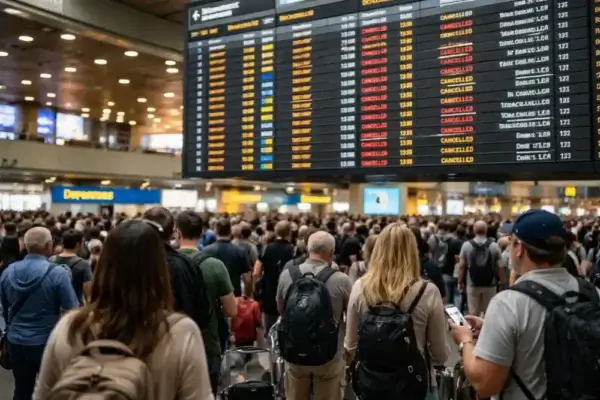




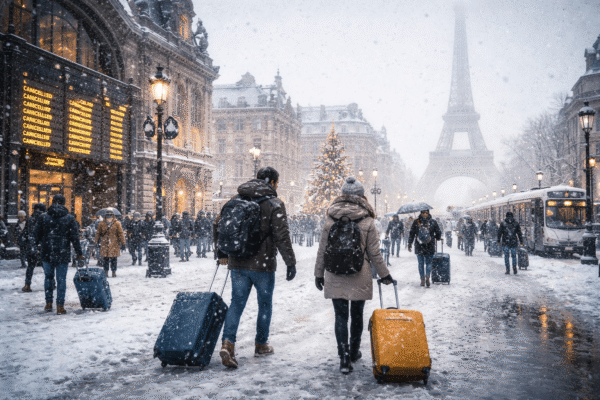
Europe’s winter tourism season has entered a challenging phase as an intense cold snap sweeps across the continent. Heavy snowfall, icy winds, and freezing temperatures have disrupted travel plans in several major destinations. Airports, rail networks, and road transport systems have struggled to operate normally, leaving thousands of travelers facing delays and cancellations.
Winter tourism plays a crucial role in Europe’s economy, especially in alpine regions and historic cities. This sudden weather shift has tested the preparedness and flexibility of the tourism sector during one of the busiest travel periods of the year.
Major Cities See Transport Delays and Reduced Visitor Movement
Several of Europe’s most visited cities, including Paris, London, Amsterdam, and Zurich, have experienced widespread travel disruption. Snow-covered runways and frozen tracks forced airports and railway operators to reduce services. Road closures and traffic restrictions further limited mobility within city centers.
Tourists arriving in these cities adjusted their plans quickly. Many avoided outdoor sightseeing and chose indoor attractions instead. While footfall dropped at open-air landmarks, museums, galleries, and performance venues reported steadier numbers as travelers sought warmth and shelter.
United Kingdom: Snow Warnings Reshape Travel Plans
In the United Kingdom, weather authorities issued snow and ice warnings across Scotland and northern England. Key highways closed temporarily, and rail services ran at reduced capacity. Urban destinations such as London and Edinburgh felt the impact, with quieter streets and fewer sightseeing tours.
Despite these conditions, visitors adapted well. Indoor cultural attractions, historic buildings, theaters, and cafés saw increased interest. Hotels also reported longer stays, as travelers postponed onward journeys until conditions improved. This shift helped soften losses for local businesses reliant on winter tourism.
France Responds Quickly to Minimize Tourism Impact
France faced similar challenges as snowfall disrupted air travel, particularly at major international airports. Hundreds of flights were canceled or rescheduled, prompting authorities to issue frequent travel advisories. Road-clearing operations focused on major routes connecting cities and tourist zones.
In Paris, reduced crowds changed the visitor experience. Tourists who continued their plans enjoyed easier access to landmarks, shorter queues, and calmer streets. Restaurants, museums, and shopping districts remained operational, allowing the city to maintain its appeal despite the weather.
Netherlands: Indoor Tourism Gains Momentum
The Netherlands saw widespread flight disruptions, with icy conditions affecting airport operations. Travelers heading to Amsterdam faced delays but found alternatives once inside the city. Indoor attractions became the main focus, with museums and cultural centers welcoming steady visitor numbers.
Canal-side cafés, historic neighborhoods, and covered markets offered a cozy winter atmosphere. This shift highlighted the city’s ability to adapt its tourism offerings during extreme weather and reinforced the value of year-round indoor experiences.
Alpine Regions Benefit from Fresh Snowfall
While cities struggled, alpine destinations experienced a different outcome. In Switzerland, Austria, and parts of France, fresh snowfall boosted winter sports tourism. Ski resorts welcomed strong interest from travelers eager for skiing, snowboarding, and alpine scenery.
Although access routes initially faced delays, improved conditions quickly restored transport links. Hotels and ski operators reported increased bookings as the snow enhanced the overall winter experience. For these regions, the cold snap delivered long-term benefits despite short-term travel hurdles.
Germany and Austria Face Event Disruptions
Not all destinations benefited equally. In Germany and Austria, severe weather forced temporary closures of outdoor winter markets and festivals. These events form a major part of seasonal tourism, and cancellations led to reduced visitor numbers in some towns.
Local authorities encouraged travelers to monitor weather updates and event schedules. Indoor alternatives, including traditional dining venues and cultural exhibitions, helped maintain tourist engagement during the closures.
Shift Toward Rail Travel and Sustainable Choices
The cold snap has also influenced travel behavior. Many tourists opted for train journeys over flights to avoid airport congestion. Rail travel offered scenic winter views and a more reliable option in some regions, despite occasional delays.
This trend aligns with Europe’s broader push toward sustainable tourism. Snow-covered landscapes viewed from train routes added to the travel experience, particularly in mountainous regions and rural corridors.
Tourism Industry Adapts With Flexible Offerings
Across Europe, tourism operators responded by promoting indoor activities, wellness tourism, culinary experiences, and cultural tours. These options provided visitors with alternatives to weather-dependent sightseeing and helped protect local economies.
The focus on adaptability has proven essential. Hotels adjusted booking policies, attractions extended indoor programming, and cities improved visitor communication during disruptions.
Outlook Remains Positive as Conditions Stabilize
Although the cold snap has disrupted travel across Europe, the tourism sector continues to show resilience. As weather conditions stabilize, destinations are expected to rebound quickly. The mix of winter sports, cultural attractions, and indoor experiences ensures that Europe remains attractive even during extreme conditions.
This period has highlighted the strength and flexibility of Europe’s tourism industry, proving that even severe winter weather cannot diminish the continent’s appeal to global travelers.
For more travel news like this, keep reading Global Travel Wire