
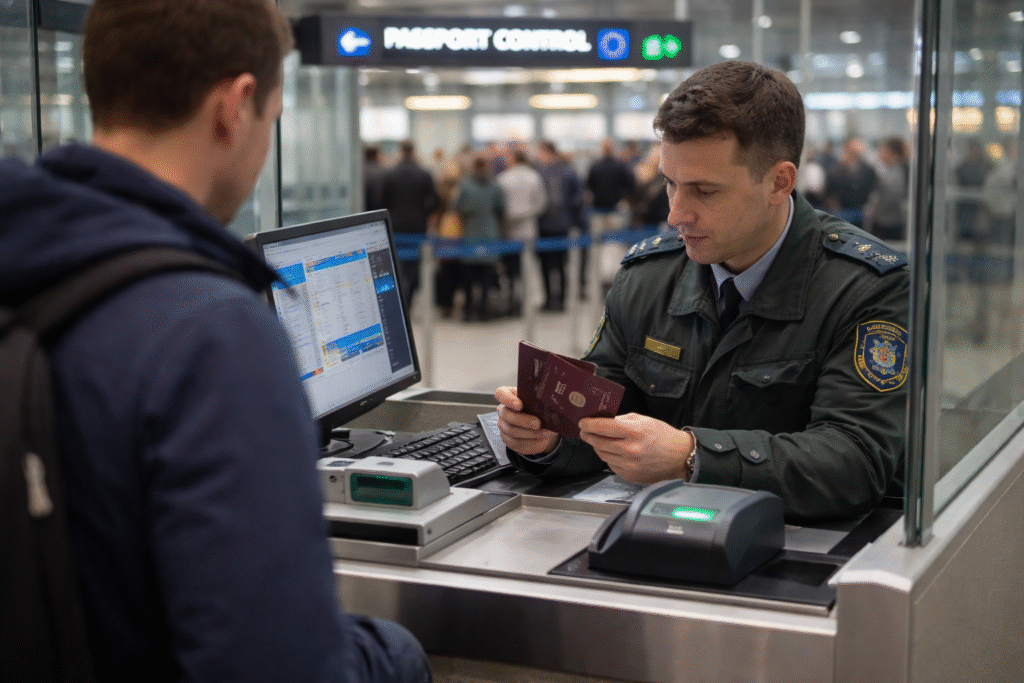
Europe is preparing for a year of heightened travel security. Several Schengen countries will extend or reintroduce temporary internal border controls through 2026. Governments cite rising migration pressure, terrorism risks, organized crime, and major international events as key reasons.
While borders remain open, travelers should expect more checks, longer waits, and stricter enforcement. These measures aim to protect public safety, not to suspend free movement.
Below is a country-by-country guide to help travelers plan better.
Slovenia Steps Up Border Security Ahead of Major Events
Effective: 22 December 2025 to 21 June 2026
Slovenia has raised its security alert as large international events approach in neighboring countries. Authorities remain concerned about terrorism, organized crime, and irregular migration via Western Balkan routes.
What Travelers Should Expect
Travelers entering from Croatia and Hungary should prepare for document checks. Border crossings may slow during holidays and peak travel hours. Carrying a valid passport will help reduce delays.
Italy Reinforces Controls as Crowds Increase
Effective: 19 December 2025 to 18 June 2026
Italy expects record visitor numbers due to religious celebrations and global sporting events. Large crowds raise security challenges, prompting tighter internal border monitoring.
What Travelers Should Expect
Extra checks may occur when entering Italy from Slovenia. Border delays are likely during festivals, events, and summer travel. Travelers should budget extra time and keep identification ready.
Netherlands Faces Heavy Migration Pressure
Effective: 9 December 2025 to 8 June 2026
The Netherlands is managing high asylum demand and rising irregular migration. Authorities also report increased activity by smuggling networks using the country as a transit point.
What Travelers Should Expect
Checks may occur at borders with Belgium and Germany. Some Schengen flights may also face additional screening. Passports should remain accessible, even for short cross-border trips.
Denmark Responds to Regional Security Risks
Effective: 12 November 2025 to 11 May 2026
Denmark has reintroduced border controls due to terrorism concerns, organized crime, and risks linked to international sabotage threats.
What Travelers Should Expect
Expect checks at land and sea borders with Germany. Delays may occur at major entry points. Travelers should stay alert to changing security conditions.
Norway Focuses on Protecting Critical Infrastructure
Effective: 12 November 2025 to 11 May 2026
Norway is prioritizing the safety of its energy and maritime infrastructure. Authorities are monitoring foreign intelligence activity and potential sabotage.
What Travelers Should Expect
Checks may take place at ports, ferry terminals, and select airports. Travelers should keep passports ready and expect possible boarding delays.
Sweden Targets Organized Crime Networks
Effective: 12 November 2025 to 11 May 2026
Sweden continues to battle cross-border criminal gangs and extremist threats. Authorities believe border checks remain necessary to limit illegal movement.
What Travelers Should Expect
Travelers entering from Denmark or other neighboring states should expect possible screenings. Passport checks may occur by land, sea, or air.
France Maintains High Alert Across All Borders
Effective: 1 November 2025 to 30 April 2026
France remains on high alert due to terrorism risks and migrant smuggling activity, especially along northern coastal regions.
What Travelers Should Expect
Routine checks may occur at land borders with neighboring countries. Air and sea travelers may also see tighter screening at transport hubs.
Poland Strengthens Borders Amid Eastern Pressure
Effective: 5 October 2025 to 4 April 2026
Poland continues to face migration pressure from its eastern border. Authorities report increased illegal crossings and strained security resources.
What Travelers Should Expect
Checks may occur when entering from Germany or Lithuania. Travelers should carry all required documents, as inspections may happen without notice.
Germany Extends Controls Due to System Strain
Effective: 16 September 2025 to 15 March 2026
Germany is dealing with high migration levels, smuggling networks, and wider global security challenges. Border controls aim to ease pressure on national systems.
What Travelers Should Expect
Expect checks at borders with several neighboring countries. Airports may also conduct spot inspections. A passport or national ID is essential.
What This Means for Travelers in 2026
These measures do not signal the end of Schengen travel. Borders remain open, but enforcement is stricter and more visible.
Key Travel Tips
- Always carry your passport or national ID
- Allow extra time at borders and airports
- Expect delays during holidays and major events
- Monitor local travel advisories before departure
Final Takeaway
Europe’s extended border controls in 2026 reflect growing security and migration challenges across the continent. Countries including Poland, Germany, Italy, Slovenia, Denmark, Norway, and others are acting together to safeguard public safety.
For travelers, preparation is key. With the right documents, flexible schedules, and updated information, travel across Europe will remain smooth, safe, and rewarding despite tighter checks.
For more travel news like this, keep reading Global Travel Wire