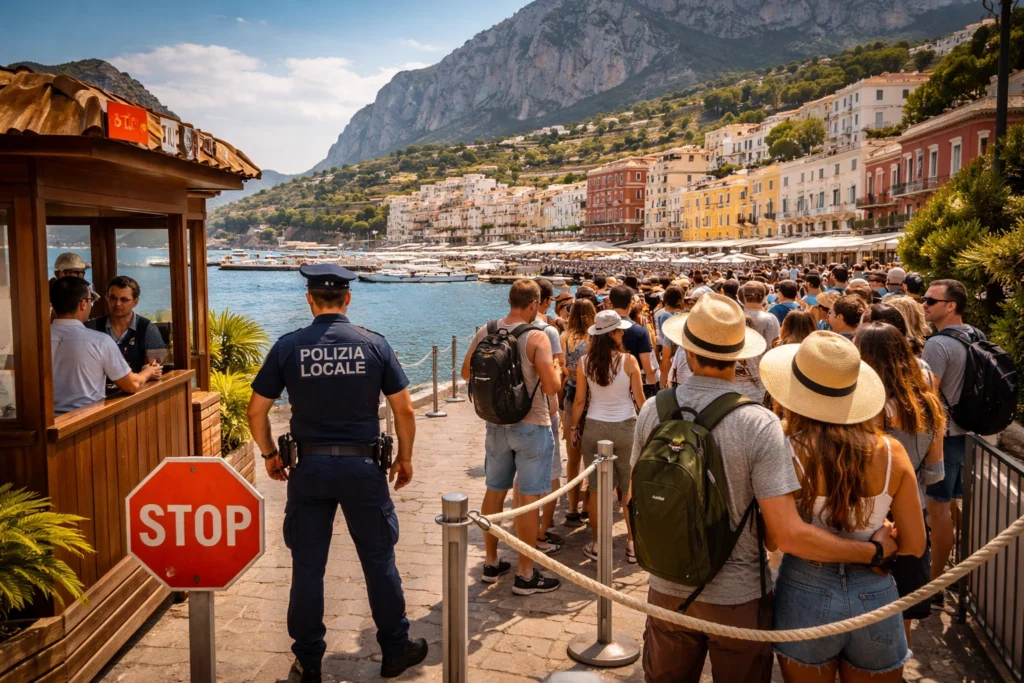
Europe’s most visited landscapes are under strain. Record tourism has damaged coastlines, forests and marine habitats. Now, four major destinations—France, Italy, Portugal and Spain—have united around tough, unprecedented rules that shift responsibility directly onto tourists. The goal is simple: protect fragile ecosystems before they disappear.
Governments now set quotas, enforce permits, issue fines and demand strict behaviour from travellers. These measures mark a clear shift from unlimited access to controlled, sustainable tourism.
France Introduces Mandatory Reservations to Shield Fragile Landscapes
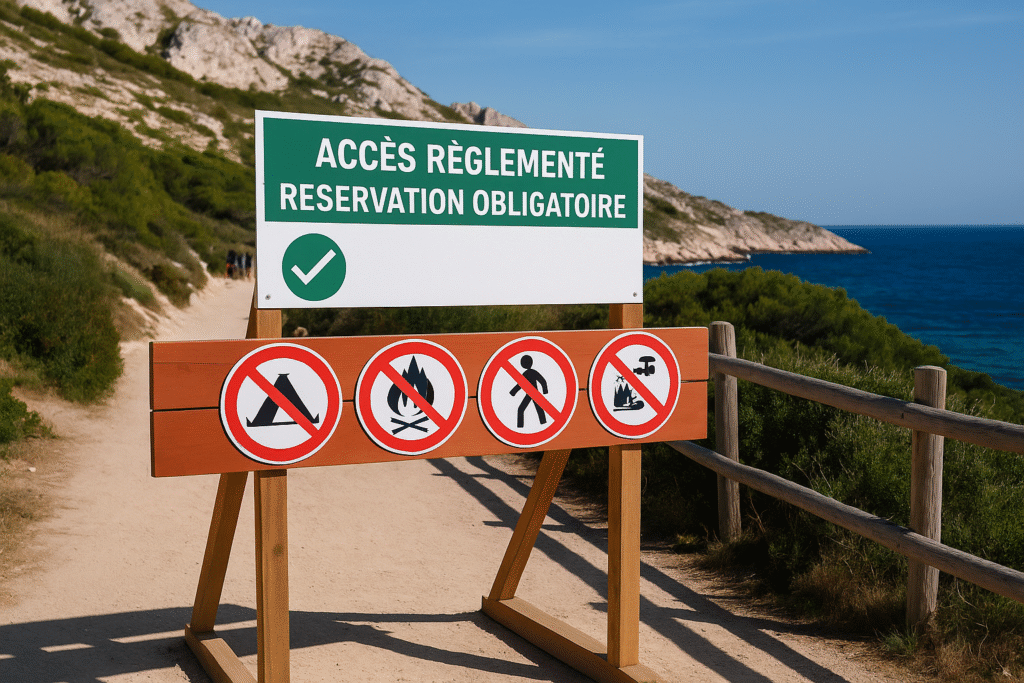
France has strengthened protection across its national parks, starting with one of its most iconic coastal jewels: the Calanques near Marseille. Years of heavy foot traffic compacted soil, eroded paths and stressed the pine forests around Sugiton. To halt the damage, authorities created a mandatory reservation system during peak summer days.
Visitors must book in advance. Entry is denied without confirmation. Group sizes are limited. Rangers patrol trails and ensure no one strays into sensitive zones. Camping, fires, smoking and off-trail hiking remain strictly banned.
France’s goal is not to restrict visitors for exclusivity. Instead, authorities want nature to recover at a natural pace. By capping numbers, plants re-root, slopes stabilise and marine life rebounds. France plans to extend these access controls to more mountain passes and coastal reserves over the coming years.
Italy Cracks Down on Sand Theft and Unregulated Beach Activity
Italy’s beaches face a unique challenge: tourists taking sand and pebbles home as souvenirs. The issue is especially severe in Sardinia, where some beaches have lost measurable volumes of sand.
Regional officials now enforce heavy fines. Travellers caught with sand or shells can face penalties worth thousands of euros. Airports display confiscated jars to warn passengers before they board flights.
Local councils have also set strict beach rules. At La Pelosa in Stintino, visitors cannot park near the shore, dig holes, bring soap into the sea or remove natural elements. Overnight stays, fires and fishing in bathing zones remain forbidden. Municipal officers patrol the coast to maintain compliance.
Across Italy, similar measures are taking shape. Venice introduced a day-visitor fee. Cinque Terre limits numbers on its most popular trails. The message is consistent: enjoy the scenery, but leave no trace behind.
Portugal Limits Visitors and Enforces a Nationwide Code of Conduct
Portugal couples access control with environmental education. Berlenga Grande Island, a nature reserve with sensitive seabird colonies, now operates under a strict quota. No more than 550 people may be on the island at once. All visitors must register, pay a conservation fee and follow marked routes.
The island’s revenue supports habitat restoration, erosion control and trail maintenance. Signage reminds travellers to keep noise low, stay on paths and take all waste back to the mainland.
Portugal has also introduced a national Code of Conduct for all protected areas. It outlines clear expectations:
- Respect local customs
- Carry out all waste
- Avoid picking plants
- Report irregularities
- Use only authorised recreation zones
Hikers are urged to remain on marked trails and avoid disturbing wildlife. Fires are restricted to designated areas. These guidelines now shape behaviour across national parks and marine reserves.
Spain Caps Vehicles and Restricts Access to Overburdened Islands
Spain faces intense seasonal pressure on many of its islands. Formentera, one of the Balearic Islands, receives far more visitors in summer than its environment can sustain. Its small size makes vehicle numbers especially damaging. In response, authorities set an annual vehicle cap each summer.
Tourists must apply for permits to bring a car or motorcycle. Fees vary by season, with higher rates in July and August. Quads and caravans are completely banned. Electric vehicles and residents enjoy exemptions. Once the quota is reached, no more permits are issued.
Further north, Galicia’s Atlantic Islands National Park controls entry through a strict authorisation system. The Cíes, Ons, Sálvora and Cortegada islands have daily limits for visitors and campers. Boats must secure advance permission to anchor. Trails permit only pedestrian movement. Activities like lighting fires, collecting shells and disturbing wildlife are prohibited. Even drone use requires permission.
These rules ensure that delicate habitats—from seabird nesting grounds to dune ecosystems—remain intact.
A New Era of Responsible Tourism in Europe
Europe’s new tourism approach is clear: access is a privilege, not a guarantee. Visitors must now follow rules that protect nature. Governments are no longer relying on awareness campaigns alone. They are enforcing change through permits, caps and fines.
This shift encourages travellers to see themselves as caretakers rather than consumers. The goal is long-term preservation. If these protocols succeed, Europe’s landscapes—from France’s calanques to Portugal’s islands—will remain beautiful and biodiverse for the next generation.
Tourism is not ending. It is evolving. And Europe has taken a bold step toward sustainable travel.
For more travel news like this, keep reading Global Travel Wire