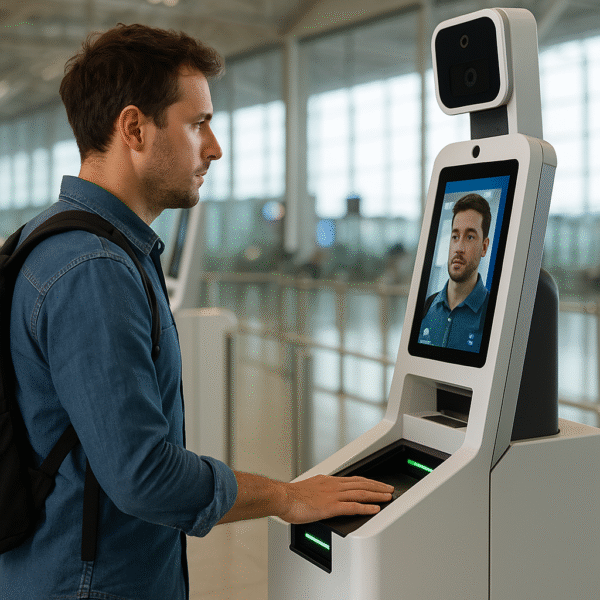
In 2025, Europe will begin a bold new chapter in travel modernization with the launch of the Entry Exit System (EES). The new system will redefine how borders operate across the 29 Schengen countries, replacing the traditional passport stamp process with advanced biometric registration. Using facial recognition and fingerprint technology, EES aims to create faster, safer, and more efficient travel for millions of visitors.
The rollout begins in October 2025 and will become fully operational by April 2026. Once complete, Europe will join a small group of regions using fully digitalized border systems, setting a global benchmark for smart travel management.
What the Entry Exit System Means
The EES marks a complete overhaul of how non-EU visitors enter and exit Schengen nations. Instead of manual passport stamping, border officers will capture facial images, fingerprints, and passport data to create a secure digital record. This information will log every traveler’s entry and exit time and stay duration, stored for up to three years.
By eliminating manual checks, the EES will make border crossings quicker while reducing human error. The system also helps enforce Schengen’s 90-day stay rule for non-EU nationals, ensuring greater accuracy and fairness for travelers.
Who Needs to Register
The new biometric system applies to non-EU nationals entering the Schengen Zone for short stays, including:
- Visa-exempt travelers from countries like the UK, USA, Canada, and Australia.
- Short-stay visa holders entering for tourism, business, or family visits.
Meanwhile, EU citizens, residents, and long-term visa holders will not need to register, as they already have established legal residency or digital IDs within the EU system.
Why the Change Matters
Europe’s border overhaul is about more than just convenience—it is part of the EU’s digital transformation agenda. With global travel rebounding, the Schengen Zone faces rising visitor volumes and increasing demands for security and speed.
The EES provides a smart solution by combining efficiency with safety. For travelers, this means less time in queues and fewer manual checks. For authorities, it delivers better data accuracy, improved overstay tracking, and enhanced crime prevention capabilities.
This modernization also reinforces the EU’s broader goal of harmonizing border management, ensuring every Schengen country operates under a single, unified system.
Airports Gear Up for the Transition
Across Europe, airports are preparing for the biggest technological upgrade in decades. From Frankfurt and Amsterdam to Paris and Madrid, terminals are installing self-service biometric kiosks and automated eGates designed to process travelers in seconds.
However, the transition poses logistical and financial challenges, especially for smaller airports. Upgrading space, equipment, and staff training requires significant investment. Despite these hurdles, the shift to automation promises long-term gains in speed, capacity, and traveler satisfaction.
Managing First-Time Registration
When the system launches, first-time travelers from non-EU countries will need to complete biometric registration before entering the Schengen area. This process involves scanning passports, fingerprints, and facial images at designated kiosks.
Airports expect minor delays during the initial months as travelers adapt to the new system. To ease congestion, authorities plan to stagger the rollout and offer pre-registration options at select airports and embassies. Once enrolled, repeat travelers will pass through border checks much faster.
Protecting Data and Privacy
With biometric data at the core of EES, data security remains a top priority. The system complies fully with EU data protection laws and employs encryption to safeguard traveler information. Access to data will be restricted to authorized border agencies and security departments.
Authorities assure that all collected data will serve only for entry and exit verification, border enforcement, and fraud prevention. The EU has also committed to regular audits and oversight to maintain transparency and accountability.
Integration with Other Systems
The Entry Exit System will integrate with existing databases such as the Schengen Information System (SIS) and the Visa Information System (VIS). This interoperability allows border agencies to access comprehensive traveler histories instantly, improving cross-border coordination.
By 2026, EES will also connect with the upcoming European Travel Information and Authorization System (ETIAS), which will require visa-exempt travelers to apply for pre-travel authorization. Together, these digital systems will form a unified framework for managing Europe’s borders.
Staff Training and Traveler Education
Technology alone cannot ensure a smooth rollout. Extensive training programs are underway to equip airport and border staff with the skills to operate biometric systems efficiently. Staff will also help travelers understand the registration process, minimizing confusion at checkpoints.
Public awareness campaigns will inform travelers of the changes well in advance. Airlines, travel agencies, and embassies are expected to play key roles in spreading accurate information about registration steps and documentation requirements.
Turning Challenges into Opportunities
While the EES poses short-term operational challenges, it also opens doors for innovation. Airports can leverage this transformation to rethink passenger flow, enhance infrastructure, and adopt eco-efficient technologies.
Biometric systems will not only improve security but also streamline other airport services, from check-in to boarding. This modernization sets the stage for fully automated travel experiences in the future.
Leading technology companies are already working with European airports to deploy AI-powered solutions that handle high passenger volumes while maintaining speed and accuracy. These systems prioritize privacy by design, ensuring compliance with Europe’s strict data protection standards.
The Road Ahead
By 2026, Europe’s borders will look very different from today. Travelers will no longer hand over passports for stamping but will instead pass through automated gates that verify their identity in seconds.
This change reflects Europe’s broader vision for a secure, connected, and digital travel ecosystem. With faster processing times and smarter monitoring, the EES will make travel across the Schengen area more seamless than ever.
For millions of visitors each year, the journey through Europe is about to become smoother, safer, and smarter—a true revolution in how the world experiences border control.
In Summary:
Europe’s Entry Exit System, launching in 2025, will replace traditional passport stamps with cutting-edge biometric registration. The initiative will enhance border security, reduce wait times, and create a new standard for digital travel management. As Europe leads the way, the EES marks not just a shift in border policy—but the dawn of a new era in global mobility.
For more travel news like this, keep reading Global Travel Wire