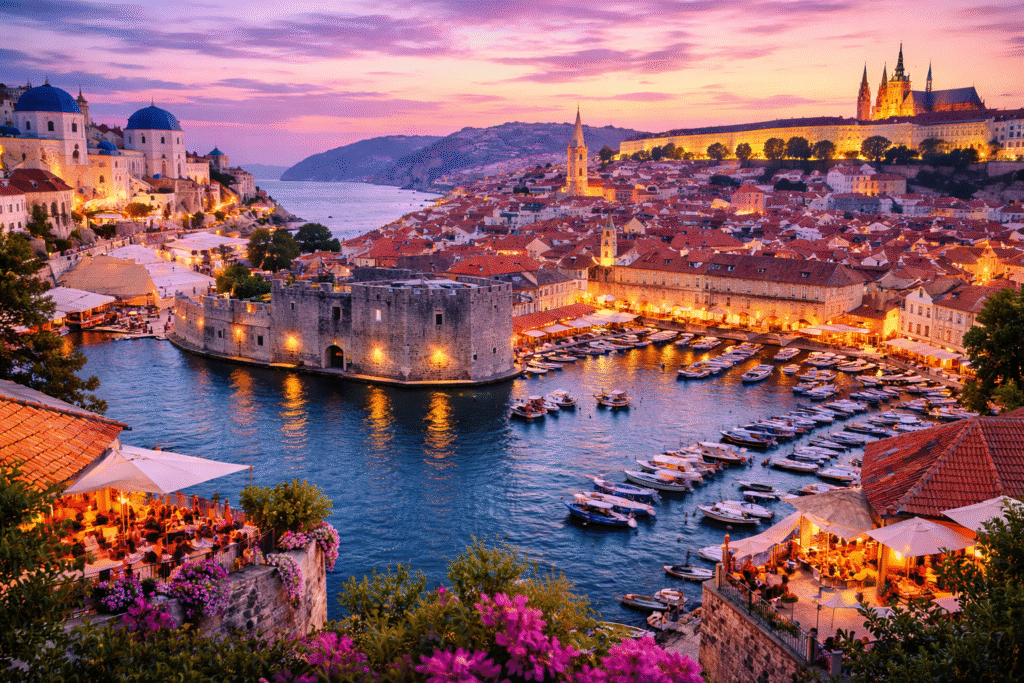
Europe has entered a new phase of tourism in 2026. Destinations across the continent now focus on value, accessibility, and quality. Tourism authorities promote experiences that feel luxurious without high costs. This approach attracts global travelers seeking culture and comfort.
European policymakers view tourism as a pillar of economic stability. They support initiatives that spread visitor spending across regions and seasons. This strategy strengthens local economies and protects cultural heritage.
Off-Peak Travel Unlocks Better Value and Experiences
Tourism boards strongly recommend shoulder and off-peak travel. Spring and autumn offer lower prices and lighter crowds. Visitors enjoy popular landmarks without congestion or inflated rates.
Hotels and airlines reduce prices during these periods. Attractions feel calmer and more authentic. Cities benefit from balanced visitor flows throughout the year.
This timing also supports sustainable tourism goals. Destinations avoid seasonal strain on infrastructure and communities. Travelers gain a more relaxed and immersive experience.
Affordable Transport Keeps Europe Connected
Europe’s transport network continues to drive its appeal. Budget airlines operate dense route networks across the continent. Travelers can move between cities quickly and affordably.
Rail systems offer reliable and scenic alternatives. Regional trains connect major hubs with smaller towns. Public transit systems reduce daily travel costs within cities.
Bus networks further expand low-cost mobility. These options allow visitors to explore multiple destinations on one trip. Transport affordability encourages longer stays and deeper exploration.
Smart Accommodation Choices Stretch Travel Budgets
Tourism experts advise travelers to look beyond city centers. Neighborhood guesthouses and short-term rentals often cost less. These areas also offer a more local atmosphere.
Many accommodations include kitchen access. Visitors can prepare simple meals and reduce dining expenses. Families and long-stay travelers benefit the most.
This trend spreads tourism income into residential districts. Local shops and services gain steady support. Communities remain engaged rather than displaced.
Local Dining Delivers Authentic Flavor for Less
European tourism agencies highlight local food culture as a value driver. Markets, bakeries, and neighborhood cafés offer quality meals at fair prices.
Dining where residents eat reveals regional identity. Travelers experience authentic flavors without tourist markups. Street food and lunch menus provide excellent value.
This approach supports small businesses and traditional producers. Food becomes a cultural exchange rather than a luxury expense.
Free Culture Enhances Every Itinerary
Europe offers extensive free cultural experiences. Cities host open-air concerts, festivals, and public art displays. Walking tours often operate on a tip-based model.
Museums and heritage sites schedule free entry days regularly. Public parks and historic districts remain open year-round. These options enrich trips without added cost.
Tourism officials view free culture as an access tool. It invites broader audiences and encourages repeat visits. Cultural participation strengthens long-term destination appeal.
Emerging Destinations Offer Luxury for Less
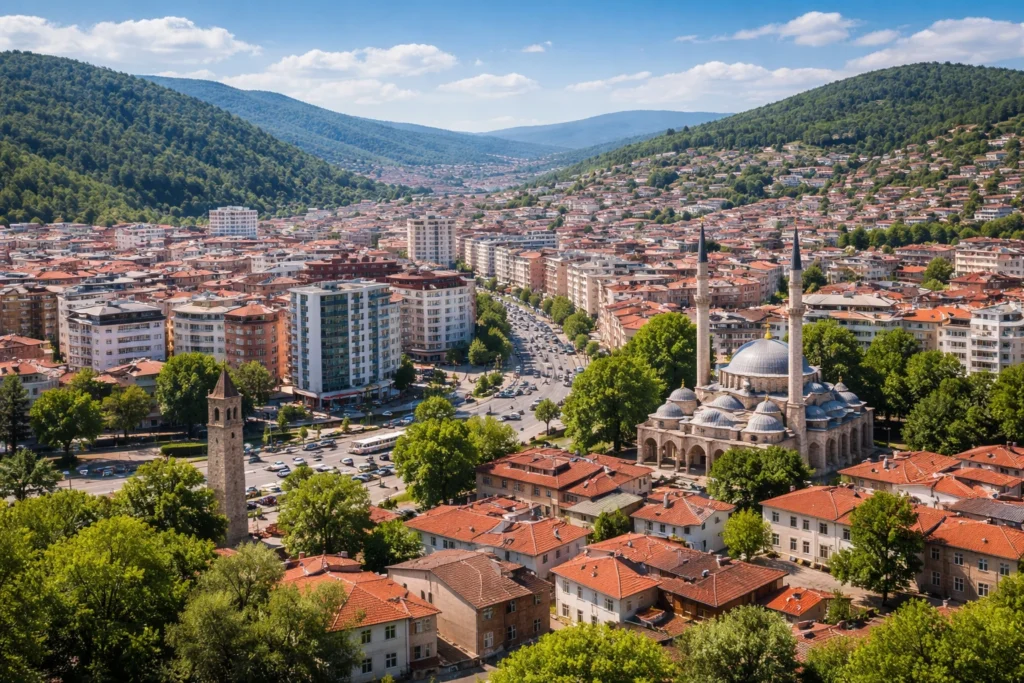
Tourism strategies now promote lesser-known regions. Eastern Europe, the Balkans, and smaller cities gain increased visibility. These destinations offer lower prices and fewer crowds.
Travelers discover historic towns, natural landscapes, and vibrant traditions. Accommodation and dining costs remain competitive. Quality experiences rival those in traditional hotspots.
This diversification balances tourism demand across Europe. It reduces pressure on major cities and supports regional growth. Visitors gain fresh perspectives and better value.
Official Guidance Improves Travel Confidence
European authorities emphasize preparation and clarity. Travelers benefit from clear entry rules and standardized procedures. Advance authorization systems improve border efficiency.
Official advisories help visitors avoid unexpected costs. Clear guidance supports smoother arrivals and departures. Predictable travel builds confidence among international guests.
Prepared travelers spend more time enjoying destinations. Stress-free journeys enhance overall satisfaction and spending patterns.
Tourist Taxes Support Long-Term Quality
Some destinations apply modest tourist taxes. Authorities use these funds for maintenance and public services. Investments support transport, heritage sites, and cleanliness.
Tourism officials stress transparency in fee usage. Visitors often see direct benefits during their stay. Clean streets and preserved landmarks enhance value.
This model supports responsible tourism development. Communities gain resources without sacrificing accessibility.
Europe Balances Value with Sustainability
European tourism policies align affordability with responsibility. Governments promote longer stays and conscious spending. Destinations encourage respect for local culture and environment.
Sustainable transport and pedestrian zones reduce emissions. Heritage protection ensures future generations can visit. Affordable travel does not compromise quality or care.
Why Europe Shines in 2026
Europe proves that luxury does not require excess spending. Travelers enjoy culture, comfort, and connection through smart choices. The continent offers unmatched variety at accessible prices.
With planning and official support, Europe remains financially rewarding and culturally rich. In 2026, Europe stands as the world’s most balanced and welcoming travel region.
For more travel news like this, keep reading Global Travel Wire