Europe is entering a crucial phase in its battle against overtourism. Denmark has now joined Italy, Spain, Greece, Hungary, the Czech Republic, and the Netherlands in pushing forward strong, people-focused tourism reforms. These countries face rising pressure from overcrowded attractions, soaring housing costs, environmental strain, and growing frustration among local residents.
As tourism numbers rebound across the continent, governments are moving quickly toward new rules, incentives, and long-term sustainability strategies. Their goal is simple: protect local life while keeping tourism beneficial and enjoyable for visitors.
Overtourism: A Growing Crisis Across Urban Europe
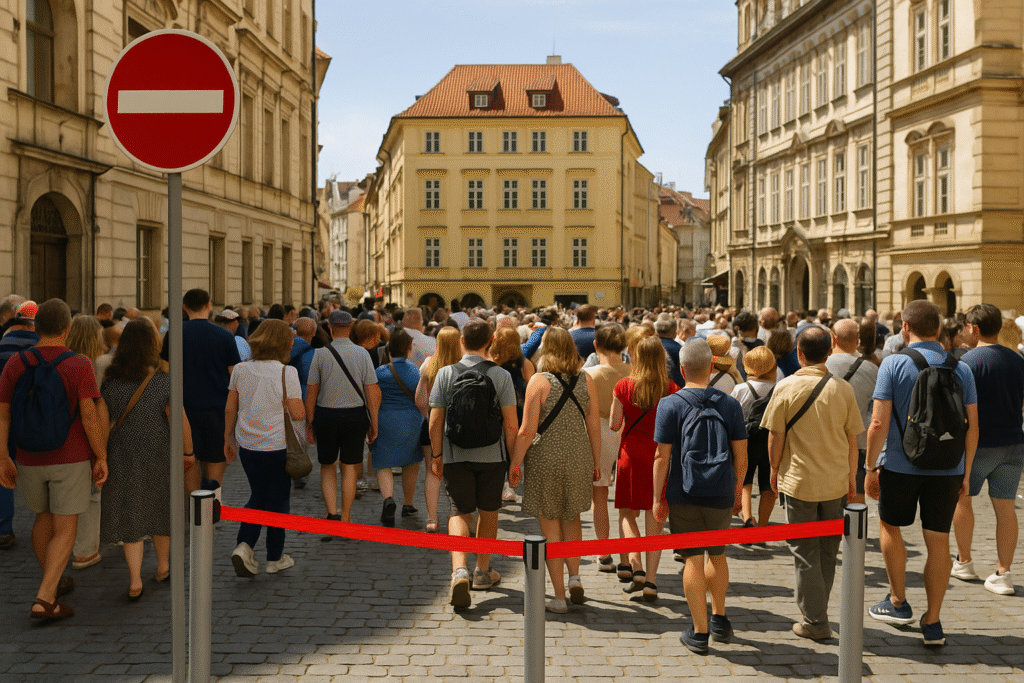
Europe has long been a top global travel hub. Cities such as Barcelona, Venice, Amsterdam, Athens, and Copenhagen attract millions each year. This steady rise in international arrivals boosts economies, but it also brings heavy consequences.
Crowded public spaces, limited housing, overfilled transit systems, and pressure on fragile heritage sites are now common. Short-term rentals have reshaped central neighborhoods, often pushing out long-time residents. Local governments are now forced to define clear limits on tourism growth.
Denmark’s Clean and Community-First Strategy
Denmark is known for its strong environmental values, and Copenhagen continues this spirit with a fresh approach to tourism. The city welcomes millions each year but wants growth without harm to daily life.
CopenPay: Rewarding Responsible Visitors
A new program encourages tourists to take part in eco-friendly actions. Visitors who cycle, pick up litter, or volunteer in parks receive rewards such as free museum access or small treats. This positive model strengthens the city’s sustainability goals without restricting visitor access.
Managing Tourism Flow
Copenhagen is also studying crowd-control systems, seasonal visitor limits, and data-based environmental monitoring. The aim is to guide tourism toward a balanced future rather than restricting it abruptly.
Italy and Spain Push Back Against Tourist Crowds
Italy and Spain remain two of the world’s most visited countries, and both continue to feel the full weight of overtourism.
Italy: Venice Leads a New Era of Controls
Venice is a fragile city built on water, and its infrastructure struggles during peak seasons. To protect its heritage, the city has introduced a structured entry fee during high-traffic days. This system helps regulate arrivals and funds the preservation of historic sites. Other Italian cities are studying similar steps as they deal with rising pressure.
Spain: Barcelona Reinforces Housing Protection
Barcelona has become a symbol of Europe’s overcrowding crisis. The city now enforces strict rules on tourist apartments and is phasing out short-term rentals in the coming years. Local authorities have strengthened inspections and applied tighter penalties on illegal listings.
Several Spanish regions also apply tourist taxes. These funds support public services, environmental restoration, and cultural preservation.
Hungary, Greece, and Czech Republic Confront Their Own Tourism Challenges
While Italy and Spain manage some of the highest visitor numbers, Central and Southern Europe are facing similar strains.
Hungary: Budapest Sets Limits on Holiday Rentals
Budapest’s beauty draws millions, but its central districts face heavy housing pressure. A rental ban coming into effect in 2026 will reduce tourist apartments in the most affected areas. The goal is to stabilize local housing and reduce noise and overcrowding.
Greece: New Seasonal Regulations and Climate Tax
Athens continues to see strong tourist demand. To protect neighborhoods, Greece has paused new short-term rental licenses in parts of the capital. A climate resilience tax now applies to hotel stays, with higher fees in premium accommodations. This measure encourages offseason travel and helps fund environmental protection.
Czech Republic: Prague Protects Its Heritage Core
Prague welcomed millions of tourists in the past year. The city plans to limit short-term rentals in its historic center and introduce smarter crowd-management tools. These measures aim to safeguard local communities while preserving UNESCO-listed areas.
The Netherlands: Strongest Anti-Tourism Push in Europe
Amsterdam is one of the most proactive European cities. Over the years, it has introduced more than 70 measures to control visitor flow.
Firm Regulations on Rentals and Transport
Short-term rental caps, strict enforcement, and restrictions on large tourist buses are now standard. The city also charges one of Europe’s highest tourist taxes.
“Stay Away” Campaign and Cruise Ship Controls
Amsterdam launched a bold campaign discouraging party-focused travel. It also increased day-visitor taxes on cruise passengers and reduced cruise ship arrivals to ease pressure on its compact center.
A Shared Vision for a Sustainable Tourism Future
Across Europe, the message is clear: tourism must evolve. While strategies differ, the objective remains the same—protect cultural identity, reduce environmental stress, and maintain livable cities.
Countries are testing a mix of regulation, incentives, taxes, and technology-driven solutions. Their shared efforts show that tourism and sustainability can coexist when supported by thoughtful policies and community involvement.
Europe’s united push may soon become a global model. As these nations continue to refine their strategies, they shape a future where tourism benefits everyone—residents, visitors, and the environment.
For more travel news like this, keep reading Global Travel Wire