European airlines have issued urgent warnings about potential travel disruptions as the new Schengen Entry Exit System (EES) struggles with operational delays. Industry leaders fear that unresolved issues could create major airport congestion during the busy summer travel season. With millions expected to travel across Europe, airlines are calling for immediate action to prevent widespread chaos.
What Is the Schengen Entry Exit System?
The Entry Exit System is a new digital border management initiative introduced by the European Union. It aims to replace traditional passport stamping for non-EU travelers entering the Schengen Area. Instead of manual checks, the system records biometric data such as facial images and fingerprints.
Authorities designed the system to strengthen border security and improve monitoring of visitor movements. The system also tracks overstays and flags individuals who have been denied entry previously. Officials believe automation will modernize border procedures and improve data sharing among member states.
However, early implementation has revealed serious operational concerns.
Airlines Raise Alarm Over Delays
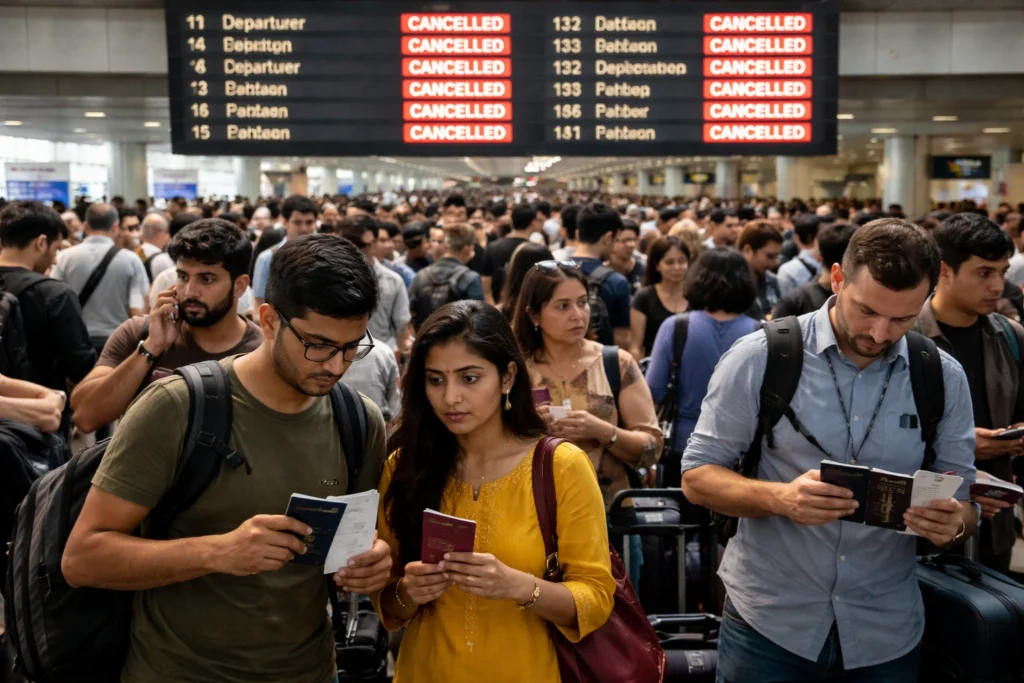
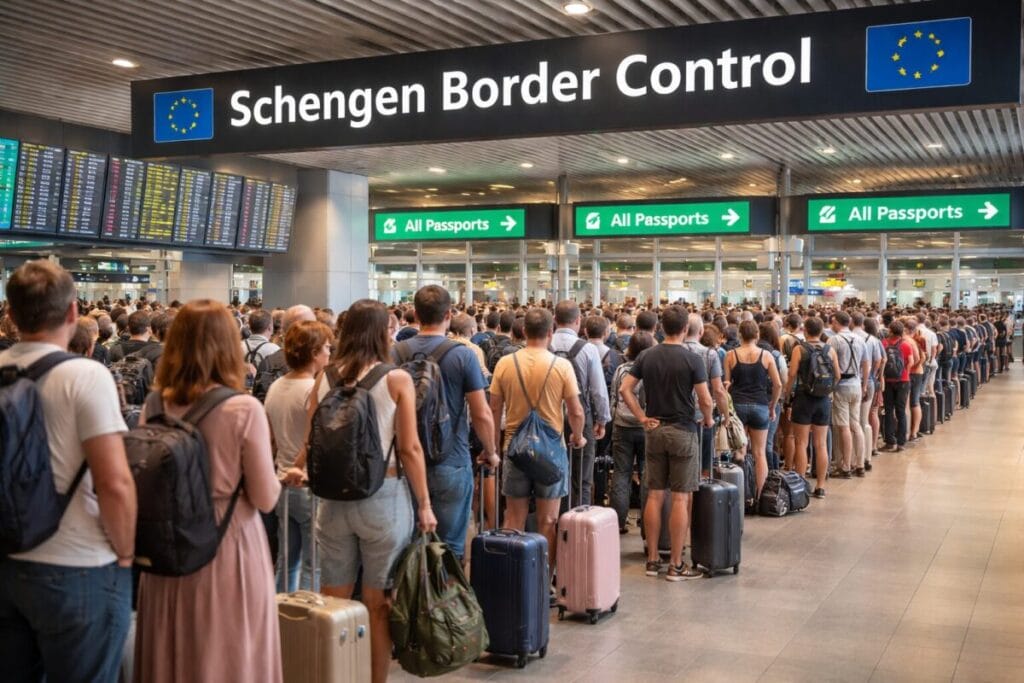
Major aviation organizations have expressed growing frustration with the rollout. Airlines report that technical problems and insufficient staffing at border control points have already caused long waiting times. In some airports, travelers have experienced delays lasting up to two hours.
Industry representatives warn that conditions could worsen significantly during the summer peak. European airports typically handle higher passenger volumes between June and September. Without improvements, queues could stretch even longer, potentially reaching several hours at major entry points.
Airlines argue that extended border processing times affect the entire travel chain. Delays at immigration checkpoints can lead to missed connections, late departures, and operational disruptions for airlines and airport authorities.
Key Challenges Slowing the System
Several factors contribute to the ongoing problems with the Entry Exit System.
Technical Issues
The biometric system relies heavily on automated technology. Early testing has exposed glitches in data processing, equipment performance, and integration with existing airport systems. Any delay during biometric capture slows down the entire passenger flow.
Staffing Shortages
Border control agencies in several countries lack sufficient personnel to manage the new procedures. Biometric checks require additional time compared to traditional passport stamping, especially when travelers use the system for the first time.
Operational Readiness
Many airports are still adapting their infrastructure to accommodate new technology. Limited training and inconsistent processes across different countries have created uneven passenger experiences.
Industry Calls for Immediate Action
European airline and airport groups are urging policymakers to act quickly. Their main demand is greater flexibility in how the system operates during peak travel periods.
Industry leaders suggest several measures:
- Allow temporary suspension or partial implementation in high-traffic locations.
- Increase staffing at border checkpoints.
- Improve technical reliability through rapid upgrades and testing.
- Provide clearer operational guidance across all Schengen states.
Airlines believe these steps could reduce congestion while authorities refine the system.
Pressure Builds Ahead of Summer Travel Season
The timing of the issues has intensified concerns. Europe expects strong travel demand as tourism continues to recover and expand. Popular destinations across Spain, Italy, France, and Greece anticipate heavy visitor numbers.
Long queues at immigration could harm passenger experience and damage Europe’s reputation as a smooth travel destination. Tourism boards worry that negative airport experiences may influence future travel decisions.
Airlines also highlight financial risks. Delays can increase operational costs through extended turnaround times, missed slots, and additional staffing requirements.
Balancing Security With Efficiency
The Entry Exit System represents a major shift toward digital border management. Governments view biometric tracking as essential for stronger security and better monitoring of non-EU visitors. The system aligns with broader efforts to modernize travel infrastructure and enhance safety across the region.
However, industry stakeholders stress that security upgrades must not compromise operational efficiency. A system that slows passenger movement during peak seasons could create unintended consequences for both travelers and transport networks.
Experts emphasize the need for phased implementation supported by extensive testing. Gradual expansion allows authorities to identify problems and improve performance before handling full passenger volumes.
What Travelers Should Expect
While authorities continue to refine the system, travelers entering the Schengen Area may experience:
- Longer waiting times at immigration checkpoints.
- Additional biometric data collection during first entry.
- Increased documentation checks for non-EU nationals.
Travelers can reduce stress by arriving early at airports and preparing required documents in advance. Frequent travelers may notice smoother processing after initial registration, as biometric data remains stored in the system for future visits.
The Future of European Border Management
The Entry Exit System marks an important milestone in Europe’s move toward digitalized borders. If fully optimized, it could speed up processing, improve security monitoring, and simplify cross-border travel.
For now, airlines continue to press for urgent improvements. The coming months will determine whether authorities can resolve operational issues before summer crowds arrive. A balanced approach that combines technological innovation with practical airport operations will be crucial to ensuring both security and a smooth travel experience across Europe.
For more travel news like this, keep reading Global Travel Wire