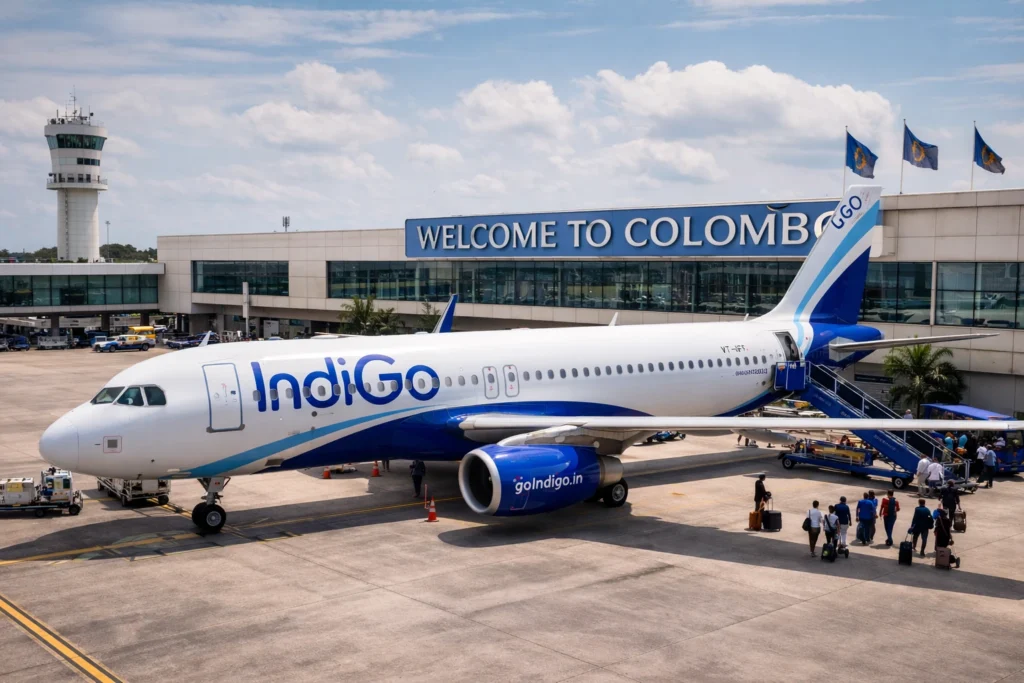
Fiji Airways has reported record revenue of FJ$1.85 billion and carried 2.3 million passengers in 2024. The milestone highlights strong tourism growth across the South Pacific and rising global demand for island travel .
The airline’s performance reflects broader momentum in the region’s tourism sector. Increased connectivity, service upgrades, and sustainability efforts are driving this growth.
Record Performance Signals Strong Tourism Demand
Fiji Airways continues to play a key role in connecting the Pacific to global markets. Its record revenue shows how demand for long-haul leisure travel has rebounded.
The airline has expanded routes and improved services to attract more travelers. These efforts have helped position Fiji as a leading destination in the Pacific.
Higher passenger numbers also benefit hotels, resorts, and tour operators. Tourism remains a major economic driver for Fiji and nearby island nations.
Sustainability Drives Regional Tourism Strategy
Sustainability has become a central focus for Pacific tourism. The Pacific Tourism Organisation has introduced initiatives to support eco-friendly travel.
At the South Pacific Tourism Exchange 2026, officials launched the “This for That” campaign. The program encourages tourism businesses to replace single-use plastics with sustainable alternatives.
The initiative includes a toolkit and certification pathway for operators. This helps businesses adopt greener practices while maintaining service quality.
Eco-conscious travel continues to grow worldwide. Many travelers now choose destinations that protect natural environments.
The Pacific’s focus on sustainability strengthens its appeal to this segment. It also helps preserve ecosystems that attract visitors.
Expanding Connectivity Boosts Visitor Numbers
Fiji Airways has increased its international reach through new routes and partnerships. The airline has expanded flights to Vancouver and strengthened its codeshare agreement with British Airways.
These moves improve access from key markets such as Canada and the United Kingdom. They also provide smoother connections for long-haul travelers.
Better connectivity supports higher visitor arrivals. It also encourages longer stays and increased spending.
Airlines play a critical role in island tourism. Reliable air links are essential for attracting global travelers to remote destinations.
Digital Innovation Enhances Visitor Experience
Digital tools are transforming tourism across the Pacific. The Discover Samoa App is one example of this shift.
The app offers real-time information on accommodation, dining, and local services. It helps travelers plan their trips more easily.
Tourism authorities plan to expand the platform to other destinations. This will support regional tourism growth and improve visitor experiences.
Digital solutions also benefit local businesses. They increase visibility and connect operators with international travelers.
Regional Airlines Strengthen Air Networks
Other Pacific airlines are also expanding their services. Air Niugini has introduced the Airbus A220-300 on its Port Moresby–Sydney route.
This aircraft offers better fuel efficiency and passenger comfort. It also increases capacity on a key regional route.
Solomon Airlines has deployed an A320 on the Honiara–Munda route. This upgrade supports higher passenger demand during peak periods.
These developments improve regional connectivity. They also make travel within the Pacific more efficient.
Promoting Emerging Destinations
Pacific destinations continue to invest in digital marketing and visibility. Wallis and Futuna has partnered with a travel platform to create a digital guide.
This guide highlights local attractions and supports small tourism businesses. It also helps position the destination on the global stage.
Emerging destinations benefit from increased exposure. This diversifies tourism flows across the region.
Tourism Growth Supports Local Economies
Tourism remains vital for economic growth in the Pacific. Airlines like Fiji Airways drive visitor arrivals and spending.
Higher tourism demand creates jobs and supports local communities. It also encourages investment in infrastructure and services.
Sustainable tourism ensures long-term benefits for the region. It balances economic growth with environmental protection.
Outlook for Pacific Tourism
The Pacific tourism sector shows strong growth potential. Airlines, governments, and tourism organizations are working together to support this expansion.
Fiji Airways’ record performance signals confidence in future demand. Continued investment in connectivity and sustainability will drive further growth.
Travelers are increasingly seeking unique and eco-friendly experiences. The Pacific region is well positioned to meet these expectations.
A Rising Global Tourism Destination
The South Pacific continues to gain popularity as a global travel destination. Its natural beauty, cultural richness, and improved accessibility attract visitors from around the world.
Fiji Airways’ success reflects this growing interest. The airline’s expansion and service improvements strengthen the region’s tourism ecosystem.
With strong demand, sustainable initiatives, and digital innovation, the Pacific is entering a new phase of tourism growth. It offers travelers memorable experiences while protecting its unique environment for future generations.