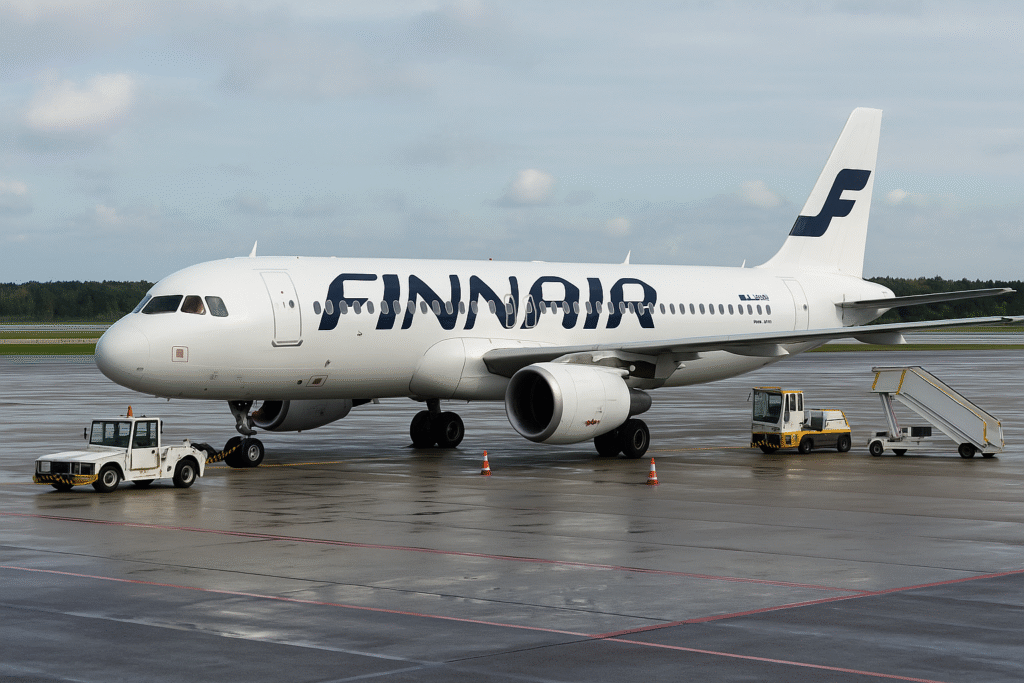
Finland’s tourism sector faces sudden turbulence as Finnair cancels 40 flights and grounds eight Airbus A321 aircraft. This disruption comes at a crucial travel season, dealing a blow to the country’s visitor flow and reputation.
Strange Cause Triggers Mass Cancellations
Rather than mechanical failure or staff shortages, the root cause lies in seat cleaning. The airline admitted that some seat covers on its A321 fleet were washed with water. The seat‐cover manufacturer later flagged that this cleaning method had not been properly verified for fire safety. In response, Finnair temporarily withdrew eight A321 jets from service for deeper inspection.
The airline quickly cancelled several flights between October 13 and 17. In doing so, it aims to preserve safety standards and comply with manufacturer guidelines. Aircraft type changes and schedule adjustments may continue, and overbookings are possible as the airline juggles limited fleet capacity.
Widespread Disruptions Across Routes
The cancellations impacted both domestic and international routes. Key links from Helsinki to European and global destinations suffered. Many travelers faced sudden itinerary changes, scrambling to find alternative connections or accommodations.
Finnair responded by offering full refunds or rebooking options for affected passengers. The airline also apologized for the abrupt disruption and said it would act swiftly to restore normal operations.
Tourism Takes a Sharp Hit
The timing could not be worse. Finland’s tourism industry is in a recovery phase following pandemic downturns. In 2024, foreign visitors made roughly 4.9 million trips to Finland and spent about 3.7 billion euros. Many of these travelers enter through Helsinki, Finnair’s major hub.
With flight cancellations disrupting access, some tourists may cancel or delay their trips. This not only affects the airline but also hotels, tour operators, and regional tourism businesses.
Domestic demand remains strong — in 2022, domestic tourism accounted for around 77 percent of total demand and foreign visitors about 23 percent. Still, inbound travelers often spend more per capita, making their absence a serious loss.
Safety Over Schedule
Finnair defended its response, stating that safety is non‐negotiable. The airline promised to trace the incident, strengthen inspection protocols, and avoid repetition. Though the cancellations look stark, pulling aircraft from service isn’t arbitrary; aviation safety protocols require strict adherence to maintenance, material, and fire safety rules.
The Path to Recovery
Finnair plans daily fleet swaps to reduce further cancellations. The airline also aims to clear the backlog rapidly. Communication with affected travelers is central to regaining confidence, and the airline will likely extend flexible policies on refunds and rebookings.
For Finland’s tourism sector, this incident is a reminder of fragility in aviation dependencies. Tourism bodies may ramp up campaigns to reassure travelers and smooth transit alternatives.
Tourism Highlights Despite the Setback
Finland still offers compelling reasons to visit. Lapland draws visitors with its Northern Lights, vast wilderness, and winter experiences. Pyhä-Luosto National Park, spanning 142 square kilometers, draws more than 190,000 visits annually thanks to its ancient forests and geological features.
Cities like Helsinki continue promoting sustainable urban tourism. And national initiatives, such as the museum card giving access to hundreds of museums, support domestic and international cultural engagement.
Balancing Growth and Sustainability
Even before this disruption, Finnish tourism has been navigating pressures of overtourism. In Lapland, expansion of tourist facilities and infrastructure have raised concerns about habitat loss and cultural impact. The sector must now recover while staying mindful of environmental limits and local communities.
Final Word
Finnair’s sweeping cancellations over a seat cleaning safety issue have rattled Finland’s tourism at a sensitive juncture. Though airlines often face operational challenges, this episode underscores how fragile interlinked systems can be. The airline’s swift corrective measures, transparent communication, and safety commitment will matter greatly in repairing traveler trust. For Finland’s tourism industry, this is a test of resilience — but the country’s natural beauty and cultural assets remain strong anchors for recovery.
For more travel news like this, keep reading Global Travel Wire