
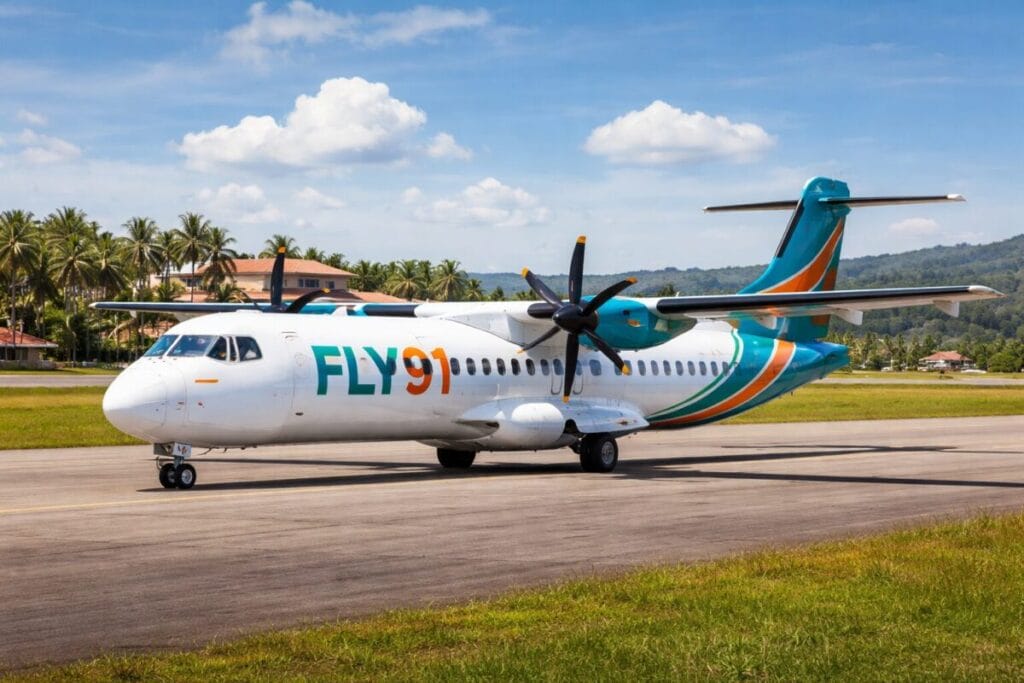
India’s regional aviation sector continues to grow as Goa-based airline FLY91 expands its fleet with two new ATR 72-600 turboprop aircraft. The move signals stronger domestic connectivity and new opportunities for tourism development in smaller cities and underserved regions.
The airline secured long-term operating leases for the aircraft through international aviation lessors. One aircraft has already entered service, while the second is expected to begin operations soon. This expansion supports FLY91’s broader strategy to connect emerging destinations with major travel hubs, improving accessibility for both business and leisure travellers.
Regional connectivity has become a key focus in India’s aviation policy landscape. Airlines operating smaller aircraft play a critical role in linking tier-2 and tier-3 cities to the national travel network. With demand for domestic tourism rising steadily, regional carriers are stepping in to fill connectivity gaps.
Why ATR 72-600 Aircraft Fit India’s Regional Aviation Needs
The ATR 72-600 is widely used for short-haul routes due to its fuel efficiency and ability to operate from smaller airports. These features make it ideal for expanding regional air networks where runway limitations or passenger demand may not support larger jet aircraft.
By adding these aircraft, FLY91 gains flexibility to introduce new routes and increase flight frequencies. The turboprop’s operational efficiency also helps airlines maintain competitive pricing. Lower fuel consumption and reduced operating costs can translate into more affordable fares for travellers.
These aircraft allow airlines to access airports that may lack the infrastructure required for larger planes. As a result, passengers in smaller cities benefit from direct connections without relying on lengthy road or rail journeys.
New Opportunities for Domestic Tourism
Improved air connectivity often drives tourism growth, and FLY91’s expansion could unlock fresh travel opportunities across India’s emerging destinations. Regions that were once difficult to reach may now see increased visitor traffic.
Cities such as Hubballi, Vijayawada, Rajahmundry, Nanded, and Goa are among the locations expected to benefit from enhanced regional routes. Better access encourages weekend tourism, cultural exploration, and short business trips.
Tourism boards across India have increasingly focused on promoting lesser-known destinations. Improved air links support this strategy by reducing travel time and making itineraries more convenient. Travellers gain access to heritage sites, local festivals, and natural attractions that previously required long journeys.
Local economies also benefit when regional flights increase. Hotels, restaurants, transport services, and small businesses often experience growth as visitor numbers rise.
Benefits for Travellers: Flexibility, Affordability, and Convenience
Improved Connectivity
The additional aircraft enable FLY91 to expand its route network. Passengers gain direct access between smaller cities and larger metropolitan centres, reducing the need for multi-stop journeys.
More Flight Options
Increased fleet capacity allows airlines to offer more frequent services. Flexible scheduling helps travellers plan trips around work commitments or weekend breaks.
Competitive Pricing
Turboprop aircraft are designed for cost-efficient operations. Lower operational expenses can help airlines maintain attractive ticket prices, supporting budget-friendly travel.
Enhanced Regional Access
Smaller airports often lack extensive flight options. Regional aircraft bridge this gap by providing reliable connections and opening new travel corridors.
Challenges and Considerations for Passengers
While fleet expansion brings advantages, travellers may notice temporary adjustments as new aircraft integrate into operations. Airlines often refine schedules during early deployment phases.
Some regional airports also have limited infrastructure compared to major hubs. Facilities such as lounges, dining options, or ground transport may vary depending on location.
Another factor is passenger perception of turboprop aircraft. Although modern turboprops are safe and efficient, some travellers prefer larger jet aircraft. Education and positive travel experiences will help shift these perceptions over time.
Weather conditions can occasionally impact turboprop operations, particularly in regions with seasonal climate variations. However, these aircraft are designed for reliability and operate successfully across many global markets.
Alignment with India’s Regional Aviation Vision
India’s aviation strategy places strong emphasis on expanding connectivity to smaller cities. Government initiatives aimed at affordable air travel encourage airlines to explore routes beyond major metro hubs.
Regional carriers like FLY91 play a key role in this vision by operating aircraft suited for shorter distances and smaller passenger volumes. By targeting underserved markets, airlines help create balanced economic growth across different regions.
Improved air mobility supports business expansion, investment opportunities, and tourism development. For many travellers, regional flights reduce journey times dramatically compared to road or rail alternatives.
A Positive Outlook for Domestic Air Travel
FLY91’s addition of two ATR 72-600 aircraft represents more than a fleet upgrade. It highlights the growing importance of regional aviation in shaping India’s travel landscape.
Passengers can expect better connectivity, expanded route choices, and easier access to emerging tourism destinations. While early operational adjustments may occur, the long-term benefits for travellers and local economies are significant.
As domestic tourism continues to grow, regional airlines are becoming essential drivers of accessibility and inclusivity. By connecting smaller cities with major hubs, FLY91 helps strengthen India’s aviation network and supports a new era of exploration across the country.
For more travel news like this, keep reading Global Travel Wire