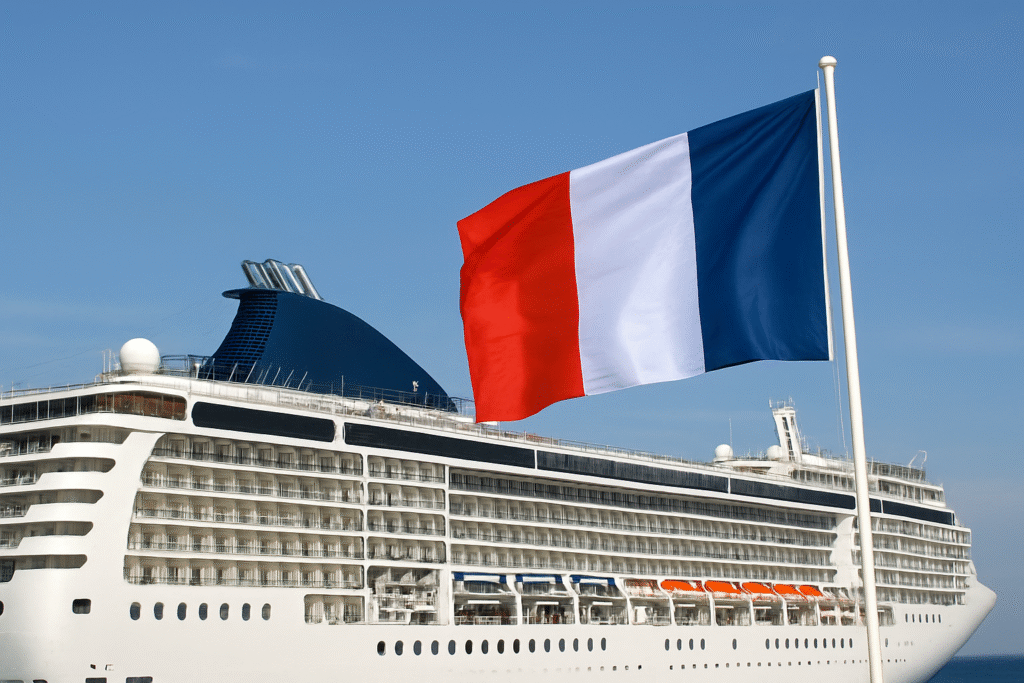
France is preparing to implement a new environmental levy targeting cruise tourism, introducing a €15 tax per cruise passenger arriving at French ports. This strategic move aims to reduce the environmental footprint of rapidly expanding cruise travel while funding the preservation of the country’s fragile coastal ecosystems. With tourism numbers rising sharply in ports such as Marseille, Cannes, and Nice, authorities are working toward a more sustainable balance between economic benefits and environmental safety.
The measure reflects a growing European shift toward responsible tourism policies and acknowledges the increasing pressures that large cruise vessels place on air quality, marine habitats, and coastal communities.
A Response to Rising Cruise Traffic and Environmental Strain
Cruise tourism in France has expanded dramatically in recent years. In 2023 alone, more than 3.8 million cruise passengers visited French ports—an increase driven by renewed global demand for ocean travel and the popularity of destinations along the iconic Côte d’Azur. While the economic benefits for local businesses are substantial, the environmental consequences have become harder to ignore.
Cruise vessels are among the largest emitters of sulfur oxides, nitrogen oxides, and carbon dioxide within tourism-related industries. Studies across Europe have shown that cruise ships collectively release millions of tonnes of greenhouse gases each year. Some of the world’s largest cruise companies generate emissions comparable to those of mid-sized cities, raising concern among environmental agencies and coastal authorities.
The French government’s new levy is expected to raise approximately €75 million annually. These funds will be allocated to projects including marine biodiversity protection, shoreline restoration, pollution monitoring, and climate adaptation initiatives in coastal areas. The tax follows the well-established “polluter pays” principle, compelling companies that benefit from French tourism infrastructure to contribute to preserving it.
Local Port Regulations Strengthen France’s Environmental Push
Several French municipalities have already introduced their own measures to counter the environmental stress caused by cruise ships. Cannes, a high-profile stop for Mediterranean itineraries, has announced a ban on vessels carrying more than 1,000 passengers starting January 2026. This policy is designed to limit the arrival of megaships whose emissions and anchor impacts pose a significant threat to marine ecosystems.
Nice, another major cruise gateway, has imposed restrictions on the annual number of ships permitted to dock, capping arrivals at 65 vessels per year. These local rules align with regional objectives to reduce pollution exposure for residents and preserve the cultural and environmental integrity of France’s famed coastal cities.
Such actions highlight a shift away from prioritizing volume-based tourism and toward promoting higher-value, sustainable travel experiences.
A Growing European Movement Toward Cruise Regulation
France is joining a broader European trend in reevaluating the environmental cost of cruise travel. Greece has introduced a climate resilience fee of €20 per passenger at major islands like Mykonos and Santorini, while smaller ports apply a €5 charge. These islands, overwhelmed by seasonal crowds, have been early adopters of policies designed to safeguard their landscapes.
Norway, known for its pristine fjords and northern coastal villages, permits local municipalities to impose a 3% tourism tax on cruise passengers. The revenue supports community services, infrastructure maintenance, and environmental protection programs. The effort has helped maintain the ecological stability of regions experiencing significant growth in ship arrivals, particularly in Arctic routes.
Across Europe, these measures signal a collective commitment to minimizing overtourism and prioritizing long-term sustainability in popular maritime destinations.
What Cruise Travelers Should Know
For passengers planning to visit France by sea, the new €15 cruise tax may slightly increase overall travel costs. However, travelers should view the fee as an investment in preserving the coastal beauty that draws millions to France each year. The tax supports efforts to reduce pollution, protect marine wildlife, and promote environmentally responsible travel policies.
Cruise lines may incorporate the fee directly into ticket prices or collect it through port charges, depending on company policy. Travelers are encouraged to review their booking details to understand how the tax is applied.
How Tourists Can Support Sustainable Travel in France
Beyond the new levy, travelers themselves can contribute to responsible tourism through thoughtful decisions during their journey:
Choose Eco-Conscious Cruise Lines
Look for operators that reduce emissions through cleaner fuel technology, advanced waste treatment systems, and certified sustainability programs.
Opt for Environmentally Friendly Excursions
Support local tour providers that promote low-impact activities, such as walking tours, cycling, or visits to conservation areas.
Visit Lesser-Known Ports
Exploring smaller destinations helps distribute tourism more evenly and reduces strain on major cities already managing heavy visitor traffic.
Reduce Personal Impact
Limit single-use plastics, participate in carbon offset programs when available, and respect local wildlife and protected areas.
France’s Continued Appeal as a Cruise Destination
Despite the new tax and stricter regulations, France remains one of the world’s most sought-after cruise destinations. Its blend of natural beauty, historic architecture, vibrant port cities, and cultural treasures—from the French Riviera to Normandy and Bordeaux—ensures continued demand among global travelers.
The introduction of the cruise levy underscores France’s dedication to sustainable tourism, reinforcing its commitment to protecting its marine environments while welcoming visitors from around the world.
For more travel news like this, keep reading Global Travel Wire