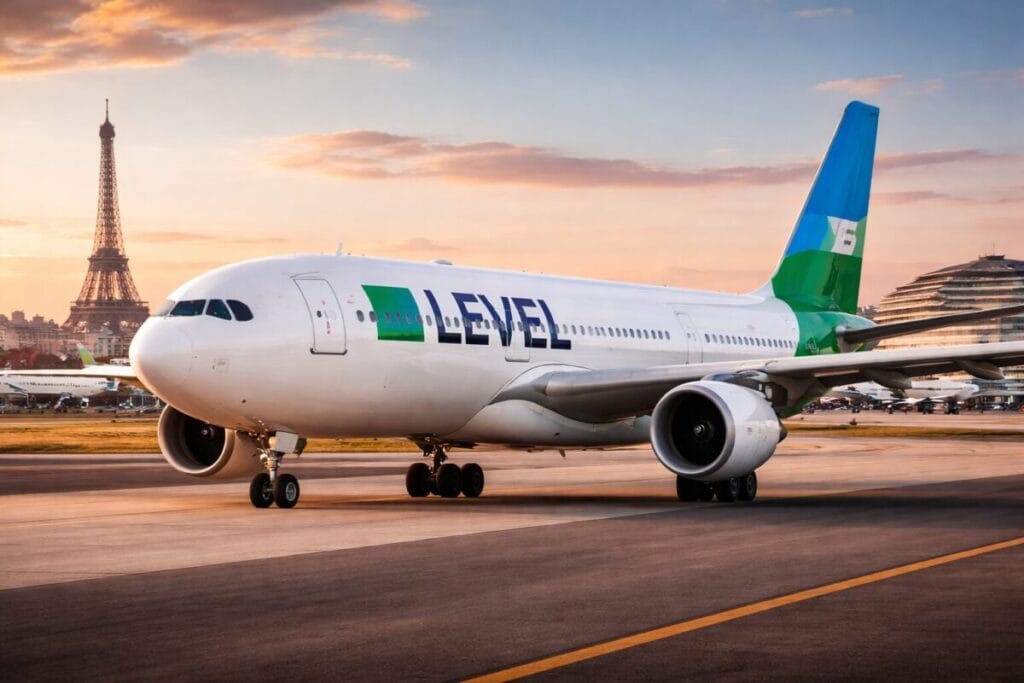
British Airways launched OpenSkies in 2008 to redefine premium transatlantic travel. The airline targeted business and luxury travelers seeking exclusive long-haul experiences between Europe and the United States. Operating primarily from Paris and Amsterdam, OpenSkies aimed to provide boutique-style service that differed from traditional mass-market airlines.
The launch followed regulatory changes that opened new opportunities for European carriers. The EU-US Open Skies Agreement allowed airlines to expand routes more freely across the Atlantic. British Airways saw an opportunity to create a niche product focused on comfort and personalized service.
Despite strong ambitions, OpenSkies faced operational challenges and industry shifts that ultimately led to a major transformation.
A Boutique Airline Designed for Premium Travelers
OpenSkies positioned itself as a luxury-focused airline. The company operated Boeing 757 aircraft configured with three classes, including a premium business-class product known for spacious seating and upgraded services.
The airline focused on routes connecting Paris and Amsterdam with major U.S. destinations such as New York, Washington DC, and Newark. Smaller aircraft allowed OpenSkies to serve specific markets with fewer passengers while maintaining a premium experience.
Travelers attracted to the brand appreciated shorter check-in times, comfortable cabins, and a boutique atmosphere. The strategy aimed to create a personalized alternative to larger transatlantic carriers.
Early Challenges and Competitive Pressures
The airline encountered challenges soon after launch. Labor disputes created tension during the early phase of operations. At the same time, global economic conditions affected demand for premium travel.
British Airways attempted to strengthen the airline’s position by acquiring L’Avion, a French carrier operating similar routes. This move expanded OpenSkies’ network and customer base. However, rapid expansion increased operational complexity.
Some routes failed to generate expected revenue, which forced adjustments to the network. The airline suspended certain services shortly after launch due to financial pressures. Competition from established airlines and evolving traveler preferences also created obstacles.
Market Changes Shift the Airline’s Strategy
The transatlantic market changed significantly during the early 2010s. Low-cost carriers began exploring long-haul routes, which increased price competition. Travelers also became more price-sensitive after economic downturns.
OpenSkies attempted to adapt by joining airline alliances and adjusting its fleet. In 2016, the airline introduced a Boeing 767 aircraft with a more traditional configuration. This change reflected a gradual shift away from purely boutique positioning.
Despite efforts to evolve, maintaining profitability remained difficult. Premium-focused niche airlines often face high operating costs compared to larger competitors.
The Transition Toward LEVEL France
International Airlines Group, the parent company of British Airways, decided to reposition the airline’s strategy. In 2017, executives announced plans to rebrand OpenSkies as LEVEL France. The transformation represented a significant shift from luxury-focused services toward low-cost long-haul operations.
LEVEL France launched operations in 2018 using Airbus A330 aircraft. These planes featured high-density seating designed to attract a broader range of travelers. The new configuration included a small premium economy section alongside a large economy cabin.
This strategic change aligned with industry trends toward affordable long-haul travel. Airlines recognized growing demand for budget-friendly transatlantic options.
The Rise of Low-Cost Long-Haul Travel
Low-cost long-haul models gained momentum during the past decade. Travelers increasingly seek affordable flights, even on intercontinental routes. Airlines respond by reducing operational costs and offering optional add-on services.
LEVEL France targeted routes from Paris to destinations such as New York and Montreal. The new brand focused on competitive pricing rather than exclusive luxury services. This approach allowed the airline to reach a larger audience and compete with emerging low-cost competitors.
Government tourism agencies often highlight improved connectivity as a driver of tourism growth. Affordable flights encourage more travelers to explore international destinations, which benefits local economies.
What the Transition Means for Modern Travelers
The shift from OpenSkies to LEVEL France reflects broader industry trends. Airlines increasingly balance cost efficiency with passenger comfort. Luxury-focused boutique airlines struggle to survive when market demand favors affordability.
For travelers, the transition created new options. Budget-conscious passengers gained access to long-haul flights at lower prices. Flexible travelers can customize their experience by choosing add-ons such as seat upgrades or extra luggage.
However, travelers seeking high-end services may notice fewer luxury-focused airline products. The industry continues shifting toward scalable models that appeal to larger customer groups.
Lessons from OpenSkies’ Journey
OpenSkies demonstrated how innovative airline concepts can reshape traveler expectations. The airline introduced unique cabin designs and personalized services that influenced later premium offerings across the industry.
At the same time, its transformation shows how market conditions drive strategic change. Airlines must adapt quickly to economic shifts, technological advances, and evolving traveler preferences.
Industry experts often view OpenSkies as an example of how niche airline concepts can inspire innovation while highlighting the risks of operating in highly competitive markets.
The Future of Transatlantic Travel
Long-haul aviation continues evolving as airlines experiment with hybrid business models. Some carriers combine low-cost pricing with optional premium services. Others focus on sustainable aviation initiatives and improved passenger experience.
LEVEL France represents one approach to this evolving landscape. By focusing on affordable travel, the airline aligns with growing demand for accessible international journeys.
Travelers planning future trips across the Atlantic should compare options carefully. Factors such as price, comfort, and service levels vary widely among carriers.
A Changing Industry with New Opportunities
The transition from OpenSkies to LEVEL France marks the end of a boutique airline era and the beginning of a new phase in transatlantic aviation. The story highlights how airlines adapt to survive in a rapidly changing industry.
As global tourism continues expanding, airlines will likely explore new ways to balance innovation, affordability, and sustainability. For travelers, these changes create more choices and opportunities to experience international travel in new ways.
For more travel news like this, keep reading Global Travel Wire