
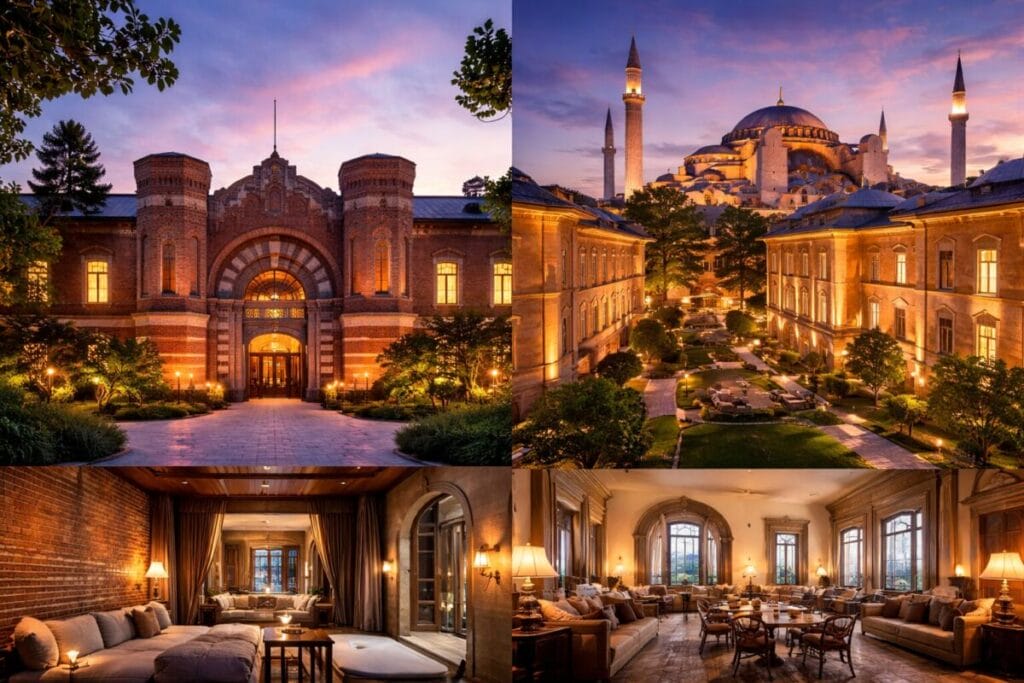
Tourism trends continue to evolve as historic buildings gain new life through adaptive reuse projects. Two former prisons in Japan and Turkey now stand at the center of a growing heritage tourism movement. Developers have transformed these once-restrictive spaces into luxury accommodations that combine cultural storytelling with modern hospitality.
Nara Prison in Japan and Sultanahmet Jail in Istanbul showcase how preservation and innovation can coexist. Both properties offer travelers immersive experiences that connect past and present while supporting local tourism growth.
Nara prison enters new era as high-end cultural destination
Nara Prison, built in 1908 during Japan’s Meiji era, holds significant architectural and historical value. The building once served as a detention facility, yet restoration efforts now prepare it for a new purpose as a luxury hotel scheduled to open in 2026.
Developers aim to preserve original architectural features while introducing contemporary comforts. Suites will occupy former prison cells, allowing guests to experience authentic historical surroundings without sacrificing luxury. Designers focus on maintaining red-brick facades, original layouts, and heritage materials.
The project supports Japan’s broader strategy to promote cultural tourism. Authorities encourage visitors to explore historical spaces through immersive stays rather than traditional museum visits. This approach strengthens emotional connections between travelers and heritage sites.
Strategic location enhances Nara’s tourism appeal
Nara already attracts visitors due to its rich cultural heritage and UNESCO-listed landmarks. The new hotel’s proximity to Todai-ji Temple, Nara Park, and historic shrines creates strong appeal for international tourists.
Travel planners expect the property to attract cultural enthusiasts seeking unique experiences. Guests can explore ancient temples during the day and return to a restored historic building at night. This combination of heritage exploration and luxury accommodation supports extended stays in the region.
Japan’s tourism authorities have emphasized experiential travel as a key growth strategy. Projects like this encourage deeper engagement with local history while diversifying accommodation options.
Istanbul’s Sultanahmet jail sets benchmark for adaptive reuse
In Istanbul, the former Sultanahmet Jail has already demonstrated how historical transformation can succeed. The building dates back to the early twentieth century and once housed political prisoners during the Ottoman period.
Today, the property operates as a luxury hotel located in one of the city’s most historic districts. Designers preserved architectural elements such as stone corridors and iron gates while adding modern interiors and high-end services.
Its central location near Hagia Sophia, Topkapi Palace, and the Blue Mosque strengthens its popularity among international visitors. Travelers enjoy direct access to major attractions while staying inside a building filled with historical narratives.
Heritage preservation drives innovative hospitality trends
Both projects highlight a growing global trend toward adaptive reuse in tourism development. Rather than constructing entirely new hotels, developers repurpose historical structures to preserve cultural identity. This approach reduces environmental impact while maintaining architectural heritage.
Travelers increasingly seek authentic experiences that reflect local history. Staying in a transformed prison offers a unique story that traditional hotels cannot replicate. Such properties attract visitors who value meaningful cultural engagement alongside comfort.
Governments and tourism boards support these projects because they preserve heritage while generating economic benefits. Restoration efforts often involve collaboration between architects, historians, and hospitality experts.
Luxury meets storytelling through immersive guest experiences
Guests at these properties encounter more than standard hotel amenities. Designers integrate storytelling elements into room design, common spaces, and guided tours. Former corridors may become galleries, while preserved features create conversation points.
Dining experiences also reflect local culture. Restaurants often incorporate regional cuisine and historical themes, allowing visitors to connect with destination traditions. Wellness areas and gardens provide balance between history and relaxation.
This fusion of heritage and luxury transforms accommodation into a cultural journey. Travelers leave with deeper understanding of the destination’s past.
Economic impact strengthens local tourism sectors
Adaptive reuse hotels support local economies through increased visitor spending and job creation. Cultural tourists often stay longer and spend more compared to traditional travelers. This pattern encourages sustainable tourism growth.
Nara expects increased international visibility following the hotel opening. Istanbul continues to benefit from heritage-focused accommodation that differentiates it from other global destinations.
Local businesses, including restaurants, tour operators, and retail shops, gain additional opportunities as visitor numbers grow. The presence of iconic hotels also strengthens destination branding.
Sustainable tourism aligns with heritage conservation goals
Restoration projects emphasize sustainability through reuse of existing structures and materials. Preserving buildings reduces construction waste and supports environmental objectives. Developers also integrate energy-efficient systems to meet modern standards.
Travelers increasingly choose accommodations aligned with environmental and cultural values. Heritage hotels meet these expectations by combining preservation with responsible tourism practices.
Governments encourage such developments because they protect historical assets while promoting tourism revenue.
Future outlook for heritage luxury tourism
The transformation of former prisons into luxury hotels signals a broader shift in global hospitality. Travelers now seek experiences that blend storytelling, authenticity, and comfort. Developers respond by reimagining historic buildings as immersive destinations.
Nara and Istanbul demonstrate how adaptive reuse can elevate tourism while preserving cultural identity. As more destinations explore similar concepts, heritage luxury hotels may become a defining trend in future travel experiences.
These projects show that even places once associated with confinement can evolve into symbols of creativity, preservation, and unforgettable hospitality.
For more travel news like this, keep reading Global Travel Wire