
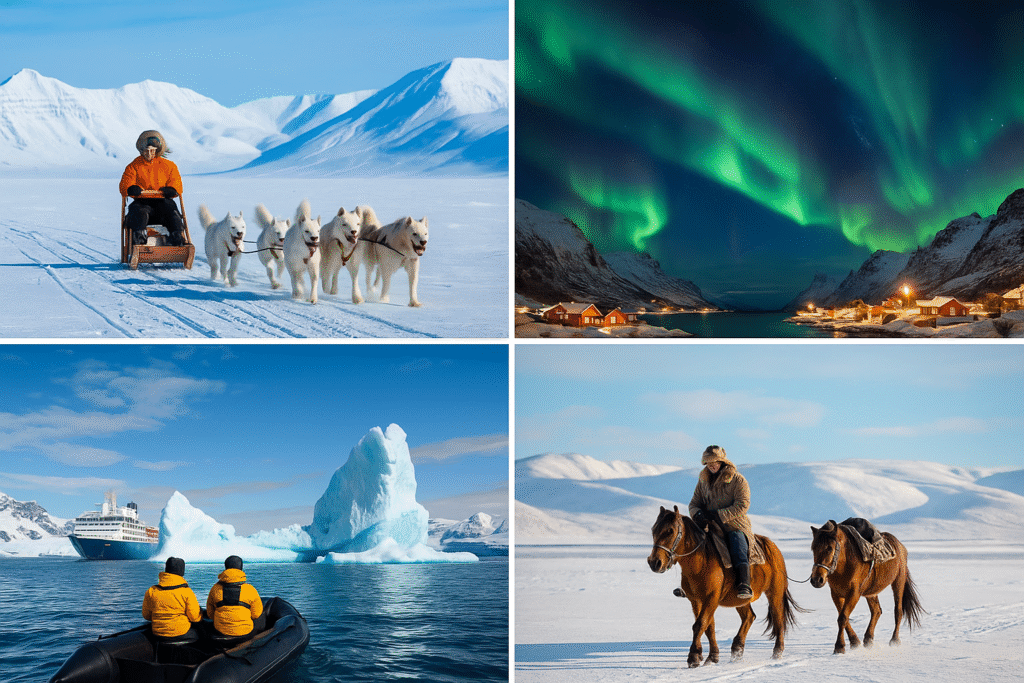
The world’s coldest destinations are emerging as the next big frontier in global tourism. Countries such as Greenland, Finland, Mongolia, and Antarctica are captivating travellers who seek experiences beyond ordinary vacations. From watching the aurora borealis in Finland to trekking across Mongolia’s frozen steppes or cruising along Antarctic ice shelves, these frozen wonderlands offer a blend of challenge, beauty, and discovery.
Modern travellers now view extreme cold as a playground for adventure. Activities like dog sledding, glacier hiking, and ice fishing have evolved into must-try experiences. Governments and tourism boards are also investing heavily in infrastructure, ensuring accessibility and comfort without losing the raw, untouched nature that defines these regions.
Finland: Dancing Lights and Arctic Magic
Finland remains one of the most sought-after destinations for cold-weather tourism. In Lapland, visitors ride reindeer sleds under star-filled skies or sleep in glass igloos while watching the Northern Lights. Snowmobiles race across icy tundras, and ice fishing on frozen lakes adds a rustic charm to the adventure.
The Santa Claus Village in Rovaniemi draws both families and thrill-seekers, turning Finland into a winter paradise. Travellers can also enjoy cozy log cabins, authentic saunas, and traditional Finnish cuisine while staying close to the wilderness. The blend of culture, comfort, and adventure makes Finland a model for sustainable Arctic tourism.
Mongolia: Life on the Frozen Steppe
In Mongolia, winter transforms vast grasslands into a white wilderness where temperatures can drop to -40°C. Yet, the cold only enhances the country’s appeal. Travellers immerse themselves in nomadic life, staying in traditional ger camps and joining locals for festivals and camel races on snow-covered plains.
Adventurers often trek through frozen valleys on horseback or visit natural hot springs, where steaming water contrasts the icy landscape. Mongolian winter travel offers authenticity—connecting visitors to one of the world’s last remaining nomadic cultures amid raw, untouched nature.
Iceland: Where Fire Meets Ice
Iceland continues to enchant travellers with its unique blend of glaciers, volcanoes, and geothermal springs. Between November and March, explorers can walk through crystal-blue ice caves or bathe in the Blue Lagoon, surrounded by snow.
Guided glacier hikes in Skaftafell National Park and waterfall tours across frozen landscapes make Iceland a year-round destination for those seeking thrill and serenity. The island’s geothermal energy and eco-conscious policies also make it a leader in sustainable winter tourism, balancing adventure with environmental responsibility.
Greenland: Icebergs, Fjords, and Endless Horizons
Greenland offers one of the most dramatic landscapes on Earth. Vast glaciers, iceberg-filled fjords, and colorful coastal villages define its charm. Visitors kayak through icy waters, trek across frozen tundra, and witness humpback whales near Ilulissat Icefjord, a UNESCO World Heritage Site.
Winter expeditions introduce travellers to the Inuit way of life, complete with dog sledding and traditional fishing. The remoteness and purity of Greenland’s environment create an unmatched sense of exploration. With growing investment in air connectivity and eco-lodges, Greenland is steadily becoming a top destination for extreme adventure tourism.
Canada: The Northern Wonderland
Canada’s winter tourism thrives in regions such as Yukon, Alberta, and Quebec, where frozen lakes and vast forests create a natural playground. Travellers skate along Ottawa’s Rideau Canal, explore Banff National Park, or watch the Northern Lights from Whitehorse.
Dog sledding, snowmobiling, and ice fishing are popular pursuits, while Indigenous cultural tours add a deep sense of heritage to the experience. Canada’s vast wilderness, combined with modern amenities, attracts both seasoned explorers and first-time adventurers looking for the perfect blend of safety and excitement.
Russia: The Soul of Siberia
Russia’s Siberian landscapes represent some of the coldest inhabited places on Earth. The village of Oymyakon sees temperatures plunge below -50°C, yet travellers venture there to experience the ultimate test of endurance.
In contrast, urban cities like St. Petersburg and Moscow transform into magical winter scenes filled with lights and snow. Lake Baikal, the world’s deepest freshwater lake, freezes into a natural skating rink surrounded by mountains. Visitors enjoy snowmobile safaris, husky rides, and winter festivals that highlight Russia’s unique mix of culture and resilience.
Antarctica: The Edge of the Earth
No destination defines extreme travel like Antarctica. The southernmost continent offers surreal beauty—towering icebergs, penguin colonies, and endless white horizons. Travellers reach it through guided expeditions from South America, often by cruise ships equipped for polar exploration.
Activities include kayaking among ice floes, hiking glaciers, and observing seals and whales in their natural habitat. The pristine environment and sheer isolation make Antarctica the pinnacle of adventure travel. Each visitor leaves with a profound appreciation for nature’s power and fragility.
The Global Rise of Cold-Climate Tourism
Cold destinations are reshaping travel preferences worldwide. More travellers now seek authentic, sustainable, and meaningful experiences instead of conventional vacations. These frozen regions offer exactly that—untouched beauty, cultural depth, and personal challenge.
Governments in countries like Finland, Canada, and Iceland are investing in eco-friendly accommodations and infrastructure, making cold-weather travel safer and more inclusive. Remote communities benefit from tourism through new jobs, improved facilities, and cultural preservation.
Environmental awareness has also grown. Travellers witnessing melting glaciers or changing weather patterns often become advocates for sustainability. Adventure thus becomes education, inspiring visitors to protect the planet’s most fragile ecosystems.
Adventure Meets Endurance
The fascination with extreme cold stems from a desire to test limits. Travelling in sub-zero conditions requires preparation, mental strength, and adaptability. For many, surviving the elements becomes a badge of accomplishment. Whether trekking across Mongolia’s frozen plains or standing on Antarctic ice, visitors gain not only breathtaking memories but also a sense of achievement and humility before nature’s force.
Modern technology now ensures safer exploration. Advanced gear, accurate weather systems, and professional guides make even the harshest destinations accessible. Travellers of all ages can now experience regions once reserved for explorers and scientists.
The Future of Frozen Tourism
Experts predict continuous growth in winter adventure tourism. As global travellers seek authentic and transformative experiences, destinations like Greenland, Iceland, Finland, and Antarctica will dominate travel lists.
The success of these regions lies in their balance—offering thrilling adventure while protecting nature and culture. With responsible tourism at the forefront, the world’s frozen wonderlands promise to remain timeless playgrounds for the curious and the brave.
Conclusion:
Cold-climate destinations redefine exploration. From Finland’s northern lights to Antarctica’s icy silence, these places challenge, inspire, and connect travellers to the planet’s most extraordinary environments. In a warming world, these frozen frontiers remind humanity of nature’s beauty, fragility, and enduring power.
For more travel news like this, keep reading Global Travel Wire