The Gulf region is undergoing a transportation transformation unlike any before. In 2026, several countries within the Gulf Cooperation Council (GCC) — including the Dubai (United Arab Emirates), Riyadh (Saudi Arabia), Doha (Qatar), Bahrain and Kuwait City (Kuwait) — are leading the charge in developing metro systems that are not just about connectivity, but about setting global benchmarks in technology, design and sustainability.
Dubai: Visionary Metro Expansion
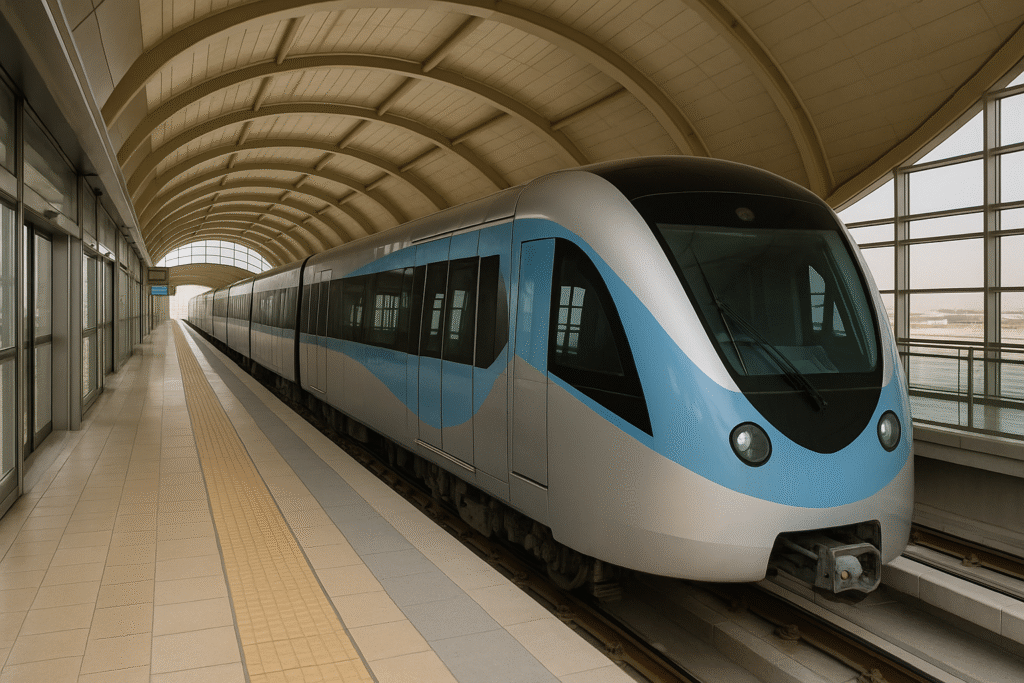
Dubai has long been synonymous with futuristic infrastructure, and its metro network continues in that direction. One of the key projects is the new metro line currently under development — a 30-kilometre expansion known as the “Blue Line” with 14 stations, set to connect the city’s key districts including Dubai Silicon Oasis and Dubai Creek Harbour. It’s designed to be not only a high-capacity transit link but also a landmark of modern design and urban mobility.
In parallel, the city is working on an underground electric transit corridor known as the “Dubai Loop,” slated to offer high-speed, low-impact urban travel starting in 2026. With top speeds, minimal carbon footprint and seamless integration into the wider transit network, Dubai is showcasing how metro systems can reshape travel patterns for residents and visitors alike.
Riyadh: Mixing Culture and Modern Transit
In Saudi Arabia’s capital, the Riyadh Metro is shaping up as a model for how metro architecture and cultural identity can merge. Stations such as the King Abdullah Financial District (KAFD) Station are being built not only with capacity in mind but sustainable design features like passive cooling, natural lighting and energy-efficient systems.
Another standout is the Qasr Al‑Hokm Station, designed by an international architectural firm and inspired by traditional Najdi architectural motifs. With slanted walls, sweeping stainless-steel canopies and expansive public spaces, this station reflects the ambition to make transit a destination in itself. Together, Riyadh is positioning its metro as a central pillar of its urban transformation — one that underscores the city’s global city aspirations.
Doha: Tradition Meets Innovation
Qatar’s metro system, particularly around the capital city of Doha, blends cutting-edge transit with national cultural expression. One of the most celebrated stops in the Doha Metro is the Msheireb Station, which uses vaulted architecture and contemporary materials to evoke classical Islamic forms. This station, along with others such as the elevated Al Riffa Station, is part of a broader strategy to make public transit aspirational, comfortable and culturally resonant.
For tourists and residents alike, the Doha Metro offers more than a ride: it offers a window into how modern infrastructure can honour tradition while serving fast-paced metropolitan life.
Bahrain: Autonomous Electric Transit
The Kingdom of Bahrain is also stepping into the future, with plans to roll out fully automated, self-driving electric trains as part of its upcoming metro network. These systems are designed to provide a low-carbon, efficient alternative to road travel and integrate seamlessly into broader regional projects.
One focal point is the integration of the metro network with the King Hamad International Passenger Station, which will act as a major transport hub connecting Bahrain domestically and regionally. The combination of electric vehicles, smart stations and high-capacity transit lines signals Bahrain’s commitment to next-generation urban mobility.
Kuwait: Planning Smart for the Future
While still in its early stages, Kuwait is also actively planning a metro system that will form part of the expanded GCC transit vision. Although the development timeline is longer and more prospective, the intent is clear: build a network integrating advanced technology, sustainability and connectivity with the broader Gulf region.
In parallel with metro plans, these projects tie into the larger GCC railway ambition — a multi-national scheme to link all six member states via rail by around 2030, promoting trade, travel and regional integration.
Why the Metro Boom Matters for Travel and Tourism
For travellers, the metro developments across the Gulf mean more than faster rides: they mean easier access to airport hubs, business districts, visitor attractions and suburban destinations. Metro systems reduce reliance on private cars, help ease traffic congestion, cut travel times and improve the visitor experience.
From a tourism standpoint, large-scale transit infrastructure enhances destination competitiveness. Cities that offer efficient, clean, comfortable transit are more attractive to business visitors, cultural travellers and short-stay tourists alike. Metro stations themselves become urban landmarks, photogenic meeting points and hubs of activity — adding dimension to the city’s tourism landscape.
Technology, Design and Sustainability Take Centre Stage
What sets this metro wave apart is focus on advanced technology and sustainable practices. Many of the stations and lines emphasise:
- Energy-efficient design: incorporating natural light, passive ventilation, solar systems and green materials.
- Smart systems: contactless payments, real-time passenger data, autonomous vehicles and advanced signalling.
- Architectural innovation: stations crafted as urban icons, blending cultural heritage with futuristic aesthetics.
- Integration: linking metro networks with airports, port facilities, commercial zones, tourism hot-spots and residential districts.
These features reflect a broader ambition: to build transit systems that are environmentally responsible, technologically advanced and integral to the urban fabric.
Regional Ambition and Economic Impacts
The metro expansion in the GCC is not isolated; it is part of a larger regional vision to invest hundreds of billions of dollars in rail infrastructure by 2030. One recent study estimated that up to 1,100 kilometres of additional metro track may be required across the region, potentially unleashing up to $700 billion in socio-economic benefits over the coming decades.
By improving public transit, the region aims to reduce traffic congestion costs, lower emissions, boost productivity and enhance quality of life for residents and visitors. For tourism, this means more reliable access to destination zones, less time spent commuting and more time exploring. Metro stations become part of the visitor journey, not just a means to an end.
Challenges and the Road Ahead
Despite the bold vision, challenges remain. Cost pressures, construction complexity, coordination across public and private sectors, and rapid urban growth all pose obstacles. Some projects are still in early phases and will evolve over years. Moreover, ensuring that metro systems deliver real value for visitors—not just residents—is critical. For tourism, integrating station access, wayfinding, visitor services and connectivity to attractions will determine success.
But the momentum is clear: by 2026, the GCC’s metro systems are no longer the future—they are already reshaping how cities move, how tourists experience them and how urban infrastructure supports growth.
Conclusion
The metro transformations underway in Dubai, Riyadh, Doha, Bahrain and Kuwait represent a turning point for urban mobility in the Gulf. For travellers and tourists, they promise faster, smarter, greener and more seamless journeys. For cities, they signal the emergence of transit systems that are as much about experience as they are about transport. As the GCC region sets the standard for metro innovation, the world is watching—and travelling.
For more travel news like this, keep reading Global Travel Wire