
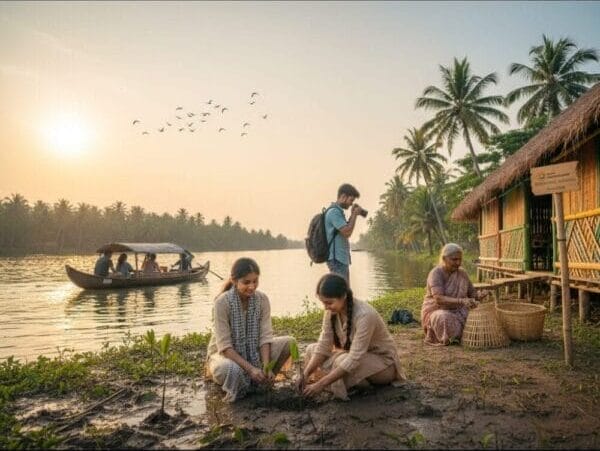
India’s tourism sector is undergoing a steady transformation driven by Gen Z. This generation forms the country’s largest and most connected demographic. Rather than loud activism, Gen Z influences change through everyday choices. Travel stands at the center of this shift.
India now sees young travelers shaping demand across destinations. Their preferences favor sustainability, authenticity, and purpose. These values increasingly guide tourism planning and investment.
A Values-Driven Approach to Travel
Gen Z travelers prioritize meaning over mass tourism. They choose destinations that reflect environmental care and cultural respect. Digital platforms amplify these preferences quickly.
Young Indians research destinations carefully. They assess ecological impact and community benefit. This mindset pushes tourism providers toward responsible practices.
Eco-conscious travel no longer sits at the margins. It now defines mainstream youth travel behavior across the country.
Sustainability Gains Momentum Across Destinations
Sustainable tourism has gained strong traction among Gen Z. Many travelers now select destinations known for conservation and community involvement.
Kerala has emerged as a favorite. The region promotes eco-tourism, backwater conservation, and low-impact stays. Young travelers value these efforts.
Demand has increased for eco-resorts, homestays, and nature-based experiences. Locally sourced food and guided cultural activities attract strong interest. These choices reduce environmental strain while supporting local livelihoods.
Domestic Travel Takes Center Stage
Domestic tourism has surged among Gen Z. Many young Indians now explore their own country before looking abroad. Improved infrastructure and digital access support this trend.
Goa continues to attract youth travelers for its beaches and creative culture. Jaipur draws visitors interested in history and design. Rishikesh appeals to wellness seekers and adventure travelers.
These destinations benefit from year-round youth travel. Smaller towns and regions also gain visibility through social sharing.
Government Campaigns Encourage Local Exploration
Public tourism initiatives have strengthened domestic travel interest. The Incredible India campaign highlights lesser-known destinations. Gen Z responds strongly to these narratives.
Campaigns emphasize diversity, culture, and sustainability. This messaging resonates with young travelers who seek discovery over familiarity.
As a result, travel disperses beyond traditional hotspots. Regional economies experience broader tourism benefits.
Heritage and Luxury Attract Young Travelers
Gen Z does not limit travel to budget experiences. Many young professionals now pursue heritage and luxury stays. They seek comfort paired with cultural depth.
Rajasthan has seen rising interest from Gen Z travelers. Restored palaces and heritage hotels offer immersive stays. These properties combine history with modern wellness and design.
Young travelers value curated experiences. Private tours, cultural workshops, and local cuisine enhance appeal. Disposable income growth in urban areas supports this trend.
Experience Over Possession Defines Choices
Gen Z values experiences more than material ownership. Travel fulfills this desire through memory and personal growth. Destinations that offer storytelling and interaction attract attention.
Cultural immersion plays a key role. Travelers want to learn crafts, traditions, and local history. These experiences feel personal and shareable.
Tourism providers now design itineraries around engagement rather than sightseeing alone.
Social Media Shapes Travel Decisions
Social media strongly influences Gen Z travel planning. Platforms like Instagram and YouTube guide destination discovery. Visual storytelling creates aspiration quickly.
Influencers who focus on sustainability and authenticity hold strong sway. Their content often highlights hidden locations and responsible travel practices.
This influence shifts attention away from overcrowded sites. Niche destinations gain popularity through organic exposure.
Tourism Industry Responds to New Expectations
The tourism industry has adapted to Gen Z expectations. Travel companies now offer flexible itineraries and personalized packages. Sustainability features appear more prominently in marketing.
Hotels promote green certifications and local partnerships. Tour operators emphasize community engagement. These changes reflect market demand rather than regulation alone.
Gen Z has accelerated innovation through consumer choice.
Economic and Cultural Impact Grows
Gen Z travel choices support regional development. Smaller destinations benefit from steady youth travel flows. Local businesses gain visibility and income.
Cultural preservation also benefits. Demand for authentic experiences encourages communities to protect traditions. Tourism becomes a tool for cultural continuity.
This shift supports long-term tourism resilience across India.
A Quiet but Powerful Transformation
India’s Gen Z may avoid mass protests, yet their influence remains strong. Travel choices now drive environmental awareness and cultural respect.
Their focus on domestic exploration strengthens national tourism. Their demand for sustainability shapes industry standards. Their interest in heritage elevates cultural tourism.
As this generation matures, its impact will deepen. India’s tourism future reflects their values and vision. Gen Z continues to reshape travel quietly, yet decisively, across the nation.
For more travel news like this, keep reading Global Travel Wire