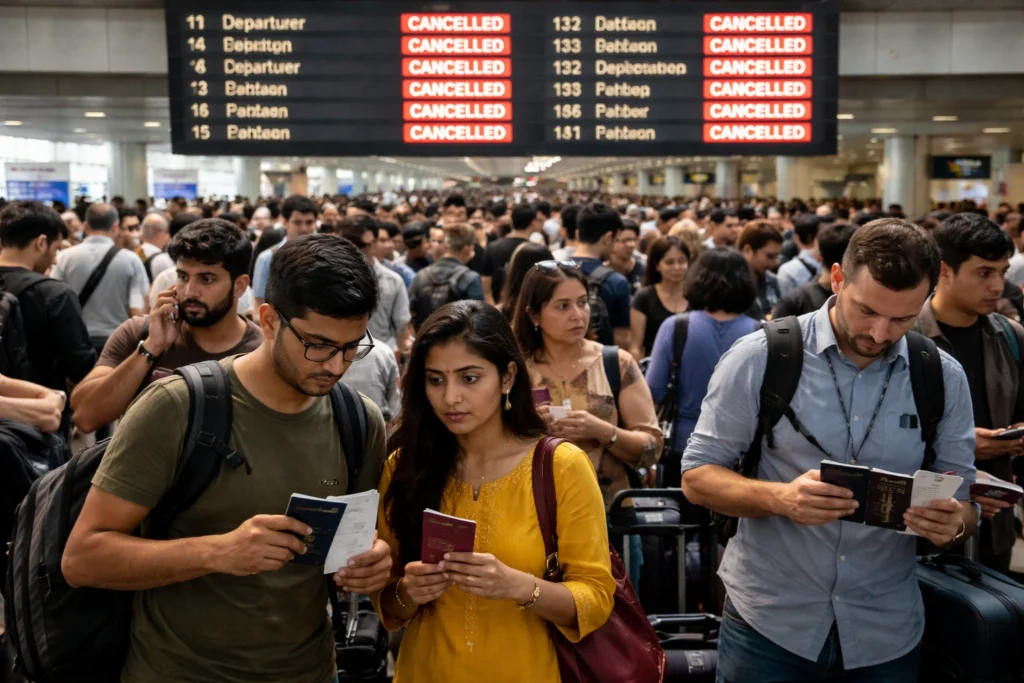
Canada is entering a new phase of travel management as it prepares for a significant rise in international arrivals ahead of major global events in 2026. In a move aimed at strengthening border screening while maintaining visa-free access for millions of travelers, Canada has confirmed the introduction of a CAD 7 electronic travel authorization (eTA) fee. Germany now joins a growing list of countries, including Croatia, Switzerland, Belgium, Qatar, Egypt, and New Zealand, whose citizens must account for this requirement when planning air travel to Canada.
The updated policy reflects Canada’s efforts to modernize its immigration system at a time when international tourism demand is accelerating. While the fee itself is modest, the change represents an important procedural shift for travelers who were previously accustomed to fee-free, streamlined entry.
Why Canada Introduced the eTA Fee
The electronic travel authorization system is designed to pre-screen visa-exempt travelers before they board flights to Canada. By collecting basic biographic and passport information in advance, Canadian authorities can assess eligibility and flag potential risks earlier in the travel process.
As Canada anticipates millions of additional visitors linked to large-scale international events, expanded tourism campaigns, and increased air connectivity in 2026, the government is placing greater emphasis on efficient border management. The CAD 7 fee supports the administration and maintenance of the digital screening system while helping authorities process higher volumes of travelers more effectively.
Countries Affected by the Change
The eTA requirement applies to travelers from visa-exempt countries who enter Canada by air. Germany, one of Canada’s strongest European tourism and business markets, is among the nations impacted. Other affected countries include Croatia, Switzerland, Belgium, Qatar, Egypt, New Zealand, and several more across Europe, the Middle East, and the Asia-Pacific region.
For travelers from these countries, the change does not mean a visa is required. Instead, it adds a mandatory pre-travel authorization step that must be completed before departure.
How the eTA Works
The eTA application is completed online and typically takes only a few minutes. Applicants provide passport details, basic personal information, and answer background questions related to health, security, and previous travel history.
Once approved, the eTA is electronically linked to the traveler’s passport and remains valid for up to five years or until the passport expires, whichever comes first. During its validity period, travelers can make multiple trips to Canada without reapplying, as long as they continue to meet entry requirements.
It is important to note that the eTA is only required for air travel. Travelers entering Canada by land or sea, including those crossing from the United States, are not required to hold an eTA.
What the eTA Does and Does Not Guarantee
While an approved eTA allows travelers to board flights to Canada, it does not guarantee entry. Canadian border officers retain full authority to determine admissibility upon arrival. Travelers may be asked to demonstrate the purpose of their visit, proof of sufficient funds, return or onward travel plans, and ties to their home country.
Any inconsistencies or missing documentation could result in delays or refusal of entry, even with a valid eTA.
Visitor Visas Still Required for Some Travelers
Not all travelers benefit from the eTA system. Citizens of certain countries continue to require a Temporary Resident Visa to enter Canada, regardless of travel purpose. This process involves additional documentation, higher fees, and, in many cases, biometric data collection.
Travelers should carefully verify whether they are eligible for an eTA or if a visitor visa is required, as arriving without the correct authorization can lead to denied boarding or refusal at the border.
Implications for Tourism and Airlines
The introduction of the CAD 7 eTA fee is expected to have a limited financial impact on travelers but a meaningful operational impact on travel planning. Airlines are required to verify that passengers hold valid travel authorizations before boarding, making compliance essential.
Tourism operators, travel agencies, and event organizers are increasingly advising clients to apply for their eTA as soon as flights are booked. This is particularly important as Canada approaches a peak travel period in 2026, when processing volumes are expected to rise significantly.
Preparing for Travel to Canada
Travelers from Germany and other affected countries are encouraged to plan ahead to avoid disruptions. Applying for an eTA early, ensuring passport validity, and preparing supporting travel documents can help ensure a smooth journey.
With global travel demand continuing to rebound, Canada’s updated entry requirements reflect a broader international trend toward digital border controls and pre-screening systems.
Looking Ahead
As Canada positions itself for one of the busiest travel periods in its history, the new eTA fee marks a balancing act between welcoming visitors and maintaining secure, efficient borders. For travelers from Germany, Croatia, Switzerland, Belgium, Qatar, Egypt, New Zealand, and beyond, understanding and complying with the updated rules will be essential.
By preparing in advance and staying informed, international visitors can continue to enjoy seamless access to Canada while navigating the evolving travel landscape leading into 2026.
For more travel news like this, keep reading Global Travel Wire