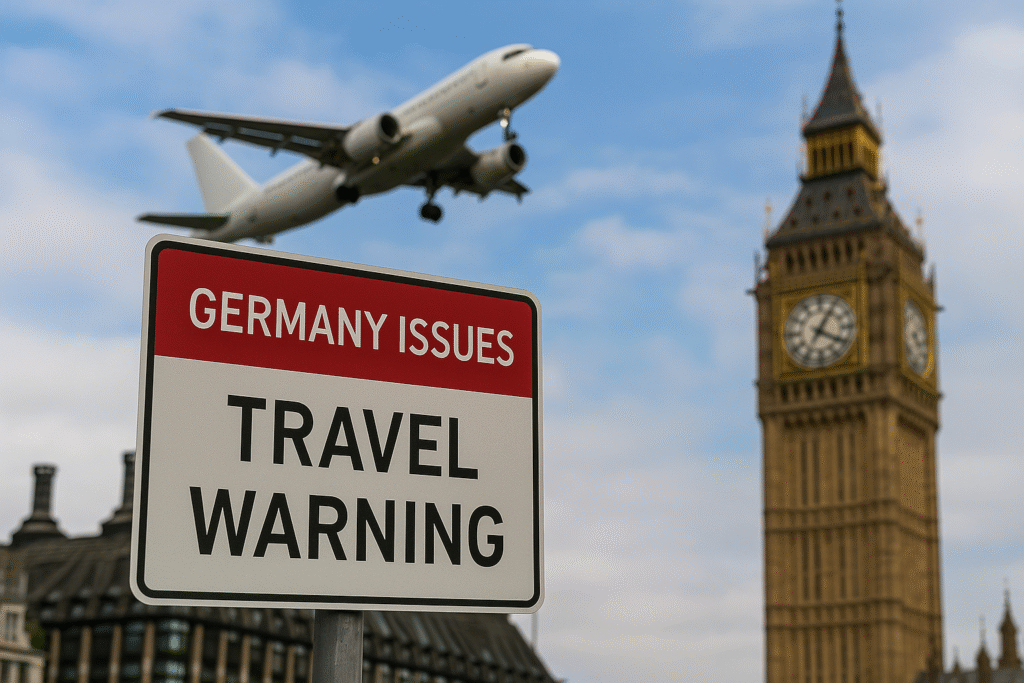
As global tourism rebounds, Germany has issued a serious travel warning for Fall 2025. The alert highlights rising dangers in several top tourist destinations. The United Kingdom, Jamaica, Afghanistan, Kenya, and Andorra now face increased scrutiny. The shift signals changing global risk trends and urges travelers to reassess plans.
Germany’s New Travel Advisory for Fall 2025
Germany has flagged multiple popular destinations as higher risk. The advisory cites a mix of security threats, political tension, and rising crime. German citizens are urged to reconsider nonessential travel to these countries or proceed only with extra caution. This marks a sharper tone compared to earlier guidance.
United Kingdom: Rising Security Threats
The UK now draws concern for its increasing security risks. Germany’s advisory points to the threat of terrorist incidents and the potential for political unrest. Large cities and high-traffic public venues are singled out as especially vulnerable zones. Visitors are warned to stay alert in crowded areas, use reliable transport, and avoid protest zones.
Travel protocols have also tightened. German travelers may now face stricter entry screening and surveillance. Authorities recommend staying updated with local alerts and steering clear of known flashpoints during periods of tension.
Jamaica: Crime Surge Clouds Tropical Appeal
Jamaica’s vibrant culture and scenic beaches remain strong draws. However, the country is experiencing a sharp rise in violent and petty crime. Tourist hubs such as Kingston, Montego Bay, and Ocho Rios see repeated reports of armed robbery, muggings, and assaults. Nighttime movement outside secure areas is discouraged.
The Jamaican government has deployed special security zones (Zones of Special Operations) to contain gang violence. Yet, risks persist. The German advisory stresses that tourists remain vigilant, avoid isolated districts, and minimize risky moves outside hotel compounds.
Political protests and demonstrations have also become more frequent in urban centers. While these are seldom aimed directly at tourists, sudden escalation is possible. Travelers should stay clear of crowds and seek alternative routes if unrest surfaces.
Afghanistan: Conflict and Kidnapping Dilemma
Afghanistan consistently ranks among the most dangerous countries for travel. Under Taliban rule, the country faces persistent violence, bombings, and a high risk of abductions. Western nationals and those with dual citizenship are especially vulnerable, facing severe danger and virtually no reliable consular protection.
Germany strongly dissuades any travel to Afghanistan. Citizens already in the country are urged to depart immediately, if safe. The advisory underlines that even transit or brief stops are fraught with peril given the volatile security climate.
Kenya: Terrorism and Instability on the Map
Kenya’s wildlife parks and safari appeal attract millions. But rising terrorist threats challenge its image as a safe safari destination. Extremist group al-Shabaab continues operations in border regions and targets public venues. Hotels, shopping centers, public transport hubs, and crowds are seen as potential targets.
The German travel warning flags northern and eastern Kenya—regions close to Somalia—as especially high risk. Road travel in those areas is discouraged. Visitors are urged to use domestic flights instead, stick to well-secured routes, and anxiously monitor updates. Periodic protests and tensions around election cycles also pose risks.
Andorra: Low Crime, But Legal & Terrain Hazards
In contrast, Andorra remains relatively safe from violent crime. However, Germany’s advisory notes growing petty theft in crowded areas and transport hubs. Small-scale theft, pickpockets, and scams may surprise unguarded tourists.
Additionally, Andorra’s mountainous terrain presents physical dangers. Remote trekking regions and high-altitude areas can become treacherous, especially in poor weather. Many routes lack robust infrastructure or emergency support.
Legal rules in Andorra also require close attention. Strict laws ban public alcohol consumption and any drug use, including cannabis. Violations carry heavy penalties. Travelers must obey local regulations to avoid trouble.
What Travelers Should Do
- Reassess itineraries – Avoid or limit stays in flagged countries or regions.
- Register with embassies – Stay enrolled in traveler registration systems for alerts.
- Track local news – Monitor developments and pause plans if unrest emerges.
- Use secure transport – Opt for vetted carriers, avoid unmarked cabs.
- Limit display of wealth – Carry minimal valuables and remain discreet.
- Follow rules – Know host country laws, and abide strictly.
- Adopt flexible booking – Use cancellation-friendly tickets and planning options.
Final Thoughts
Germany’s fresh travel advisory for Fall 2025 reveals shifting global risk patterns. Germany now cautions its citizens about the UK, Jamaica, Afghanistan, Kenya, and Andorra. Each country faces unique but serious threats—terrorism, crime, political upheaval, or natural hazards.
As world travel regains momentum, safety vigilance becomes paramount. Tourists and travel planners must now weigh rewards against increasing risk. In 2025, cautious travel isn’t pessimism—it’s prudent planning.
For more travel news like this, keep reading Global Travel Wire