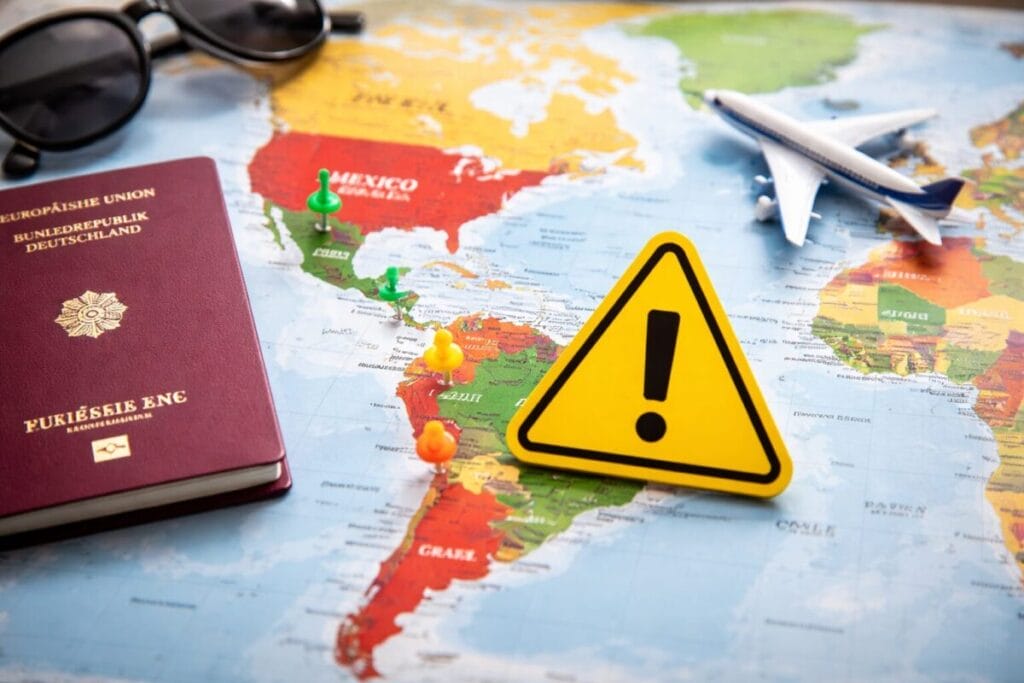
Germany has expanded its latest travel warning to include Mexico, joining the United States, Argentina, Brazil, and Chile on a growing list of destinations facing rising travel challenges. The advisory highlights stricter passport rules, increasing security risks, and frequent natural disasters that may disrupt travel plans.
The warning applies to German citizens but also serves as a strong signal for global travelers. These countries remain popular tourism hubs. Yet shifting conditions now demand greater awareness, preparation, and caution.
Why Germany Updated Its Travel Warning
Germany’s updated advisory focuses on three major risk areas. These include immigration compliance, personal safety, and environmental threats. Authorities stress that risks vary by region and can change quickly.
Travelers are urged to stay informed, follow local guidance, and prepare for sudden disruptions. The advisory does not ban travel. Instead, it calls for heightened caution and better planning.
Mexico Added to the Travel Warning List
Mexico’s inclusion reflects a mix of security concerns and tighter entry rules. It remains a top destination for culture, beaches, and food tourism. However, risks differ sharply across regions.
Rising Security Risks in Specific States
Certain Mexican states face high levels of organized crime and violence. These include areas affected by gang activity, armed robberies, and kidnappings. Border regions also carry added risks linked to migration pressures and illegal crossings.
Major tourist zones such as Cancún and central Mexico City continue to operate normally. Still, travelers are advised to remain alert, avoid unfamiliar areas at night, and follow hotel and local authority guidance.
Stricter Passport and Entry Requirements
Mexico has strengthened immigration checks at entry points. Visitors may need to show proof of accommodation, onward travel, and sufficient funds. Passport validity is closely checked, and travelers without proper documents risk denial of entry.
Advance preparation is now essential to avoid delays or refusal at immigration counters.
United States Faces Weather and Social Risks
The United States remains a major travel destination. Yet Germany’s advisory points to growing disruptions linked to weather extremes and social tensions.
Severe Weather Events Disrupt Travel
Large parts of the US experience intense winter storms, heatwaves, hurricanes, and wildfires. These events can ground flights, close highways, and disrupt public services.
Travelers are advised to monitor weather alerts and allow flexibility in travel schedules, especially during peak seasons.
Social and Political Unrest
Some cities have seen protests linked to political and social issues. While most demonstrations remain peaceful, they can escalate quickly. Tourists are advised to avoid large gatherings and follow local news updates.
Argentina Flagged for Fires and Transport Disruptions
Argentina draws visitors for nature tourism, wine regions, and urban culture. Recent developments have increased travel uncertainty.
Forest Fires Affect Southern Regions
Wildfires in Patagonia and nearby provinces have led to evacuations and park closures. Smoke and road closures have also disrupted domestic travel.
Visitors planning outdoor activities should check local conditions and be ready to adjust routes.
Frequent Strikes and Road Blockades
Labor strikes and protests often disrupt transport networks. Roadblocks can appear without warning, affecting buses, flights, and city access. Travelers should plan extra time and stay informed through local sources.
Brazil Remains Challenging for Urban Travel
Brazil’s tourism appeal remains strong, but crime remains a key concern in several cities.
High Crime Levels in Major Cities
Large urban centers report frequent thefts and armed robberies. Tourist areas, public transport, and beaches are common targets.
Travelers should avoid poorly lit areas, limit valuables, and use trusted transport options, especially at night.
Border and Political Tensions
Border areas, particularly in the north, face instability linked to smuggling and organized crime. Sudden security operations or closures are possible, making these regions unsuitable for leisure travel.
Chile Added Due to Natural and Social Risks
Chile is known for stability, but regional challenges persist.
Earthquakes, Fires, and Flooding
Chile lies in an active seismic zone. Earthquakes and volcanic activity remain ongoing risks. Seasonal forest fires and heavy rainfall can also disrupt travel, especially in southern regions.
Regional Political Unrest
Parts of southern Chile experience protests and roadblocks tied to land disputes. These incidents may involve arson and transport disruptions. Travelers are advised to avoid affected areas after dark.
Key Travel Advice for Visitors
Travelers heading to these destinations should take the following steps seriously:
- Check passport validity and entry rules well in advance
- Avoid high-risk regions and political gatherings
- Monitor weather alerts and natural hazard warnings
- Secure comprehensive travel insurance
- Follow local authority guidance at all times
Final Outlook for International Travelers
Germany’s updated travel warning reflects a changing global travel landscape. Mexico’s addition underscores how safety, climate, and immigration policies now shape tourism decisions.
These destinations still offer rich travel experiences. However, careful planning and real-time awareness are now more important than ever. Travelers who stay informed and flexible can reduce risks and travel with greater confidence.
For more travel news like this, keep reading Global Travel Wire