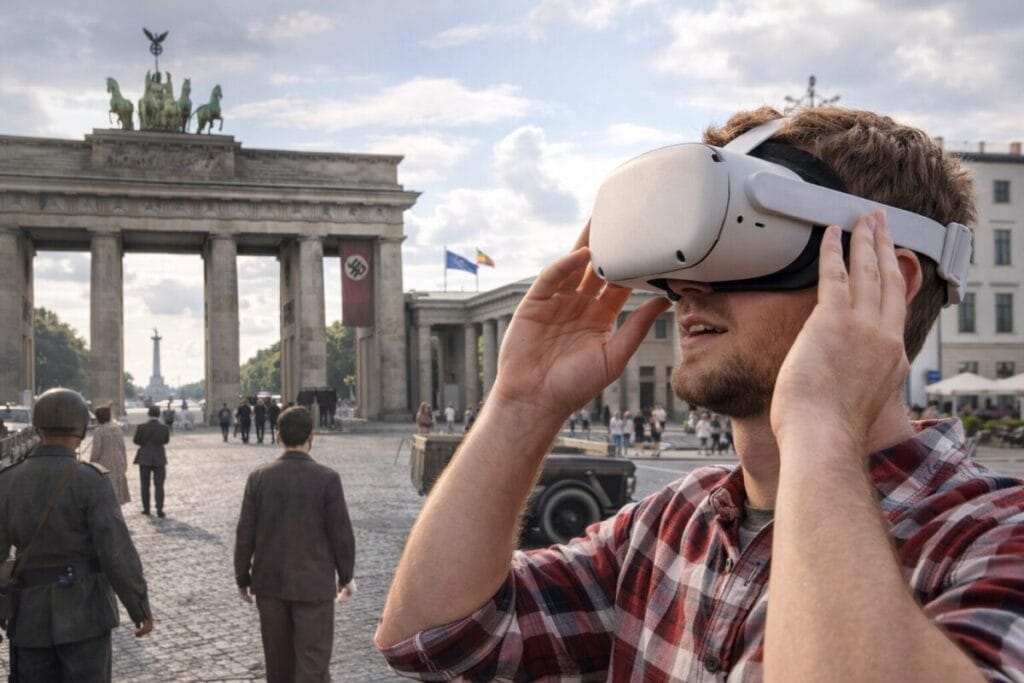
Germany is redefining the future of travel through an ambitious integration of immersive technology into its tourism industry. With a reputation for engineering precision and a deep cultural legacy, the country is now using innovations such as virtual reality (VR), augmented reality (AR), and interactive digital experiences to bring history, heritage, and destinations vividly to life. The initiative is transforming the way both domestic and international tourists explore Germany’s storied past and vibrant cities.
Embracing Immersive Tourism: Germany’s Digital Transformation
Spearheaded by the German National Tourist Board (GNTB), the country’s strategy for immersive tourism places technology at the heart of cultural storytelling. By combining traditional experiences with futuristic tools, Germany ensures that tourists are not just observers, but active participants in their journeys.
This strategy aligns with the growing global trend of digital-first tourism, where travellers seek more interactive, engaging, and personalised experiences. AR and VR serve as key enablers in this transformation, making historical landmarks, museums, and city tours more dynamic and memorable.
Virtual Time Travel with TimeRide
One of the most innovative examples of Germany’s tech-savvy tourism is TimeRide, a VR-based attraction that allows tourists to “travel back in time.” Currently operating in cities like Berlin, Munich, Dresden, and Cologne, TimeRide uses high-resolution virtual reality simulations to recreate pivotal historical moments in immersive 360-degree environments.
In Berlin, visitors can experience life during the Cold War, moving through a digitally reconstructed version of a divided city. In Munich, TimeRide explores the city’s royal history. These experiences combine VR headsets with actual guided tours, blending real-time movement with digital interaction to deliver a uniquely educational and emotional journey.
The success of TimeRide highlights how Germany is using technology not to replace physical travel, but to enrich it—by offering context, storytelling, and emotional resonance.
Augmented Reality Revives Castles and Cultural Sites
Germany’s famous castles and UNESCO World Heritage sites are now being reimagined through augmented reality applications. Historical icons like Neuschwanstein Castle, Charlottenburg Palace, and Moritzburg Castle have been digitally mapped and transformed into 3D models that tourists can explore on mobile devices.
Using smartphones or tablets, users can scan markers at heritage sites or download apps that superimpose digital reconstructions onto the real world. This allows them to see what these castles looked like in their prime, how they evolved, and who lived within their walls. AR helps bridge the gap between past and present, offering a powerful visual aid to support historical education.
AR-Powered Urban Exploration
Germany is also integrating location-based augmented reality games to encourage deeper exploration of urban areas. Platforms like Cluetivity, developed in Berlin, turn city tours into interactive games using GPS and AR overlays. These digital treasure hunts incorporate riddles, puzzles, and stories to guide participants through historic streets, hidden courtyards, and iconic landmarks.
Such gamified experiences appeal to younger travellers, families, and tech-savvy tourists. They create a more hands-on way to engage with local culture and often highlight areas that are not included in standard tour itineraries, thereby boosting footfall in lesser-known parts of cities.
Virtual Previews for Travel Planning
For those planning trips to Germany, the GNTB has launched VR previews of key attractions. These immersive videos allow prospective tourists to “visit” Germany from home before booking flights or hotels. By experiencing the visual and emotional impact of a site virtually, travellers can make more informed and inspired travel choices.
Such previews also play an important role in making destinations more accessible. Travellers with mobility challenges, seniors, or cautious tourists can explore locations virtually, helping them build confidence before embarking on physical trips.
Enhancing Accessibility and Inclusion Through Technology
Immersive tourism isn’t just about novelty; it’s about accessibility. AR and VR tools give broader access to travellers who might otherwise face barriers, whether due to distance, physical limitations, or language differences. Audio guides, subtitles, and multiple language options in digital experiences ensure that Germany’s heritage is open to everyone, regardless of background or ability.
The digital initiatives also serve the education sector, allowing students and young travellers to engage with historical content in ways that traditional tours or textbooks might not offer. Interactive learning fosters curiosity and emotional connection, two key drivers of tourism among new generations.
Data-Driven Tourism Strategy
Germany’s use of immersive technologies is backed by data and strategic insights. The GNTB continues to analyse global travel behaviour, technological adoption, and engagement metrics to refine its digital campaigns. Artificial intelligence tools are already in use to help personalise content, offer chatbot assistance, and deliver relevant destination recommendations.
By merging AI with immersive tech, Germany is paving the way for hyper-personalised travel experiences—where a tourist’s interests, preferences, and past behaviour shape their journey through real-time digital suggestions and tailored itineraries.
Sustainability Meets Digital Innovation
Germany’s immersive tourism strategy is also aligned with sustainability goals. Virtual experiences can reduce the impact of over-tourism in fragile sites by redirecting interest to virtual tours or AR-enhanced alternatives. It supports conscious tourism by offering detailed insights into cultural contexts, thus fostering greater appreciation and respect for heritage.
Additionally, the digitisation of brochures, maps, and guides into AR apps or QR-accessible content reduces the need for printed materials, aligning tourism efforts with environmental sustainability.
A Blueprint for the Future of Global Tourism
Germany’s success in embedding immersive technology within its tourism infrastructure serves as a model for other countries. From tech-powered walking tours to digital previews of iconic sites, the country is redefining what it means to explore, learn, and connect during travel.
With immersive tools continuing to evolve, Germany remains committed to innovation, ensuring that its tourism industry meets the expectations of a digital generation while honouring the timeless stories of its past.
For more travel news like this, keep reading Global Travel Wire