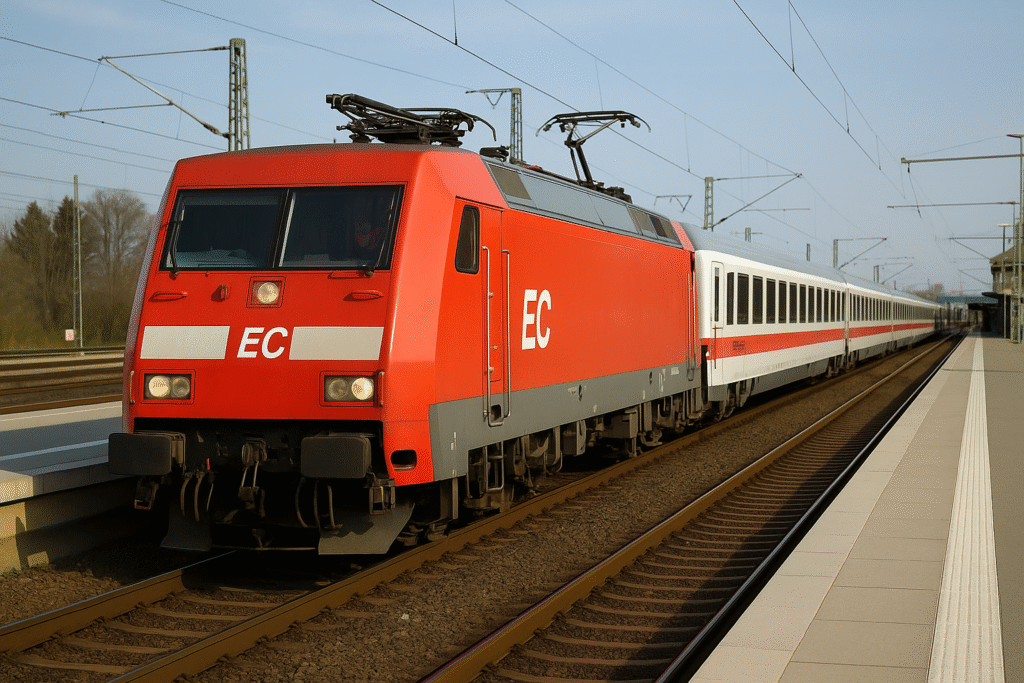
Rail travel between Central Europe and Poland has entered a new era with the launch of a direct EuroCity train service connecting Leipzig with Wrocław and Kraków. This new connection marks a significant shift in cross-border mobility, offering passengers a faster, more comfortable, and environmentally friendly alternative to road and air travel. By removing the need for transfers and streamlining journey times, the service is transforming how travelers move between Germany and southern Poland.
The direct EuroCity trains reduce the travel time between Leipzig and Wrocław to approximately three and a half hours, while the journey to Kraków now takes around seven hours. These improvements position rail as a competitive choice for both leisure and business travelers, particularly as sustainability becomes a growing priority across Europe.
Seamless Travel Without Transfers
One of the most notable advantages of the new EuroCity line is the elimination of train changes along the route. Previously, passengers often had to transfer in intermediary cities, adding complexity and time to their journeys. The new direct service offers a smooth, uninterrupted travel experience from central Germany to key Polish destinations.
This seamless connectivity is especially appealing to international tourists and frequent travelers who value simplicity and reliability. The direct route enhances comfort, reduces travel stress, and makes long-distance rail journeys more attractive to a wider audience.
Strengthening Links Between Germany and Poland
The Leipzig–Wrocław–Kraków route significantly reinforces the already strong rail relationship between Germany and Poland. As two of Europe’s most interconnected economies, improved transport links support not only tourism but also trade, education, and cultural exchange.
Southern Poland, including cities such as Kraków and Wrocław, has become increasingly important economically and culturally. Easier access from Germany allows travelers to explore historic city centers, cultural landmarks, and regional attractions while encouraging short city breaks and extended stays.
Benefits for Regional and Intermediate Cities
Beyond the major cities, the new EuroCity service also delivers meaningful benefits to smaller towns along the route. Cities such as Riesa, Hoyerswerda, Elsterwerda, and Ruhland now enjoy direct stops, improving their access to international rail travel. This enhanced connectivity helps integrate regional communities into the broader European transport network.
In addition, synchronized connections make it easier for travelers from Chemnitz, Dresden, Görlitz, Cottbus, and even Berlin and Berlin Brandenburg Airport to access the new service. These optimized links improve the efficiency of the wider rail system and make cross-border travel more accessible for passengers across Germany.
Economic, Strategic, and Tourism Impact
The introduction of the direct EuroCity line carries strong economic and strategic importance. Improved rail connections support cross-border labor mobility, business travel, and investment opportunities between Germany and Poland. Easier access to southern Poland also enhances connectivity toward Eastern Europe, reinforcing the region’s role as a transport corridor.
From a tourism perspective, the new service opens fresh opportunities for cultural exploration. German travelers gain easier access to Poland’s historic cities, while Polish visitors benefit from improved links to Germany’s urban and cultural centers. The result is a mutually beneficial boost to tourism flows, hospitality demand, and local economies on both sides of the border.
Responding to Growing Demand for Sustainable Travel
Demand for international rail travel between Germany and Poland has been steadily increasing, driven by environmental awareness and improved infrastructure. Rail travel offers a lower-emission alternative to flying, aligning with European climate goals and passenger preferences for greener transport options.
The new EuroCity route reflects a wider European trend toward strengthening cross-border rail services. By prioritizing speed, comfort, and sustainability, countries across the continent are positioning rail as a central pillar of future mobility.
Investments Driving Cross-Border Connectivity
The successful launch of the Leipzig–Poland EuroCity service is the result of long-term investment in cross-border rail infrastructure. Significant funding has been directed toward modernizing tracks, signaling systems, and stations to ensure reliable and efficient international services.
These investments are not only improving travel quality but also reinforcing cooperation between neighboring countries. Strong rail links contribute to economic resilience, social exchange, and long-term regional stability, particularly at a time when connectivity across Europe is increasingly important.
Modern Comfort, Accessibility, and Ticket Options
Passengers on the new EuroCity line travel in modernized carriages offering over 300 seats, designed for comfort on medium- and long-distance journeys. Mandatory seat reservations ensure a relaxed travel experience, while ticket availability months in advance allows travelers to plan with confidence.
The optimized connections in Leipzig also significantly reduce overall travel times for passengers coming from cities such as Munich, Nuremberg, Erfurt, and Frankfurt. This makes the service attractive not only for direct travelers but also for those connecting from across Germany.
A Major Step Forward for European Rail Travel
The launch of the direct EuroCity trains between Germany and Poland represents a major milestone in Central European rail connectivity. Faster journeys, direct routes, and improved regional access make rail travel more appealing than ever for tourists and business travelers alike.
As Europe continues to invest in efficient and sustainable transport solutions, this new connection stands as a clear example of how modern rail services can strengthen international ties, support tourism growth, and offer travelers a smarter way to explore the continent.
For more travel news like this, keep reading Global Travel Wire