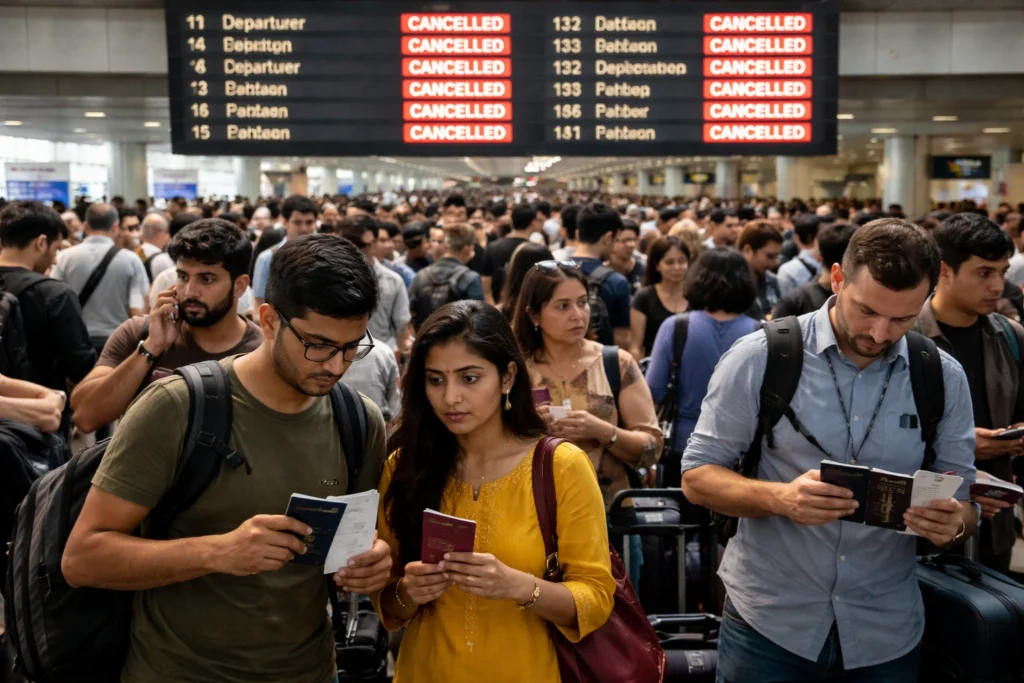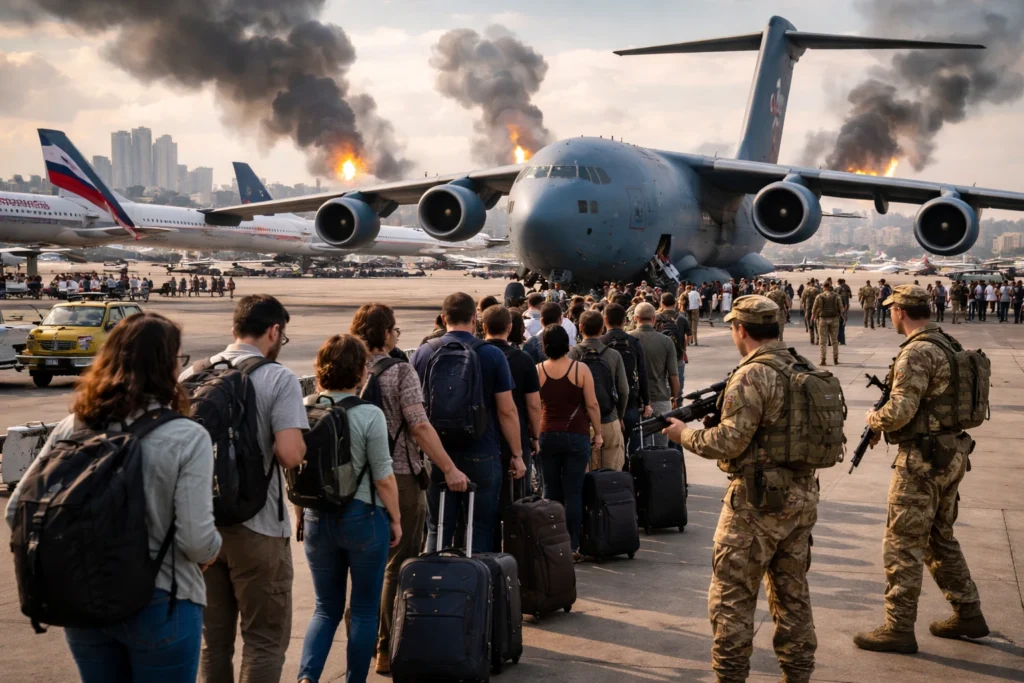
The global travel industry faces a serious crisis. Rising fuel prices now impact airlines, tourism, and global mobility.
Tensions around the Strait of Hormuz and threats to Fujairah Port have disrupted energy supply routes. These developments affect oil and LNG flows worldwide.
Travel costs continue to rise as fuel prices increase. Airlines and travelers now face growing uncertainty.
Strait of Hormuz Disruption Shakes Energy Markets
The Strait of Hormuz handles a large share of global oil transport. A disruption here affects energy supply across continents.
Fujairah serves as a critical backup route for oil exports. However, its capacity remains limited compared to the main corridor.
Any threat to this infrastructure creates immediate market reactions. Oil prices rise quickly, affecting multiple industries.
Aviation Sector Faces Rising Operational Costs
Airlines rely heavily on fuel for operations. Rising oil prices increase aviation fuel costs significantly.
Airlines must adjust ticket prices to maintain profitability. This leads to higher airfares for travelers.
Some carriers may reduce routes or capacity. This reduces connectivity across global travel networks.
United Kingdom Experiences Travel Cost Pressure
The United Kingdom faces strong economic pressure from rising energy costs. Increased fuel prices affect both aviation and household expenses.
Higher airfares reduce demand for international travel. Tourism businesses may experience lower bookings.
Business travel may also decline due to rising operational costs. This impacts conferences, events, and trade activities.
United States Sees Ripple Effects Across Travel Industry
The United States may produce energy domestically, but global price changes still affect the market.
Higher fuel costs impact airlines, road travel, and cruise operations. Travelers face increased expenses across all transport modes.
This situation reduces discretionary travel spending. Tourism demand may decline as costs rise.
Canada Faces Regional Fuel Supply Challenges
Canada’s eastern regions depend on imported energy. Disruptions in global supply chains affect these areas directly.
Airlines operating from major cities may increase ticket prices. Travel demand could decline in affected regions.
Road and cruise travel also face higher operating costs. This creates a broader impact on tourism activity.
Europe Experiences Widespread Economic Impact
European economies rely on stable energy supplies. Countries like Germany, Italy, and the Netherlands face rising costs.
Industrial activity may slow due to higher energy expenses. This affects business travel and tourism demand.
Airlines across Europe must adjust pricing strategies. Travelers may reduce international trips as costs increase.
Asia and Emerging Markets Feel Strong Pressure
Countries like India and China depend heavily on imported energy. Rising oil prices affect transportation and logistics.
Airfares increase, reducing both domestic and international travel demand. Tourism growth may slow significantly.
Economic pressure also affects consumer spending. Travelers may delay or cancel planned trips.
South America Faces Rising Travel Costs
Brazil and other South American nations rely on imported fuel. Increased costs affect aviation and ground transport.
Airlines may reduce frequency on key routes. This limits travel options for both business and leisure travelers.
Tourism affordability declines as travel expenses rise. This impacts regional economies dependent on tourism.
Global Supply Chains Influence Travel Trends
Energy disruptions also affect global supply chains. Shipping costs rise due to higher fuel prices.
Air cargo and logistics face similar challenges. This increases costs for tourism related industries.
Hotels, restaurants, and transport providers must adjust pricing. This creates a chain reaction across the travel sector.
Travelers Adjust to Rising Costs and Uncertainty
Travelers now face higher costs across all aspects of travel. Flights, accommodation, and local transport have become more expensive.
Many travelers may choose shorter trips or closer destinations. Others may postpone travel plans entirely.
Flexibility and planning have become essential for modern travel. Travelers must adapt to changing conditions.
Future Outlook for Global Travel Remains Uncertain
The travel industry must prepare for continued volatility. Energy markets will influence travel costs and demand.
Airlines and tourism businesses must remain adaptable. Strategic planning will play a key role in recovery.
The current crisis highlights the link between energy and travel. Future stability will depend on resolving global supply challenges.
For more travel news like this, keep reading Global Travel Wire