







A growing energy crisis is beginning to reshape global travel dynamics as rising geopolitical tensions threaten oil supplies across key international markets. Countries including Italy, the United Kingdom, Germany, France, Spain, India, China, and Thailand are facing increasing concern over fuel availability and rising costs, which could significantly impact tourism, aviation, and transportation.
The situation is being driven by escalating conflict in the Middle East, where critical oil infrastructure and shipping routes are under pressure. The Strait of Hormuz, one of the world’s most important energy corridors, has become a focal point of uncertainty, raising fears of supply disruption and price volatility.
Oil Supply Concerns Spread Across Major Economies
The Strait of Hormuz handles a significant portion of global oil shipments, making it vital for energy security worldwide. Any restriction or disruption in this narrow maritime route has immediate consequences for oil prices and supply chains.
As tensions increase, countries heavily dependent on imported oil are preparing for potential shortages or price spikes. Nations with lower strategic reserves are particularly vulnerable, as they have limited capacity to absorb prolonged disruptions.
The current scenario has triggered concerns of an “oil drought,” where supply constraints could lead to sustained increases in fuel costs across multiple sectors.
Aviation Sector Faces Immediate Impact
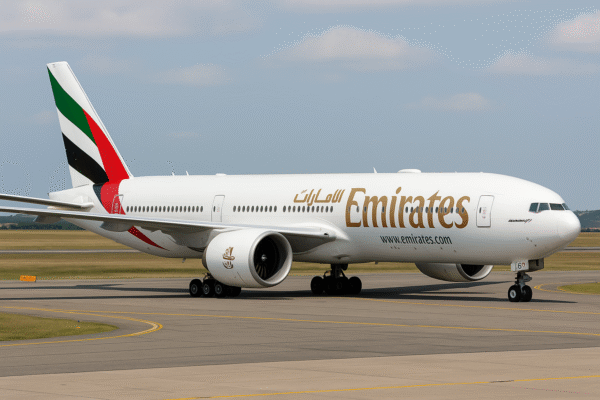
Airlines are among the first industries to feel the pressure of rising fuel costs. Aviation turbine fuel represents a major portion of airline operating expenses, and even small increases in oil prices can significantly affect profitability.
With fuel costs climbing, airlines are expected to adjust fares, reduce capacity, or introduce additional surcharges. Long-haul routes connecting Europe, Asia, and the Middle East are likely to see the most noticeable increases, as they consume the highest volumes of fuel.
In addition, ongoing airspace restrictions in the region are forcing airlines to take longer routes, further increasing fuel consumption and operational expenses.
Europe Braces for Higher Travel Costs
European countries are preparing for the economic ripple effects of rising oil prices. While many nations maintain strategic reserves that can provide temporary relief, they remain exposed to global price fluctuations.
Countries such as Italy and Spain, which rely heavily on tourism, may experience shifts in travel demand as higher fuel costs translate into increased airfare and transportation expenses. Road travel, car rentals, and logistics operations are also expected to become more expensive.
France and Germany, with relatively stronger energy buffers, may manage supply stability more effectively, but they are still likely to see rising travel costs, particularly in aviation.
United Kingdom Faces Price Sensitivity
The United Kingdom is particularly sensitive to global oil price movements due to its market-linked energy system. Even without a direct supply shortage, rising international prices can quickly translate into higher fuel costs domestically.
This could lead to increased airfares, higher petrol and diesel prices, and more expensive public transport. For travellers, the result may be reduced spending power and more cautious travel planning.
Asia Experiences Stronger Impact
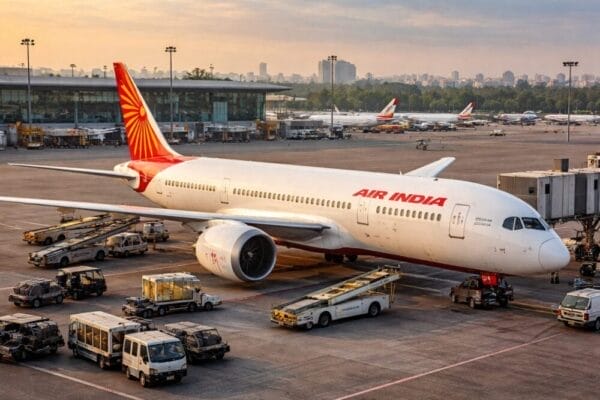
Countries in Asia, especially those with higher dependence on Gulf oil, are expected to face sharper effects. India, with significant reliance on imported energy, could see rapid increases in fuel prices, directly affecting aviation and road transport.
Airfares on international routes may rise substantially, while domestic travel costs could also increase. This may lead to a slowdown in outbound tourism and changes in travel patterns.
China, with larger strategic reserves, is better positioned to manage short-term supply challenges. However, it will still face higher costs as it seeks alternative energy sources and adjusts supply chains.
Thailand, another tourism-driven economy, could experience strong pressure as fuel price increases impact both airlines and ground transportation, potentially influencing visitor demand.
Tourism Industry Faces Demand Shifts
The tourism sector is highly sensitive to price changes, and rising travel costs are likely to influence traveller behaviour. As airfare and fuel expenses increase, travellers may opt for shorter trips, regional destinations, or alternative modes of transport.
Long-haul travel could see reduced demand, particularly for leisure travellers who are more price-sensitive. At the same time, domestic tourism may gain momentum as travellers look for cost-effective options closer to home.
Tourism-dependent economies will need to adapt quickly, balancing pricing strategies with efforts to maintain visitor numbers.
Shipping and Trade Add to Economic Pressure
Beyond aviation, the broader impact of rising oil prices is being felt across global trade and logistics. Higher fuel costs increase shipping expenses, which in turn affect the price of goods and services.
This creates a wider economic effect, influencing inflation and consumer spending. As living costs rise, discretionary spending on travel and tourism may decline, further impacting the industry.
Governments Monitor Strategic Reserves
Governments are closely monitoring their strategic oil reserves and considering measures to stabilise markets. These may include releasing reserves, adjusting fuel taxes, or seeking alternative supply agreements.
However, such measures provide only temporary relief. Long-term stability depends on the resolution of geopolitical tensions and the restoration of normal energy flows.
A Critical Moment for Global Travel
The current situation represents a critical intersection between geopolitics and global tourism. The potential disruption of a key energy corridor underscores how closely travel is linked to broader economic and political developments.
As airlines, governments, and travellers navigate this uncertain environment, flexibility and preparedness will be essential. The coming weeks will be crucial in determining whether the industry faces a short-term shock or a more prolonged period of adjustment.
Looking Ahead
If tensions continue to escalate, the global travel industry may need to adapt to a new reality of higher fuel costs and altered travel patterns. Airlines could redesign routes, tourism boards may shift focus to regional markets, and travellers will increasingly prioritise affordability.
For now, the focus remains on managing the immediate impact while preparing for potential long-term changes in how the world travels.
For more travel news like this, keep reading Global Travel Wire