Greece is charting an impressive upward trajectory in its tourism appeal to British travellers, thanks to fresh air connections and newly highlighted destinations set to debut in summer 2026. With the United Kingdom remaining a key market for Greek tourism, strategic initiatives by Greek authorities and travel industry players signal that the Mediterranean nation is poised to deepen its foothold among UK holiday-makers.
At the global travel industry gathering in London this year, Greece’s Ministry of Tourism unveiled ambitious plans to strengthen ties with the UK market. Senior Greek tourism officials announced expanded flight networks and enriched holiday offerings explicitly tailored to British visitors. Key to this boost is the growing demand from the UK for immersive, culturally rich and well-connected Greek holiday experiences.
British interest in Greece is steadily rising. According to recent data, British travel demand for Greece is on an upward swing, with tour operators and airlines responding in kind by increasing seat capacity and broadening destination choices. This trend reflects a shift from traditional island‐sun sojourns towards more diverse Greek experiences that include lesser-known regions alongside popular hotspots.
One of the major developments is that a prominent UK-based airline has mapped out an enhanced schedule for summer 2026. It will add direct flights to destinations such as Heraklion and Chania (on Crete), Mykonos, and Preveza. These additional routes are designed to offer British travellers greater flexibility and choice, facilitating easier access to both long-standing favourites and emerging locations in Greece.
The island of Crete remains a powerful draw with its combination of ancient history, scenic coastline and vibrant resort towns. Chania’s old Venetian harbour and Heraklion’s archaeological treasures give visitors a compelling blend of heritage and beachside leisure. Mykonos continues to attract those seeking nightlife, luxury resorts and iconic Greek island vistas. Meanwhile, Preveza—on Greece’s western coast—offers a more relaxed and less-crowded alternative, appealing to travellers looking to escape mainstream summer destinations.
In addition to these flights, a major UK tour operator specializing in Greece holidays has announced its largest programme ever for 2026. The operator will offer travel and accommodation packages covering 14 Greek destinations, with around 3 million available seats allocated for British travellers. Apart from the established holiday zones, the expanded line-up introduces smaller and emerging locations such as Samos, the coastal region of Pieria (home to the “Olympus Riviera”), and the island of Meganisi. These destinations underscore Greece’s push to diversify its tourist offer by spotlighting authentic, off-the-beaten-track experiences.
Samos draws on its lush landscapes, ancient ruins and scenic beaches, appealing to those seeking a mix of nature and culture away from major tourist concentrations. Pieria’s Olympus Riviera region offers access to Mount Olympus, the legendary home of the gods, combined with seaside resorts and modern amenities. Meganisi, a smaller Ionian island, presents a quieter escape—ideal for travellers who prioritise tranquillity, natural beauty and slower-paced island life.
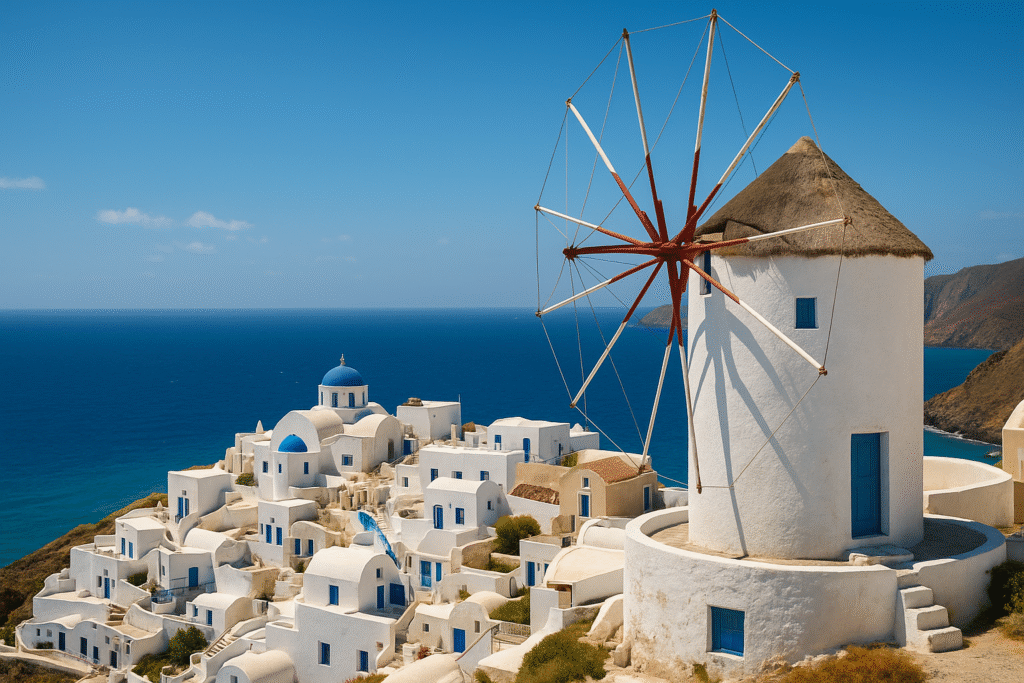
Underlying all of this is a broader shift in British holiday-maker preferences. While sun-soaked islands such as Santorini, Mykonos and Crete will continue to be strong magnets, there is growing appetite for newly promoted Greek regions that promise authenticity, less crowding and compelling landscapes. The addition of direct routes and travel packages to these emerging destinations aligns precisely with this evolution in demand.
Beyond simply more flight options, Greece’s tourism sector is emphasising the full holiday experience: ancient history, Mediterranean cuisine, rugged nature, vibrant urban hubs and warm hospitality. These elements continue to appeal strongly to British visitors who seek more than just a beach destination. The diversity of Greece’s appeal—ranging from archaeological marvels to hiking and food-driven tourism—positions it well as a year-round destination rather than a strictly summer only one.
From an economic perspective, this increased connectivity and diversified destination base are likely to contribute to further tourism growth from the UK. Greek tourism authorities and stakeholders in the UK travel industry appear committed to forging a deeper and more sustained partnership. This collaboration is not only aimed at enhancing travel options for UK visitors, but also at supporting Greece’s broader objectives of sustainable tourism growth, infrastructure improvement and calendar-year-round visitation.
For British holiday-makers, the expanded selection of routes means easier access, better scheduling flexibility and the opportunity to explore new corners of Greece beyond the mainstream. For Greece, the benefit is far-reaching: strengthening its position as a top Mediterranean destination in the UK market, drawing in visitors who are increasingly keen for richer, more immersive holiday experiences.
In short, Greece is poised to welcome a fresh wave of British tourists in 2026—those drawn not only to the familiar charms of its iconic islands but also to rising star destinations backed by enhanced air links and tailored holiday packages. With travel infrastructure and destination offerings both evolving, British visitors will find more reasons than ever to explore Greece—and Greece will be ready to reward them.
For more travel news like this, keep reading Global Travel Wire