Greece has reaffirmed its position as a global leader in marine conservation by ratifying the Global Ocean Treaty and expanding its network of Marine Protected Areas (MPAs). This initiative highlights the nation’s growing commitment to safeguarding marine ecosystems while building a sustainable tourism industry.
Long celebrated for its sun-soaked islands, turquoise waters, and rich cultural heritage, Greece is now positioning itself as a beacon of eco-friendly travel. These measures not only protect natural resources but also reinforce Greece’s place in the global marketplace for responsible tourism.
Marine Protected Areas: Safeguarding Biodiversity
The creation of new MPAs is at the core of Greece’s sustainability strategy. Spread across the Aegean and Ionian Seas, these sanctuaries provide vital habitats for endangered marine life, including sea turtles, dolphins, monk seals, and diverse fish species.
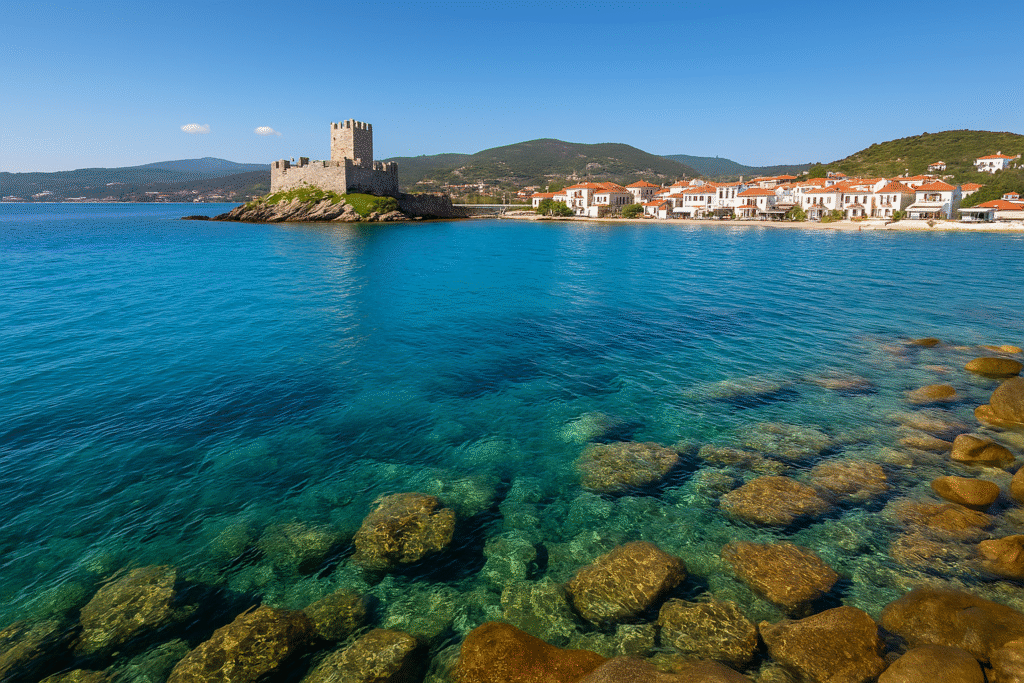
By limiting harmful activities such as overfishing, pollution, and unregulated development, MPAs help ensure that Greece’s coastal ecosystems remain resilient against climate change. They also serve as educational and eco-tourism hubs, offering travelers the chance to explore unspoiled marine environments while supporting conservation efforts.
This move positions Greece as a top destination for visitors seeking meaningful experiences that combine leisure with environmental awareness.
Sustainable Tourism: A National Priority
Greece has integrated sustainable tourism practices into its national development strategy, recognizing tourism as both an economic driver and a responsibility toward future generations. By linking conservation with visitor experiences, Greece is promoting a model where economic growth and ecological stewardship go hand in hand.
From green-certified accommodations to eco-friendly transport systems and locally sourced gastronomy, the country is aligning its tourism products with sustainability goals. These measures attract conscientious travelers who want to enjoy authentic Greek experiences without compromising environmental integrity.
Importantly, sustainable tourism also generates benefits for local communities. Small businesses, artisanal producers, and coastal villages gain new opportunities by participating in eco-tourism initiatives, ensuring that tourism growth remains inclusive and community-driven.
Cultural Heritage and Nature: A Holistic Experience
Greece is uniquely positioned to combine cultural preservation with marine conservation. Along its vast coastline lie ancient ruins, Byzantine monuments, and traditional fishing villages, creating a seamless blend of history and nature.
By implementing sustainable tourism practices at both cultural landmarks and natural sites, Greece ensures that visitors experience a well-rounded journey. Tourists can walk through centuries-old temples in the morning and explore pristine marine reserves by afternoon—an immersion in both human history and natural wonder.
This synergy enhances Greece’s appeal to travelers seeking authenticity, heritage, and eco-conscious experiences.
The Global Ocean Treaty: A Game-Changer for Tourism
The ratification of the Global Ocean Treaty represents a milestone for Greece’s marine tourism sector. The treaty, which aims to protect 30% of international waters by 2030, provides a framework for countries to expand marine sanctuaries and adopt sustainable practices.
Currently, less than 1% of international waters are fully protected. Greece’s active role in supporting the treaty underscores its ambition to align local policies with global conservation goals. For tourists, this commitment translates into the confidence that their visit directly supports environmental preservation.
Embracing the Circular Economy in Tourism
Another cornerstone of Greece’s sustainable tourism model is its integration of the circular economy. This approach emphasizes reducing waste, reusing resources, and recycling materials across the tourism supply chain.
From eco-certified hotels that minimize plastic use to recycling initiatives at popular attractions, Greece is embedding sustainability into everyday tourism experiences. The promotion of locally produced goods and farm-to-table dining further reinforces the principles of resource efficiency and cultural authenticity.
Through these practices, Greece not only reduces its environmental footprint but also enhances the quality of the visitor experience.
Marine Sanctuaries and Sustainable Fisheries
The establishment of marine sanctuaries in Greek waters goes hand in hand with promoting sustainable fisheries. Overfishing has been a concern across the Mediterranean, but Greece is addressing it by regulating practices and supporting local fishermen who adopt responsible methods.
These sanctuaries help balance ecological needs with economic livelihoods, ensuring that fishing communities thrive while marine ecosystems remain protected. Visitors benefit as well, with opportunities to enjoy fresh, sustainably caught seafood that reflects Greece’s culinary traditions.
Greece as a Model for the Mediterranean
By taking a leading role in marine conservation and eco-tourism, Greece sets an example for neighboring Mediterranean nations. Its initiatives demonstrate how cultural preservation, economic prosperity, and environmental stewardship can coexist.
As Greece expands MPAs, strengthens marine tourism policies, and embraces global conservation treaties, it is shaping the region’s future of responsible travel. The emphasis on biodiversity protection and sustainable development makes Greece a pioneer in redefining what a modern tourism destination should look like.
Conclusion: A Future Built on Sustainability
Greece’s proactive stance on marine conservation highlights its vision of tourism that thrives without compromising the environment. By combining the Global Ocean Treaty with expanded Marine Protected Areas and sustainable travel practices, the country is ensuring that its stunning coastlines and vibrant ecosystems remain intact for generations to come.
For travelers, this means that a visit to Greece is more than a holiday—it is participation in a movement toward responsible tourism. Whether exploring ancient ruins, sailing the Aegean, or diving into marine sanctuaries, visitors are contributing to a model of travel where sustainability, culture, and luxury are seamlessly intertwined.
Greece is not just protecting its oceans—it is redefining global expectations of what sustainable tourism can achieve.
For more travel news like this, keep reading Global Travel Wire