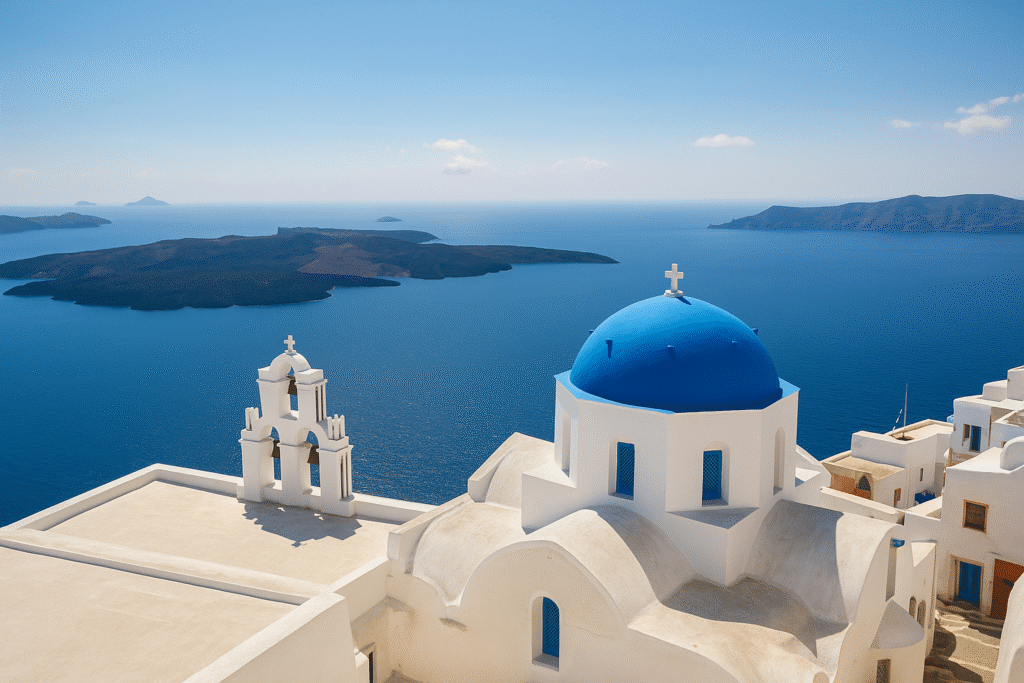
Tourism remains the beating heart of Greece’s economy, contributing over one-fifth of the country’s GDP and supporting hundreds of thousands of jobs. Each summer, millions of international travelers arrive to experience its whitewashed villages, turquoise seas, and iconic archaeological wonders. Yet the very popularity of this paradise is now creating serious challenges.
In 2025, destinations such as Santorini, Rhodes, Mykonos, and Paros are under mounting pressure from record-breaking visitor numbers. These Aegean islands, celebrated for their postcard-perfect settings, are facing unprecedented overcrowding, straining their infrastructure and resources. Without decisive action, the unique charm that draws travelers from across the world risks being eroded.
The Cost of Popularity
The South Aegean Archipelago, which includes 36 inhabited islands, attracts around 40% of all tourists visiting Greece each year. While the influx drives economic growth, it also creates an array of complications.
- Overcrowded ferries and flights: Transportation costs have surged, with ferry trips for families often topping €1,000 when bringing a car from Athens to Rhodes.
- Water and energy shortages: During peak summer months, water rationing and rolling power cuts have become common, highlighting infrastructure stretched beyond its limits.
- Housing crises: Rising real estate prices, often inflated by foreign investors and short-term vacation rentals, are pushing local families and professionals out of their communities. Medical staff shortages on islands are linked directly to limited affordable housing options.
- Healthcare and services under strain: Local clinics and facilities struggle to keep up with seasonal demand, leaving both residents and visitors at risk during emergencies.
While tourists enjoy luxury resorts and vibrant nightlife, everyday life for residents is becoming increasingly unsustainable.
Why Sustainable Tourism is Urgent
Sustainable tourism is not just a buzzword in Greece—it is fast becoming a necessity. Defined as balancing economic benefits with environmental protection and cultural preservation, it offers a roadmap for safeguarding Greece’s most famous destinations.
Key pillars of sustainable tourism include:
- Environmental stewardship: Investing in renewable energy, modern waste treatment, and water management to cope with seasonal surges.
- Cultural preservation: Encouraging visitors to engage with local traditions respectfully while supporting small businesses and artisans.
- Tourism dispersal: Promoting lesser-known destinations beyond the Cyclades, such as the Ionian and Dodecanese islands, to spread visitor numbers more evenly.
- Policy and regulation: Implementing visitor caps in peak-season hot spots, restricting the growth of unregulated vacation rentals, and incentivizing professionals to work in island communities.
Such measures not only protect natural landscapes and heritage sites but also ensure that tourism remains a positive force for local residents.
Shifting Tourist Behavior
One factor intensifying the problem is that most international travelers flock to the same handful of islands. When asked about Greek travel plans, many tourists mention only Santorini, Mykonos, Paros, or Rhodes, unaware that Greece has over 200 inhabited islands, each offering unique experiences.
This lack of awareness has resulted in concentration tourism—where a small number of destinations absorb the majority of arrivals. The consequence is overcrowding, inflated costs, and degraded visitor experience. By contrast, islands such as Naxos, Ikaria, or Symi remain relatively untouched and could relieve pressure on the overburdened hubs if properly promoted.
The Role of Government and Local Initiatives
Greek authorities are increasingly recognizing the need for change. National tourism strategies now emphasize sustainability and diversification, aligning with EU goals on climate resilience and community well-being. Investment is being directed into:
- Expanding airport and ferry infrastructure with greener technology.
- Funding eco-friendly hotels and energy-efficient accommodations.
- Launching awareness campaigns to showcase under-visited islands and inland cultural regions.
- Developing smart tourism apps to guide visitors toward authentic local experiences.
Local communities are also stepping in. On Santorini, for example, tour operators are experimenting with timed entry slots for popular attractions such as Oia’s sunset viewpoints, reducing crowding and preserving the visitor experience.
Balancing Growth With Preservation
Tourism accounts for more than 30 million international arrivals annually in Greece, and forecasts suggest this number will continue climbing. For islands like Santorini, which hosts more tourists than residents by a ratio of 10:1 during peak season, the need for balance has never been greater.
The challenge is ensuring that future growth does not come at the expense of cultural and environmental integrity. Without change, water shortages, waste mismanagement, and declining local communities could permanently damage the islands’ reputation. Conversely, with sustainable practices, Greece has the chance to position itself as a global model for responsible tourism.
A New Way Forward
The path forward lies in a dual strategy: protecting the most iconic islands while actively promoting alternative destinations. By diversifying visitor flows, strengthening infrastructure, and investing in green practices, Greece can ensure that Santorini, Mykonos, Rhodes, and Paros remain vibrant without being overwhelmed.
Equally, travelers themselves must embrace responsibility. Simple actions such as respecting conservation guidelines, supporting local businesses, reducing plastic use, and exploring lesser-known areas can collectively make a profound impact.
Conclusion
Santorini, Rhodes, Mykonos, and Paros are jewels of the Aegean, but their beauty comes with fragility. Overtourism threatens to tarnish the experience for both visitors and locals. Greece now stands at a crossroads—either allow unchecked growth to diminish its islands or embrace sustainable tourism as a cornerstone of its future.
If adopted widely, sustainable practices will preserve not only the landscapes and culture of Greece’s most beloved islands but also the livelihoods of the communities who call them home. With thoughtful planning and global cooperation, these iconic destinations can continue to enchant travelers for generations to come.
For more travel news like this, keep reading Global Travel Wire