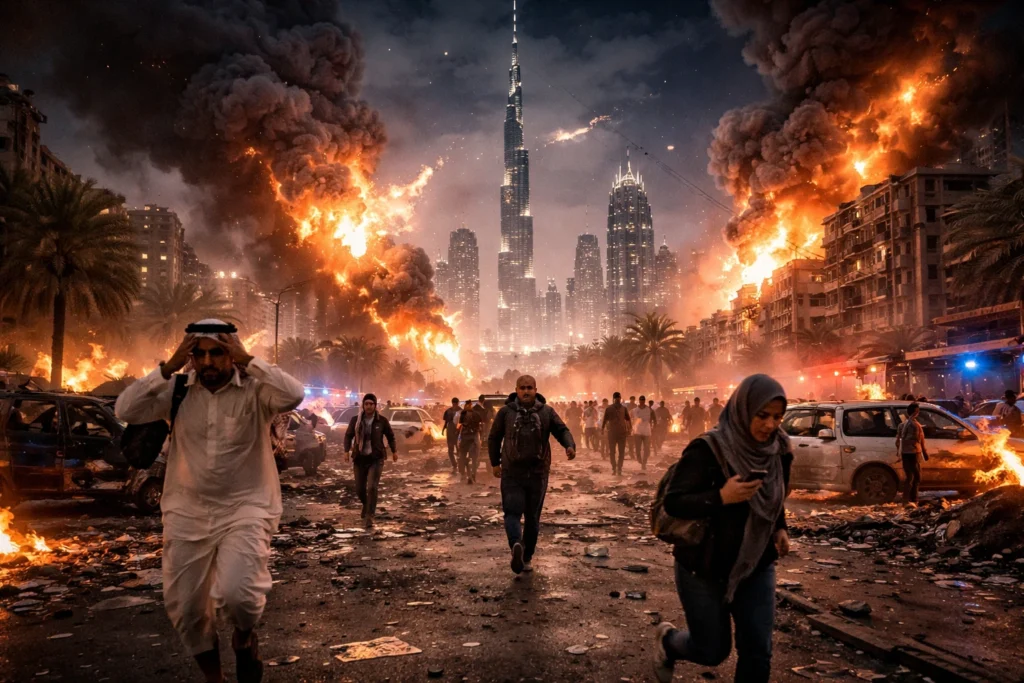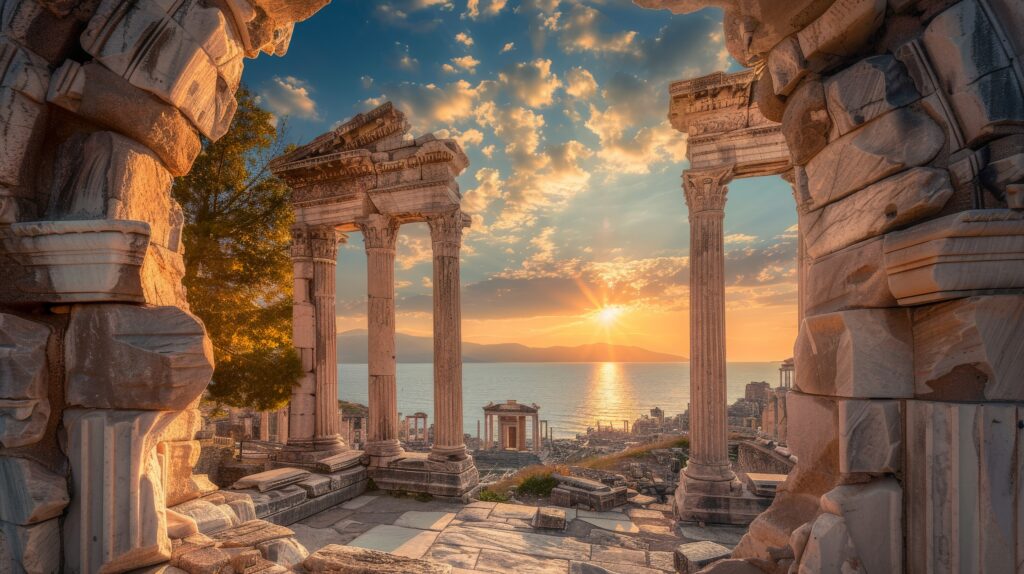
Greece’s tourism industry, long regarded as a crown jewel of Europe, is navigating a turbulent year in 2025. Fierce heatwaves, wildfires, earthquakes, geopolitical tensions, and economic instability in key markets such as the UK and US are casting a shadow over its summer rebound.
🌡️ Brutal Heatwaves & Climate-Induced Disruption
This summer, Greece has faced one of its hottest Jun-Jul periods on record. The National Observatory of Athens reported a heatwave beginning late May, with widespread temperatures above 40 °C by late June, prompting a nationwide mandatory work stoppage from midday to 17:00 for outdoor workers .
These severe conditions triggered wildfires across islands like Crete and Rhodes—echoing the 2023 wildfire crisis that led to evacuation on Rhodes . Major archaeological sites such as the Acropolis even shut their doors during peak noon due to health and safety risks .
⚠️ Natural Disasters and Their Tourism Fallout
Greece’s seismic volatility has further unsettled the tourism sector. In February 2025, a series of earthquakes struck Santorini, prompting evacuation of thousands and instigating a state of emergency . Travel disruptions, such as ferry and flight congestion, followed, damaging the image of Greece’s premier islands and prompting caution among European tourists.
🇬🇧 🇺🇸 UK and US Tourist Numbers Slump
Tourism analysts report a 40% drop in UK visitor numbers in 2025 compared to 2024 . Economic pressures from rising living costs and geopolitical tensions are dampening demand from this key market. Comparatively, US arrivals remain resilient, but broader economic headwinds—including tariff disputes—cast a shadow on future growth .
🛑 Refugee Influx Raises Security and Image Concerns
Migration concerns persist. Increased arrivals by sea to islands like Lesbos, Chios, Kos, and Samos threaten their renowned serenity . The Greek government even enacted temporary asylum bans for Crete due to rising migrant arrivals . This may alter perceptions of safety among international tourists.
🏨 Market Pressures: Hotels vs. Home Rentals
Traditional hotels are being squeezed by Airbnb and boutique rentals, which offer personalized and budget-friendly accommodations. But over-tourism in small communities is creating environmental and infrastructure strain . Meanwhile, larger resorts are pivoting to unique experiences—private tours, wellness packages—as independent rentals surge.
📉 Macro Challenges: Economy and Infrastructure
Greece’s economic growth is projected to ease to around 2.2% in 2025, affected in part by US–EU tariff tensions . Additionally, severe weather jeopardizes tourism infrastructure and hotel viability—driving legislative shifts like seawater pool use to conserve freshwater and protect resources .
⚙️ Resilient Growth Amid Adversity
Despite headwinds, Greece’s tourism remains remarkably resilient. In May 2025, visitor arrivals to registered accommodations rose 1.9% year-over-year, with 15.3 million overnight stays . Meanwhile, 2024 saw a record 40.7 million international tourists, generating €21.6 billion—a 13% rise .
🎯 Strategic Calm: Diversify & Adapt
To weather these storms, Greek tourism authorities have launched several strategic moves:
1. Air Connectivity Boosts
Greece signed a codeshare agreement with Emirates and Aegean Airlines, improving year-round access to Santorini, Mykonos, and Rhodes .
2. Sustainable Tourism Push
Under OECD and EU guidance, Greece is transitioning hotels to seawater pools and enforcing green planning to protect coastlines and water supplies .
3. New Source Markets
To counter reliance on UK/US travelers, Greece is actively targeting Middle East, Southeast Asia, and Oceania. Long-term marketing and airline partnerships aim to expand tourist diversity .
4. Off-season Promotion
Warmer spring and autumn conditions, along with cooler shoulder seasons, are being marketed aggressively—particularly in Crete, where mild weather is attracting early- and late-season visitors .
👣 Looking Ahead: Rebalancing Tourism
As professor Yiannis Paraschis of SETE affirms, 2025 began strongly, but sustaining growth requires resilience, competitiveness, adaptability . Greece must address climate risks like worsening fire seasons and promote environmental stewardship .
✅ Conclusion: Greece’s Tourism in Flux
Greece in 2025 stands at a crossroads. Extreme weather, natural disasters, shifting arrival trends from traditional UK and US markets, and migration pressures are reshaping the industry. But the nation is responding strategically:
- Expanding air routes and diversifying source markets
- Investing in sustainable infrastructure
- Promoting off-season tourism
- Embracing regulatory reform to protect natural heritage
If implemented well, these measures can protect Greece’s position as a top destination, ensuring resilience and relevance in a changing global travel landscape.
For more travel news like this, keep reading Global Travel Wire