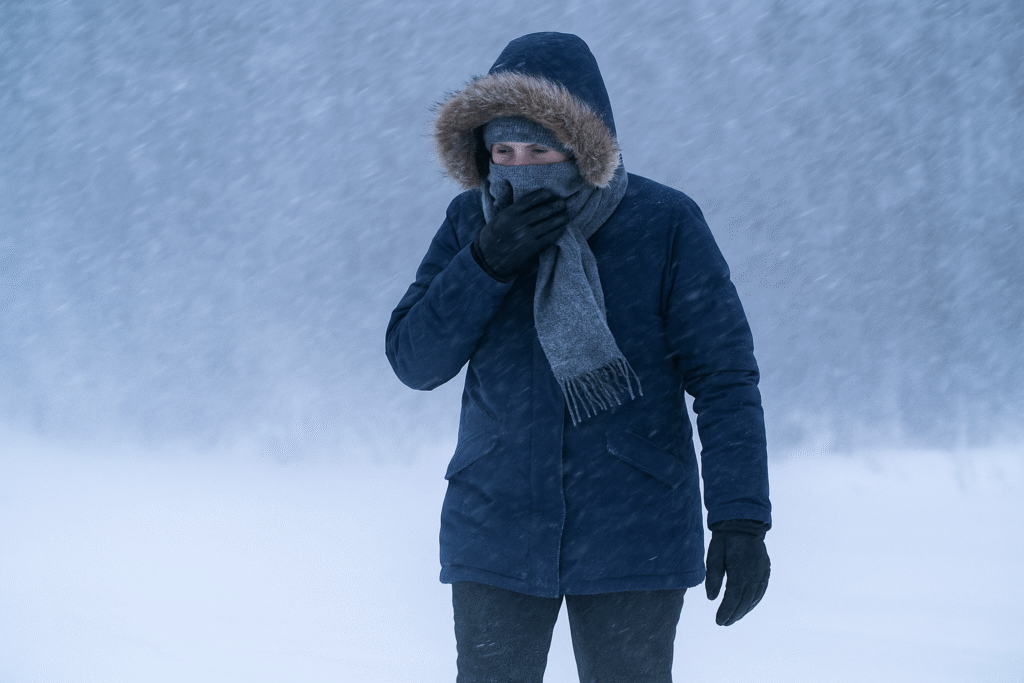
A powerful Arctic outbreak is sweeping through Michigan, Ohio, Wisconsin, Kentucky, New York, New Jersey, Virginia, and several nearby states. Temperatures are falling at a pace rarely seen this early in the year. Many regions are now bracing for sub-zero lows, fierce winds, and a surge in frostbite cases.
For travelers on the road or in the air, this cold wave presents more than a disruptive weather pattern. It poses immediate safety threats that demand quick action and strong awareness.
Wind Chill Alerts Expand Across the Region
Meteorologists warn that the combination of freezing air and strong winds will drive wind chill levels to life-threatening lows. Many areas in the Midwest and the Ohio Valley could see “feels-like” temperatures between –15°F and –30°F.
These values mean exposed skin can freeze in minutes. Experts urge travelers to stay updated on local forecasts and to plan routes with warming shelters or indoor rest stops in mind.
Understanding the Cold Alerts
- Extreme Cold Warning: Issued when air temperature or wind chill reaches dangerously low thresholds. Outdoor exposure is hazardous.
- Cold Weather Advisory: Conditions remain risky but fall short of warning level. Frostbite and hypothermia remain possible with extended exposure.
- Wind Chill Values: A combined measure of temperature and wind speed. Lower wind chill means faster heat loss from skin.
Why This Cold Wave Is More Dangerous Than Usual
This event is not a routine winter chill. The cold air mass arriving from the Arctic is unusually deep and dense, causing a rapid temperature drop across multiple states.
Wind Accelerates Heat Loss
Even a moderate wind of 15 mph can push the effective temperature far below what thermometers show. At 0°F with steady wind, the body experiences conditions closer to –19°F.
Frostbite Strikes Fast
Fingers, toes, nose, and ears are the first to lose heat. In extreme cold, travelers may experience numbness or pale skin within minutes.
Hypothermia Risk Increases
When the body loses heat faster than it can produce it, internal temperatures fall. Confusion, shivering, and slurred speech can appear quickly. Travelers waiting for delayed flights, stranded on roads, or walking between vehicles face added risk.
Travel Safety Guidance for the Cold Snap
Officials urge visitors and residents to take extra precautions while navigating the region. Travel delays, event cancellations, and route closures are possible as temperatures drop.
Dress Smartly
Wear insulated, layered clothing. Outer layers should block wind and repel water. Thick socks, gloves, hats, scarves, and face coverings help retain body heat.
Protect Skin
Cover all exposed skin while outdoors. Even brief exposure during short walks can trigger frostbite in severe wind chills.
Stay Dry
Moisture from snow or sweat dramatically speeds heat loss. Change wet clothing immediately.
Limit Outdoor Time
Avoid non-essential trips. Travelers should take warming breaks if they must walk long distances between parking areas, stations, or terminals.
Know the Warning Signs
- Frostbite: Numbness, tingling, pale or waxy skin.
- Hypothermia: Shivering, drowsiness, confusion, slow breathing.
Seek warmth and medical help if symptoms appear.
Who Faces the Highest Risk?
Some groups are more vulnerable during this cold outbreak.
Outdoor Travelers and Workers
Delivery personnel, construction workers, airport ground crews, and tourists walking outdoors face higher exposure.
Older Adults and Young Children
These groups lose body heat faster and may not recognize early symptoms of cold stress.
People Without Adequate Heating
Residents of poorly insulated homes, people experiencing homelessness, and individuals without access to warm clothing face greater risk.
Pets
Animals suffer cold injuries quickly. If it’s too cold for a human, it’s too cold for a pet.
Impact on Travel Across Key States
Michigan and Wisconsin
Lake-effect snow combined with severe wind chills may create low visibility and icy roads. Travelers should check for road closures and prepare for slower travel times.
Ohio and Kentucky
Wind chill values may fall below –20°F. Outdoor events and activities are likely to be canceled. Travelers should keep emergency kits in vehicles.
New York and New Jersey
Coastal winds will intensify cold impacts. Airports may experience delays due to de-icing operations.
Virginia and the Mid-Atlantic
Rapid cooling may produce icy sidewalks and bridges. Tourists visiting outdoor attractions should shift plans indoors.
Community Response and Local Measures
Many cities are opening warming centers for residents without reliable heating. Emergency teams encourage neighbors to check on older adults, people with disabilities, and those living alone.
Officials also remind residents to use heating devices safely. Improper use of generators, space heaters, or charcoal grills indoors can lead to carbon monoxide poisoning.
A Winter Blast With Real Consequences
This cold snap is not a typical seasonal dip. The speed and severity of the temperature drop make it a genuine public safety threat. Travelers should prepare thoroughly, stay informed, and take every cold-weather alert seriously.
As temperatures plunge, simple choices—like covering exposed skin, limiting outdoor movement, and helping a neighbor—can prevent life-threatening injuries. Stay warm, stay aware, and plan smartly as this historic Arctic blast unfolds.
For more travel news like this, keep reading Global Travel Wire