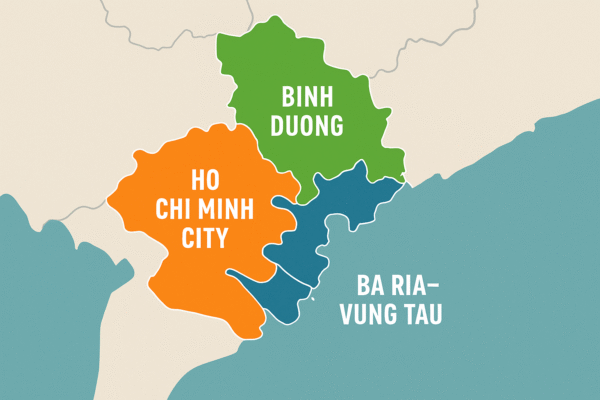
Ho Chi Minh City has entered a new era of tourism following its administrative merger with Binh Duong and Ba Ria-Vung Tau. This strategic change has created opportunities to expand travel experiences across the region. By combining urban vibrancy, industrial tourism, and coastal leisure, the city aims to strengthen its position as a leading tourism hub in Southeast Asia.
The merger highlights a vision of a “triangle of identity” that showcases each area’s unique characteristics. Ho Chi Minh City stands out for culture and commerce, Binh Duong for industry and craftsmanship, and Ba Ria-Vung Tau for wellness and beach tourism. Together, these destinations offer a dynamic and diverse portfolio that appeals to global travelers.
Urban Energy at the Core
The heart of Ho Chi Minh City remains the main driver of cultural and commercial tourism. Its city center continues to attract international visitors with bustling markets, historic landmarks, and a growing list of premium hotels and restaurants. This area reflects the city’s creative pulse and sets the tone for innovative tourism experiences.
Attractions such as the Opera House, Notre-Dame Cathedral, Ben Thanh Market, and the Saigon River waterfront offer rich cultural value. Combined with luxury hospitality options, these landmarks turn the city center into a magnet for both leisure and business travelers.
Industrial and Craft Tourism in Binh Duong
Moving outward, Binh Duong is emerging as a hub for industrial tourism and traditional crafts. Visitors can explore lacquerware workshops, pottery villages, and modern factories such as the Yakult production site. These experiences showcase both heritage and contemporary industry, appealing to travelers interested in education and cultural depth.
Tour operators are developing short-day tours that combine visits to craft villages with orchard trips and eco-tourism sites. This approach encourages deeper exploration while keeping itineraries flexible for short-stay visitors.
Binh Duong also has growing potential for MICE tourism. Its industrial strength makes it a natural choice for conferences, exhibitions, and corporate events. The proximity to Ho Chi Minh City ensures that business trips can easily be paired with leisure or cultural activities.
Leisure and Wellness in Ba Ria-Vung Tau
Ba Ria-Vung Tau offers a very different appeal with its beaches, luxury resorts, and wellness tourism. Destinations such as Ho Tram, Long Hai, and Con Dao are gaining international recognition for their scenic beauty and relaxing atmospheres.
Future development plans include turning Vung Tau into a world-class smart and green tourism hub. Authorities are exploring new night-time economy models and entertainment zones, including beachfront cafes, rooftop bars, vibrant food streets, and entertainment complexes such as the Tam Giac Beer Park. These projects are designed to extend visitor stays and enhance the coastal experience.
Promoting Tea Culture and Unique Experiences
Ho Chi Minh City has also begun to highlight cultural tourism tied to everyday traditions. A recent collaboration between the city’s Department of Tourism and Doi Dep JSC introduced tea culture into luxury hospitality experiences. A famtrip to Lam Dong included a tour of the 1927 Tea Factory and networking at a golf resort. This initiative connects hotels, travel firms, and cultural producers, ensuring that visitors experience Vietnamese traditions in modern settings.
Such creative programs signal a wider move toward specialized tourism products that combine culture, wellness, and leisure. These experiences target high-end travelers seeking authenticity and exclusivity.
Expanding the Coastal Experience
Survey trips have explored further opportunities for growth in Vung Tau and nearby areas. New attractions along Trung Trac and Trung Nhi streets could soon transform the region into a lively shopping and entertainment hub. By diversifying leisure offerings, the city expects to appeal to both domestic tourists and international holidaymakers.
The combination of coastal beauty, entertainment, and wellness facilities places Ba Ria-Vung Tau in a strong position to compete with regional resort destinations.
Building Interconnected Tourism Routes
One of the most promising strategies is the creation of interconnected tourism routes linking Ho Chi Minh City, Binh Duong, and Ba Ria-Vung Tau. These itineraries would allow visitors to experience urban culture, industrial tours, and coastal retreats in a single trip.
For example, a visitor could start in the city center exploring landmarks and cuisine, then travel to Binh Duong for a day of craft village tours, and finally spend a few days relaxing on the beaches of Ba Ria-Vung Tau. The close distances between these destinations make such routes ideal for weekend or short-stay packages.
MICE and Medical Tourism Growth
The merger has also expanded opportunities in business tourism. Ho Chi Minh City can now offer large-scale MICE events supported by leisure options in nearby coastal and ecological areas. Business travelers can attend conferences in the city and then enjoy retreats at luxury resorts within a few hours’ drive.
Medical tourism is another growing sector. The city’s world-class hospitals can be paired with wellness resorts in Ba Ria-Vung Tau, creating packages that combine healthcare, recovery, and leisure. This integration strengthens Vietnam’s competitiveness in specialized tourism markets.
Toward a Dynamic Tourism Ecosystem
Experts believe the merger has created strong momentum for growth in domestic and international tourism. The region is especially well-positioned to serve short-stay, seasonal, and weekend travelers seeking diverse experiences.
By investing in themed tourism products such as craft village tours, coastal wellness, and cultural heritage programs, Ho Chi Minh City and its partners are building a tourism ecosystem that combines tradition with modern innovation.
Final Thoughts
Ho Chi Minh City’s strategy after merging with Binh Duong and Ba Ria-Vung Tau reflects a bold vision for the future of tourism. With urban vibrancy, industrial tourism, and coastal leisure forming a unique triangle of identity, the city is ready to become a top destination in Southeast Asia.
Through continued collaboration and innovation, Ho Chi Minh City is set to deliver travel experiences that are diverse, culturally immersive, and sustainable. For travelers, this region now represents one of Vietnam’s most exciting tourism frontiers.
For more travel news like this, keep reading Global Travel Wire