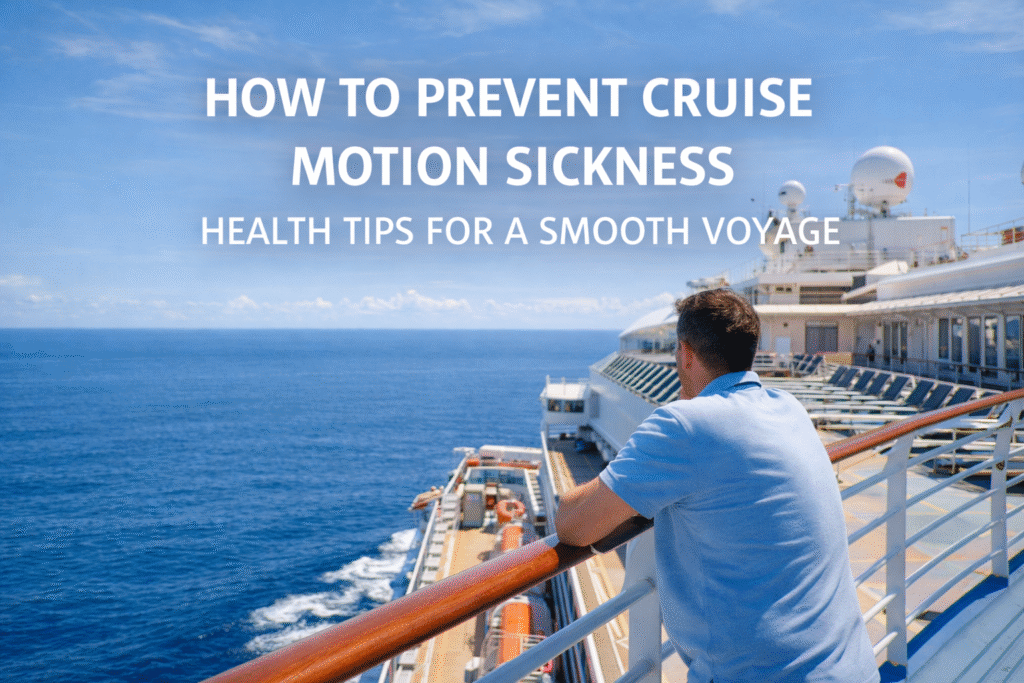
Cruising remains one of the most popular ways to explore the world, offering passengers an experience that blends luxury, comfort and global discovery aboard a floating resort. Yet for many travelers, the excitement of setting sail can be clouded by motion sickness—commonly referred to as cruise sickness. This condition can affect both new and seasoned cruisers, leading to nausea, dizziness and fatigue that can diminish the enjoyment of an otherwise unforgettable journey. The good news is that health experts emphasize that cruise motion sickness can be prevented, managed and treated with the right strategies before and during a voyage.
Understanding Cruise Motion Sickness
Cruise sickness occurs when the brain receives conflicting signals from the body’s balance system. While the inner ear senses the ship’s movement across the waves, the eyes may see a stationary cabin or interior space, causing the brain to misinterpret the situation. This sensory mismatch triggers nausea, headaches, dizziness and in more severe cases, vomiting. Motion sickness is not a sign of illness, nor does it necessarily mean a traveler is unfit to cruise. Even experienced sailors can experience discomfort during rough seas or during itineraries that cross open waters.
Medical authorities identify several factors that may increase susceptibility, including individual sensitivity, weather conditions, fatigue, dehydration and stress. However, with awareness and preparation, most travelers can significantly reduce symptoms—or avoid them altogether.
Preparing Before Boarding: Key Prevention Tips
Preventing cruise sickness starts before a traveler ever steps onto the ship. Simple planning decisions can make a major difference in how the body adjusts to motion.
Selecting the right cabin location is among the most effective preventive tactics. Midship cabins on lower decks experience the least movement because they sit close to the vessel’s natural center of gravity. Rooms located near the bow or stern feel more pronounced pitching and rolling, which can intensify symptoms for sensitive travelers.
Medication can also play a role in prevention. Over-the-counter antihistamines and prescription motion-sickness patches are widely used by travelers who know they are prone to discomfort. These products work by calming the parts of the nervous system responsible for nausea and balance. Health professionals recommend taking medication before symptoms begin, ideally prior to embarkation, as preventive dosing has been shown to be more effective than reactive treatment.
Hydration and nutrition are also important. Heavy meals, greasy foods and alcohol can aggravate nausea and increase dehydration, making symptoms worse once the ship begins to move. Eating smaller, lighter meals and drinking water throughout travel days supports better physical adaptation onboard.
Onboard Strategies for Managing Symptoms
Once on the ship, several behavioral strategies can help passengers stay comfortable and maintain equilibrium.
One of the most commonly recommended techniques is focusing on the horizon. Keeping the eyes fixed on a stable, distant view helps synchronize visual input with the body’s sense of motion, reducing sensory conflict. Spending time outdoors on deck or in areas with panoramic sightlines can be particularly beneficial.
Travelers are also advised to avoid reading or long periods of screen use, as focusing on nearby objects increases visual-vestibular mismatch and can bring on nausea more quickly. If symptoms appear, lying down in a quiet space, especially in a cabin located near the middle of the ship, can help the body recalibrate. Cool air, rest and relaxation also play important roles in easing discomfort.
Certain non-medical remedies have gained popularity among cruisers as well. Ginger, mint and acupressure wristbands are frequently used to help soothe nausea, and many travelers report success with them. While results vary, none pose significant risks and can be used alongside other preventive measures.
Immediate Relief When Cruise Sickness Hits
If motion sickness develops despite preventive steps, there are still effective methods to restore comfort. Stepping outside for fresh air, sipping water and resting in a stable part of the ship can offer quick relief. Taking anti-motion medications at the first sign of symptoms can stop escalation. Ships typically maintain well-equipped medical centers staffed by trained professionals who can provide treatment advice and supplies for passengers in need.
Persistent or severe symptoms may require medical evaluation, especially if vomiting leads to dehydration or prolonged dizziness. Travelers are encouraged to seek care sooner rather than later if symptoms do not subside.
What Cruise Lines Are Doing to Help Travelers
Modern cruise lines acknowledge that motion sickness can affect guest experience and have taken steps to support passengers before and during sailing. Many provide informational materials, onboard medical access, optional wellness products and lifestyle tips tailored to different itineraries. Larger vessels today are also built with stabilizer systems designed to reduce rolling and improve overall sailing comfort, especially during open-ocean crossings.
Smooth Sailing Ahead
Cruising is meant to be a restorative and exhilarating way to explore the world. With the right preparations and a familiarity with seasickness prevention techniques, passengers can dramatically reduce discomfort and fully enjoy the pleasures of life at sea—from gourmet dining and shore excursions to entertainment and relaxation.
Ultimately, a little planning can go a long way. Choosing the right accommodations, packing proper remedies and understanding how the body reacts to motion allows travelers to embark with confidence. For those dreaming of a future voyage, smooth sailing is not only possible—it’s well within reach.
For more travel news like this, keep reading Global Travel Wire