A Dangerous Storm Nears the Caribbean
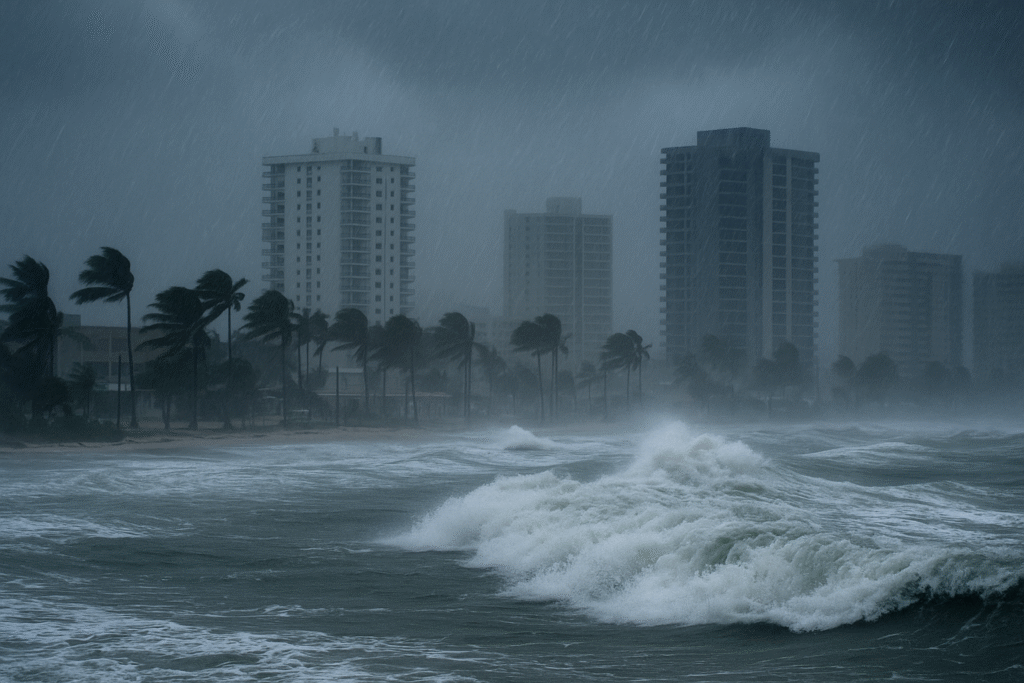
Hurricane Melissa has intensified into a Category 5 hurricane, threatening Jamaica, Haiti and the Dominican Republic. The storm’s winds have reached over 150 mph, and its slow movement makes it more destructive.
Heavy rain, flooding and storm surge are expected across key tourism areas. Governments and travel operators are on high alert as the region braces for impact.
Jamaica on Emergency Alert
Jamaica’s tourism industry faces one of its toughest tests in years. The island, famous for its beaches and resorts, is now directly in the hurricane’s path.
Melissa’s slow pace increases the danger. The same areas may experience prolonged rainfall and high winds. Flooding, landslides and power outages are likely.
Flights Cancelled, Airports Closed
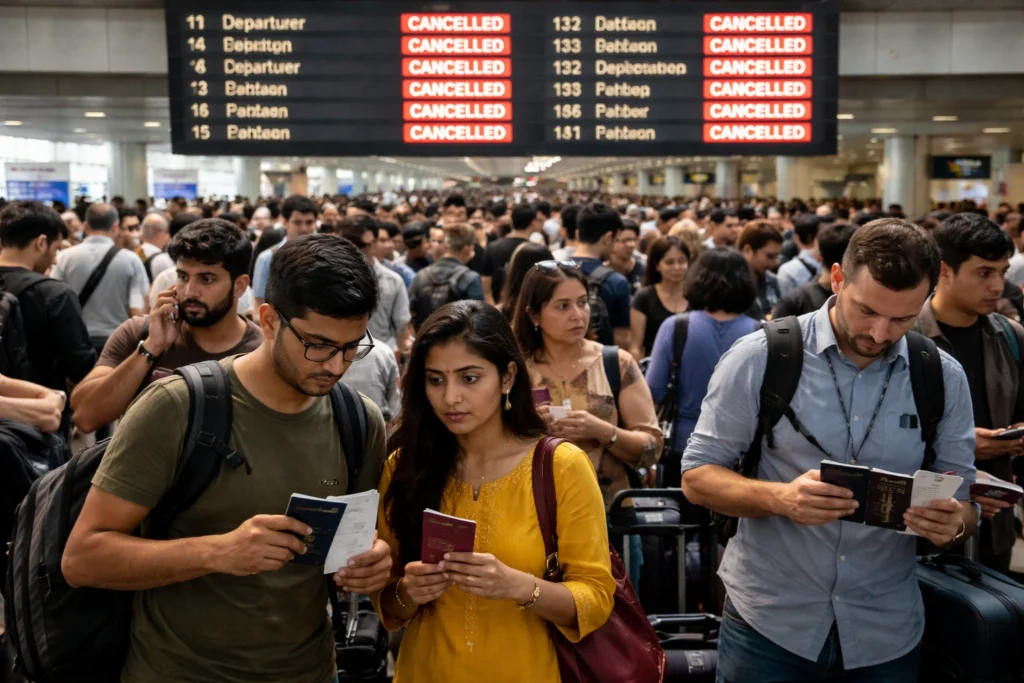
Authorities have shut down Norman Manley International Airport in Kingston and Sangster International Airport in Montego Bay.
Hundreds of flights are cancelled. Travellers are stranded or unable to reach the island. Airlines are urging passengers to check updates and rebook when safe.
Resorts and Beaches Under Threat
Popular vacation spots like Negril, Ocho Rios and Montego Bay are now storm zones. Floodwaters and strong winds threaten hotels, restaurants and beach facilities.
Coastal roads could be cut off, trapping tourists and disrupting essential services. Local authorities have deployed emergency teams to high-risk zones.
Situation in Haiti and the Dominican Republic
Haiti’s southern coast is preparing for severe flooding and landslides. Port-au-Prince may experience infrastructure damage, cutting access to tourist areas.
The Dominican Republic faces heavy rainfall, with Santo Domingo and resort towns under storm alerts. Emergency shelters are opening for both residents and visitors.
Government Response and Tourist Safety
The Jamaican government has activated more than 650 shelters across the island. Officials urge tourists to remain calm and follow evacuation orders.
The Office of Disaster Preparedness and Emergency Management (ODPEM) is coordinating with hotels to ensure guests have access to safe shelters and supplies.
Safety Guidelines for Visitors
Tourists in affected areas should act fast and follow official instructions:
- Stay Updated: Check weather bulletins and local advisories often.
- Avoid Travel: Do not attempt to move through flooded roads or restricted zones.
- Find Shelter: Use designated hotels or government shelters for protection.
- Keep Supplies Ready: Have water, food, medication and flashlights available.
- Follow Evacuation Orders: Cooperate with hotel staff and local authorities.
Local Communities Facing Hardship
Beyond tourism, communities in Jamaica, Haiti and the Dominican Republic face widespread damage. Flooded homes, downed power lines and blocked roads have left thousands vulnerable.
Emergency crews are working around the clock to restore power and clear debris. Relief teams are distributing food and medical aid where possible.
Tourism Economy Takes a Hit
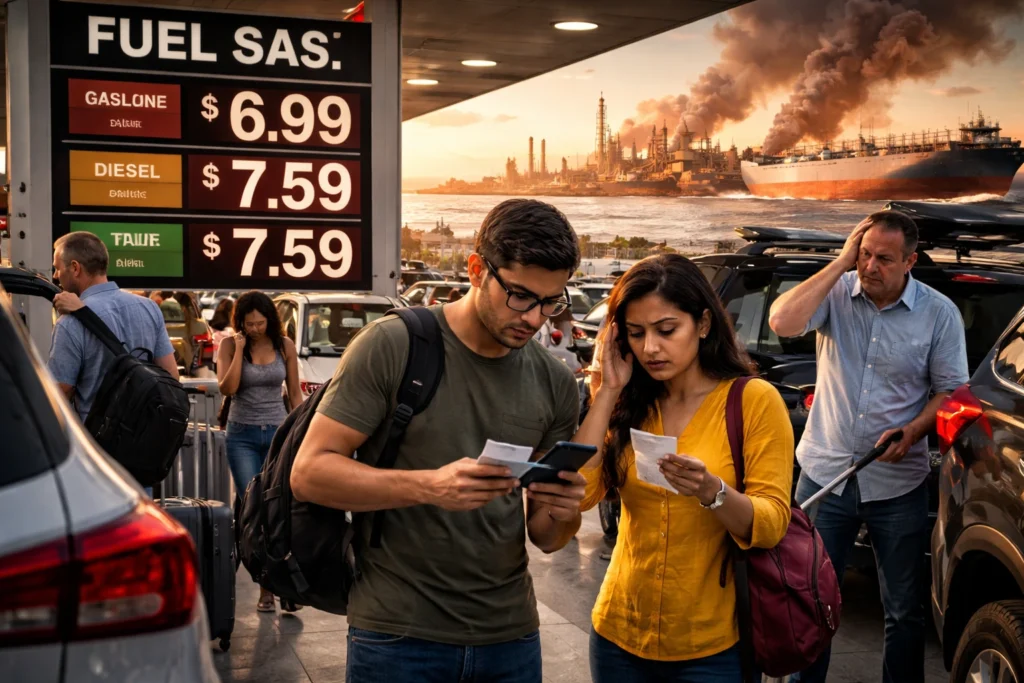
The hurricane will cause short-term economic loss for Caribbean tourism. Hotels are closed, flights suspended and bookings cancelled.
Travel agencies and tour operators are helping visitors reschedule trips. Governments expect recovery efforts to take weeks, possibly months.
Long-Term Recovery and Rebuilding
After the storm, rebuilding infrastructure will be critical. Roads, airports and resorts will need inspection and repair before reopening.
Tourism boards plan to launch recovery campaigns once safety is restored. Clean-up efforts are already underway in parts of Jamaica less affected by flooding.
Preparing for the Days Ahead
Meteorologists predict up to 40 inches of rain in some areas. Storm surges could reach 12 feet, especially along low-lying coasts.
Travelers are urged to postpone trips to affected countries until officials confirm it is safe to return. Patience and preparedness will be key during this crisis.
Conclusion
Hurricane Melissa is now one of the strongest storms to hit the Caribbean in recent years. Jamaica, Haiti and the Dominican Republic are in full emergency mode.
Tourists must stay sheltered, avoid unnecessary travel and follow all government advisories.
When the winds calm and skies clear, the region will begin the long road to recovery — united in resilience and ready to rebuild its tourism future.
For more travel news like this, keep reading Global Travel Wire