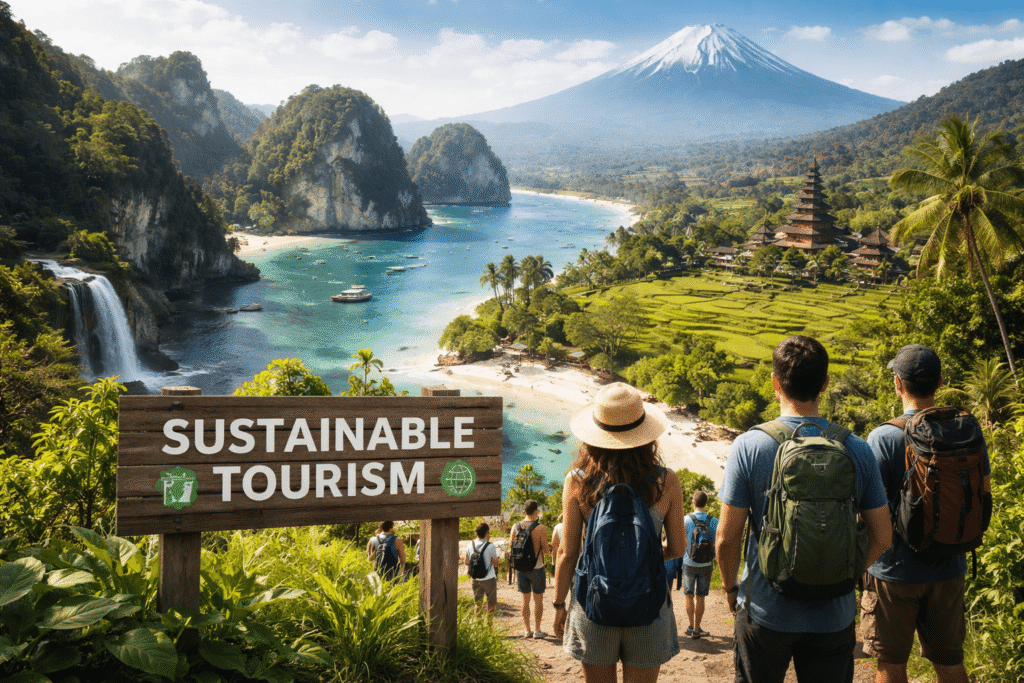
Overtourism is no longer a future threat. It is a present challenge. From volcanic landscapes to tropical beaches, popular destinations now face environmental strain, overcrowding, and cultural erosion. In response, Iceland has joined several Asia-Pacific nations in enforcing strict tourism controls. These measures aim to protect nature, limit footfall, and promote responsible travel.
Countries such as Thailand, the Philippines, Indonesia, Japan, and Bhutan now rely on visitor caps, eco-conscious fees, and digital access systems. Together, they signal a global shift toward sustainability over unchecked tourism growth.
Iceland Tightens Controls to Protect Fragile Landscapes
Iceland’s tourism boom transformed its economy but strained its natural sites. Authorities now prioritize conservation and controlled access.
Popular locations such as glacier lagoons, waterfalls, and highland trails require paid access or parking fees. These charges support site maintenance, safety upgrades, and environmental protection. Digital reservation systems also regulate entry at high-demand areas. They spread visitor traffic and reduce congestion.
The government also promotes low-impact travel. Initiatives focus on responsible hiking, wildlife protection, and emissions reduction. Local operators now align tourism growth with environmental limits.
Thailand Restricts Beach Access and Adds Entry Fees
Thailand remains one of the world’s most visited countries. This popularity damaged coral reefs, beaches, and marine life.
Authorities now limit access to sensitive coastal areas. Iconic bays reopened with strict daily visitor caps and time limits. Entry fees now fund marine restoration and beach management.
Thailand also plans a nationwide tourism fee for foreign visitors. Revenue will support national parks, waste management, and infrastructure repairs. Resort hubs like Phuket must now follow tighter construction and environmental rules to prevent further damage.
The Philippines Enforces Quotas on Island Destinations
The Philippines learned hard lessons from unchecked island tourism. Boracay’s temporary closure marked a turning point.
Today, visitors pay environmental fees that fund sewage systems, beach cleanup, and capacity control. Accommodation limits reduce strain on water and waste services. Authorities also consider daily arrival caps to maintain balance.
Other destinations now follow similar paths. Entry controls, advance bookings, and regulated tours aim to protect marine ecosystems and support local livelihoods. Community-led tourism plays a growing role in these reforms.
Indonesia Introduces Island-Wide Levies in Bali
Bali faces long-term challenges from mass tourism. Waste, water shortages, and cultural pressure forced swift action.
International visitors now pay a mandatory tourism levy upon arrival. Funds support waste management, cultural preservation, and sustainable infrastructure. The island also enforces a pause on new hotel construction in overcrowded zones.
Local authorities promote water-saving systems and responsible tourism behavior. These efforts aim to stabilize resources while preserving Bali’s spiritual and cultural identity.
Japan Caps Visitors at Mount Fuji
Japan continues to attract record visitor numbers. Natural landmarks now require stricter oversight.
Mount Fuji, the country’s most climbed peak, now has daily climber limits. Visitors must pay a climbing fee and follow designated schedules. Night ascents face restrictions to improve safety and reduce waste.
Japan also emphasizes traveler education. Campaigns promote respect for nature, local customs, and low-impact travel. The focus has shifted toward quality tourism rather than volume.
Bhutan Maintains Its High-Value, Low-Volume Model
Bhutan stands apart with a long-standing sustainability-first approach. The country limits visitor numbers through daily development fees.
Tourism revenue supports healthcare, education, infrastructure, and conservation. All visitors book through approved operators, ensuring controlled travel and cultural respect.
Bhutan also links tourism to climate goals. The country uses tourism income to offset emissions and support renewable energy. This model prioritizes long-term well-being over short-term gains.
What These Measures Mean for Travelers
Travel has changed. Visitors now need more planning and awareness.
Advance bookings matter more than ever. Environmental fees are common and unavoidable. Travelers should view these costs as contributions, not barriers.
Eco-certified hotels, local guides, and low-impact activities help destinations thrive. Respecting rules, trails, and cultural norms protects places for future visitors.
A New Era of Responsible Tourism
Iceland and Asia-Pacific nations now lead a global tourism reset. Visitor caps, environmental levies, and digital access systems reshape how people travel.
These policies protect ecosystems, preserve heritage, and support local communities. They also send a clear message. Tourism must respect limits.
As global travel demand grows, sustainability will define success. Destinations that act now will endure. Travelers who adapt will help shape a better future for tourism worldwide.
For more travel news like this, keep reading Global Travel Wire