River tourism across India and Bangladesh has entered a transformative phase in 2026. Historic vessels and paddle steamers have returned as luxury heritage cruises that blend history, culture, and modern hospitality. Governments in both countries have invested heavily in restoring maritime traditions while building new tourism experiences.
Tourism authorities now position rivers as major travel corridors rather than transport routes. These projects aim to attract international travelers seeking immersive journeys rooted in heritage and nature. As a result, river cruising has gained global attention as one of the most exclusive travel trends of the year.
Government Initiatives Drive Growth in Inland Waterway Tourism
India and Bangladesh have taken proactive steps to modernize river tourism infrastructure. The Inland Waterways Authority of India has partnered with private cruise operators to introduce advanced vessels along major rivers. These partnerships focus on luxury services combined with historical storytelling.
National Waterway-1, which stretches along the Ganga river system, has received significant investment for terminals, dredging, and navigational improvements. Authorities aim to create a seamless travel experience that meets international standards.
Bangladesh has also expanded eco-tourism initiatives along the Ganges–Brahmaputra delta. Government-backed programs encourage heritage vessel restoration while maintaining environmental sustainability. Officials believe river tourism can strengthen local economies and promote cultural preservation.
Bengal Paddle Steamer Returns as a Floating Heritage Experience
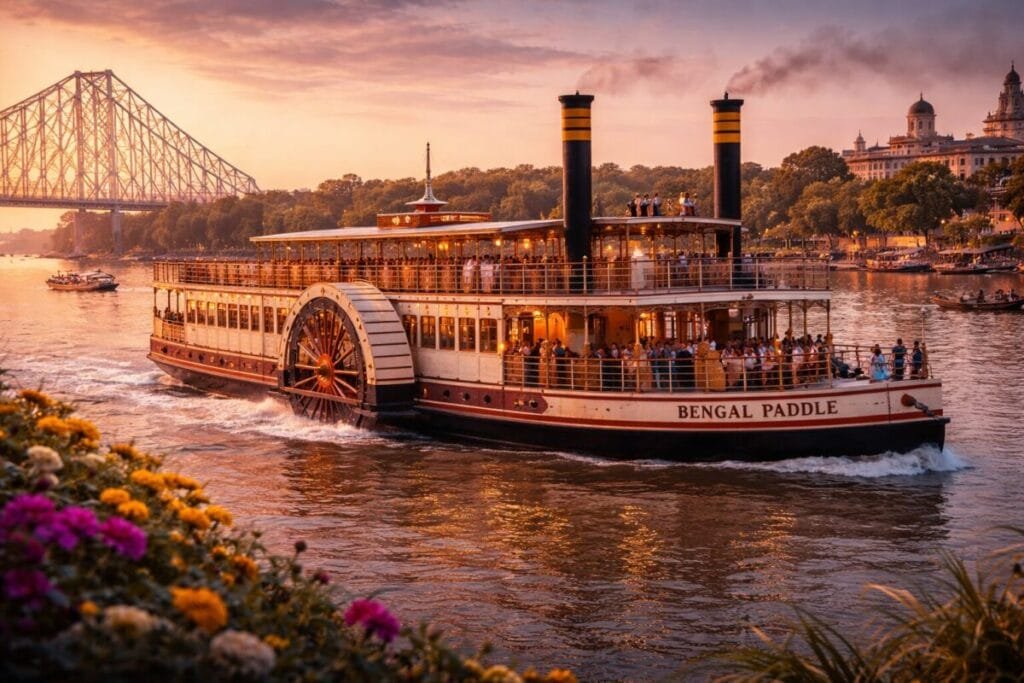
One of the most anticipated projects involves the revival of the historic Bengal Paddle steamer. Originally built decades ago, the vessel has undergone extensive restoration to transform it into a luxury heritage cruise. The redesigned ship combines vintage aesthetics with modern comforts.
Passengers can explore maritime artifacts such as antique navigation tools, ship bells, and historical displays. Cultural programming includes Bengali cuisine, traditional music, and storytelling sessions that highlight regional history.
The project demonstrates how heritage assets can gain new life through tourism innovation. Authorities have also embraced sustainability by restoring existing vessels instead of building entirely new ones. This approach reduces environmental impact while preserving historical identity.
New Heritage Cruises Transform the Hooghly River Corridor
The success of the Bengal Paddle has encouraged further restoration projects. Several historic pilot launches will soon operate as boutique heritage cruises along the Hooghly River. These vessels will host cultural events, private celebrations, and themed voyages that focus on history and gastronomy.
Tourism planners envision the Hooghly as a leading heritage cruise corridor. Travelers will experience scenic river views while learning about colonial architecture, trade history, and local traditions.
Floating venues also create new opportunities for events such as weddings and cultural festivals. This diversification strengthens tourism revenue streams and attracts both domestic and international audiences.
MV Ganga Vilas Leads the World’s Longest River Cruise Experience
The MV Ganga Vilas stands at the center of India’s river tourism expansion. This luxury cruise offers a multi-week journey connecting Varanasi to Dibrugarh across numerous river systems. The route includes dozens of destinations that highlight historical sites, wildlife reserves, and cultural landmarks.
Passengers experience curated excursions that include visits to ancient temples, Buddhist heritage sites, and traditional villages. The vessel’s design incorporates elements inspired by regional art and architecture, creating a culturally immersive atmosphere.
Tourism experts consider this cruise a milestone in experiential travel. Long-duration river voyages appeal to travelers seeking slow tourism and deeper cultural engagement.
Cultural and Economic Impact Strengthens Local Communities
Heritage river cruises provide significant economic benefits for riverside communities. Tourism development creates jobs for guides, hospitality staff, artisans, and performers. Local farmers and suppliers also benefit through partnerships with cruise operators.
Cultural programming onboard often features local musicians and craftspeople, which helps preserve traditional skills. Travelers gain authentic insights into regional lifestyles, strengthening cultural exchange.
Government leaders view river tourism as a strategic economic driver. Investment in waterways supports regional development while encouraging sustainable travel practices.
Bangladesh Revives Historic Rocket Steamers for Authentic River Journeys
Bangladesh has revived historic rocket steamers that once served as iconic river transport vessels. These steam-powered boats now operate as heritage cruises offering travelers an authentic experience of delta life.
Routes include scenic stops in Chandpur, Barisal, and other river towns. Passengers witness daily life along the waterways while enjoying traditional cuisine and comfortable cabins.
Tourism authorities emphasize authenticity by preserving original vessel design while upgrading safety and environmental standards. These heritage journeys attract travelers interested in history, culture, and slow travel experiences.
Sustainability and Green Technology Shape Modern River Cruises
Environmental sustainability remains central to new river tourism initiatives. Modern vessels incorporate eco-friendly technologies such as advanced waste management systems and low-emission engines. Some projects also explore electric propulsion and renewable energy integration.
Authorities aim to balance tourism growth with river conservation. Responsible development ensures that increased visitor numbers do not harm fragile ecosystems.
Travelers increasingly prioritize sustainable tourism options. River cruises that emphasize environmental protection attract eco-conscious visitors who seek meaningful travel experiences.
Future Outlook Signals Continued Expansion in River Tourism
The revival of heritage vessels and launch of luxury cruises signal a new era for river tourism in South Asia. India and Bangladesh continue to expand infrastructure and promote cultural tourism experiences along major waterways.
Industry analysts expect demand for river cruises to grow as travelers seek alternatives to crowded destinations. Heritage voyages offer exclusivity, storytelling, and scenic exploration that appeal to modern travel preferences.
As more vessels enter service, river tourism will likely become a defining feature of regional travel. The fusion of history, sustainability, and luxury positions these journeys among the most distinctive tourism experiences of 2026.
For more travel news like this, keep reading Global Travel Wire