
India has entered a new phase in tourism development. Authorities now focus on unique and immersive travel experiences. This shift changes how travelers explore the country.
Officials want visitors to move beyond traditional sightseeing. They promote meaningful journeys that connect people with nature and culture. As a result, India now highlights lesser-known regions. These areas offer rare beauty and untouched landscapes.
Authorities also invest in infrastructure improvements. They aim to support long-term growth in tourism. Local communities benefit directly from these changes. Travelers can now enjoy both adventure and peace in one destination.
Global Travel Trends Drive India’s Strategy
The global travel industry continues to evolve rapidly. Travelers now seek deeper engagement instead of simple vacations. They want authentic experiences and personal growth.
India responds to this demand with new tourism initiatives. These programs focus on storytelling, sustainability, and learning. Visitors no longer settle for crowded attractions. Instead, they search for meaningful connections with destinations.
This strategy aligns with changing traveler preferences. Younger generations value sustainability and unique experiences. Older travelers prioritize wellness and comfort. India addresses both groups through diversified tourism offerings.
Union Territories Take Center Stage
India now highlights its Union Territories as emerging tourism hubs. These regions include Ladakh, Lakshadweep, Daman and Diu, and the Andaman and Nicobar Islands. Each destination offers distinct natural and cultural experiences.
Authorities aim to reduce pressure on overcrowded tourist spots. They encourage travelers to explore quieter regions. This approach protects popular destinations while promoting new ones.
Smaller groups of travelers visit these areas. They respect local traditions and fragile ecosystems. This model supports sustainable tourism growth. It also improves visitor satisfaction through personalized experiences.
Ladakh Emerges As A Global Astro Tourism Destination
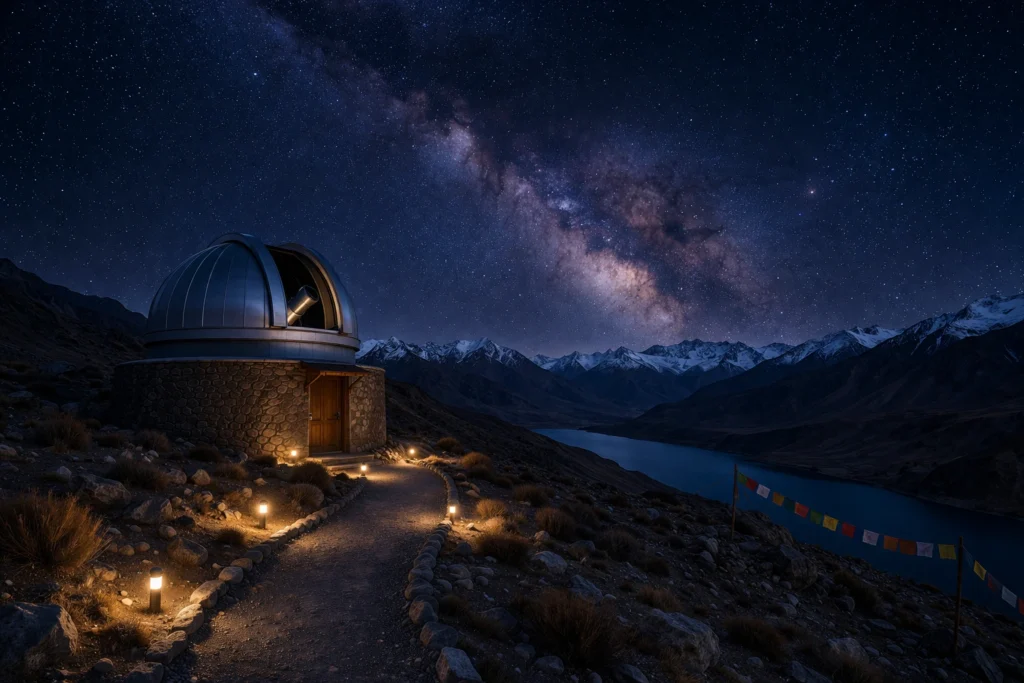
Ladakh leads India’s astro tourism revolution. The region hosts the country’s first Dark Sky Reserve in Hanle. This site offers clear night skies with minimal light pollution.
Visitors can observe stars, planets, and galaxies with exceptional clarity. Scientists, photographers, and enthusiasts flock to this destination. The high altitude enhances visibility and creates a unique viewing experience.
Astro tourism also extends the travel season. Visitors arrive during winter months for clearer skies. This trend supports year-round tourism in Ladakh. It also boosts local businesses and employment.
Adventure Tourism Gains Momentum
India expands its adventure tourism offerings across Union Territories. Ladakh hosts extreme events such as frozen marathons and ice hockey tournaments. These activities attract thrill-seekers from around the world.
Such events also improve infrastructure in remote regions. Authorities build better roads, accommodations, and safety systems. This development benefits both tourists and residents.
Adventure tourism adds excitement to India’s travel portfolio. It creates new reasons for travelers to explore remote landscapes.
Cruise Tourism Adds Exclusive Experiences
India also strengthens its cruise tourism sector. The Andaman and Nicobar Islands offer unique ocean-based experiences. One major attraction includes cruises near Barren Island, the region’s only active volcano.
Travelers enjoy rare views of volcanic landscapes from a safe distance. This experience attracts high-value tourists seeking exclusivity. It also enhances India’s appeal in luxury travel markets.
Cruise tourism supports coastal economies as well. Local businesses benefit from increased visitor spending.
Wellness And Eco Tourism Shape The Future
Wellness tourism continues to grow across India. Authorities develop retreats that focus on health, relaxation, and mindfulness. These destinations use natural surroundings to enhance well-being.
Eco tourism also plays a key role in this strategy. Authorities create biodiversity trails and conservation programs. These initiatives protect natural habitats while allowing responsible tourism.
Travelers now prefer slower journeys. They spend more time in one place and engage deeply with local culture. This approach benefits both visitors and communities.
Local Economies See Strong Growth
Niche tourism creates high-value opportunities for local businesses. Travelers spend more on specialized experiences such as trekking, diving, and stargazing.
Local guides, artisans, and small hotels gain steady income. This model distributes economic benefits across communities. It also reduces the negative impact of mass tourism.
Authorities also support skill development programs. These programs train local residents in hospitality and tourism services. As a result, communities become active participants in the industry.
India Strengthens Its Global Tourism Position
India’s new tourism strategy enhances its global image. The country now competes with top niche travel destinations worldwide. It offers experiences that combine luxury, sustainability, and authenticity.
Travelers now view India as more than a traditional destination. They see it as a place for discovery and personal growth. This shift increases international interest and investment.
A New Era For Travel In India
India’s focus on astro tourism and niche travel marks a major transformation. Union Territories now stand at the forefront of this change. These regions offer unique experiences that attract global travelers.
This strategy ensures sustainable growth and long-term success. It balances economic development with environmental protection. Most importantly, it delivers unforgettable experiences for visitors.
India now leads a new era of tourism where quality matters more than quantity.
For more travel news like this, keep reading Global Travel Wire