









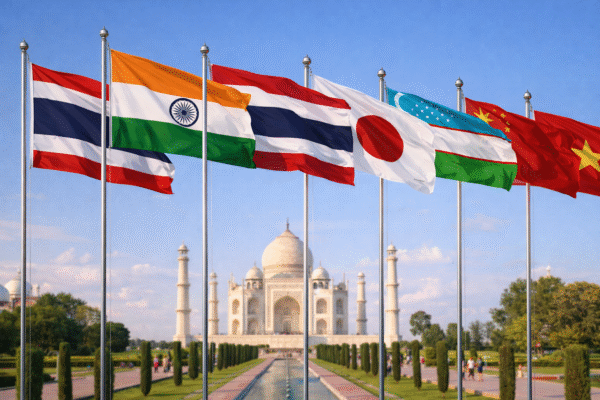
India has introduced major changes to its e-Visa fee structure. The update affects long-term travelers from many Asian nations. Thailand now joins South Korea, Japan, Uzbekistan, China, Malaysia, Vietnam, and others under the revised pricing.
The government has increased fees for business visas and extended tourist visas. Short-term visas remain largely unchanged. This shift reflects India’s reciprocity-based visa policy.
Travelers planning long stays or repeated visits now face higher costs. Business travelers feel the impact most.
Reciprocity Drives the New Visa Fees
India follows a reciprocal visa model. Visa costs depend on what Indian citizens pay when visiting other countries. This system creates different prices by nationality.
Countries that charge higher visa fees to Indians now face higher Indian visa costs. The revised pricing aims to balance diplomatic and economic relationships.
Some travelers see moderate increases. Others face sharp fee jumps. These differences reflect bilateral visa arrangements.
One-Year Business Visa Fees Rise Sharply
The one-year e-Business Visa now costs more for most nationalities. The base fee has increased from 80 US dollars to 120 US dollars.
Several countries face even higher charges. Thai nationals now pay 200 US dollars. Travelers from Australia and Saudi Arabia pay 215 US dollars.
United Kingdom travelers face fees exceeding 240 US dollars. United Arab Emirates citizens now pay more than 400 US dollars.
These increases directly affect entrepreneurs and corporate travelers. Frequent business visitors must adjust travel budgets.
Asian Travelers Face Higher Long-Term Costs
Travelers from Thailand, Japan, South Korea, Malaysia, Vietnam, China, and Uzbekistan now feel the impact. Long-term planning has become more expensive.
Business travelers from Asia often visit India repeatedly. Higher visa fees may reduce trip frequency.
India remains affordable for short visits. Extended stays now require careful financial planning.
Five-Year Tourist Visa Sees Major Increases
India has also raised fees for the five-year e-Tourist Visa. The standard cost has jumped from 80 US dollars to 200 US dollars.
Frequent leisure travelers feel the change immediately. Many relied on this visa for repeated trips.
United Kingdom travelers face the highest increase. Their fee has surged to nearly 500 US dollars.
For travelers from Thailand, Malaysia, Vietnam, China, and South Korea, the five-year visa remains priced at 80 US dollars. This difference highlights strong reciprocity variations.
Short-Term Tourist Visas Stay Affordable
India has left several visa categories unchanged. These options continue to attract short-term visitors.
The 30-day e-Tourist Visa remains affordable. The one-year e-Tourist Visa has also seen no increase.
Medical, conference, and wellness-related visas remain unchanged. These categories support healthcare tourism and business events.
Short-term travelers continue to benefit from stable pricing.
India Extends 30-Day Visa Entry Flexibility
India has also expanded flexibility for short-term tourists. The 30-day e-Tourist Visa now allows entry within 120 days of issue.
This change supports flexible travel planning. Tourists gain more time to arrange trips.
The extended entry window offsets some impact from higher long-term fees. Short visits remain attractive and accessible.
New e-Visa Categories Support Niche Travel
India has introduced four new e-Visa categories. These additions support diverse travel needs.
The Entry Visa supports business, research, and employment travel. The Transit Visa simplifies stopovers.
The Mountaineering Visa targets adventure travelers. The Film Visa supports international productions.
These categories reduce paperwork and support growing tourism segments. India aims to attract specialized travelers.
Business and Tourism Sectors Adjust
Higher visa fees may influence travel behavior. Some travelers may shorten trips or reduce visit frequency.
Businesses may reassess travel schedules. Entrepreneurs must factor in higher administrative costs.
Tourism operators may see shifts in long-stay demand. Short-term tourism remains resilient.
India continues to attract visitors through culture, business opportunities, and affordability.
Asia Reacts to the Visa Changes
Asian travel markets closely monitor India’s policy updates. Countries like Thailand and Japan maintain strong travel ties with India.
Higher fees could influence outbound travel decisions. Travelers may compare India with alternative destinations.
India’s strong cultural and economic appeal remains a key advantage. Many travelers will adapt rather than cancel plans.
India Balances Accessibility and Policy Alignment
India aims to modernize its visa system. Fee increases reflect policy alignment rather than restriction.
The government balances affordability with reciprocity. Short-term tourism remains accessible.
Long-term travelers must plan carefully. Transparent pricing helps travelers prepare in advance.
What Travelers Should Do Next
Travelers should review updated visa fees before booking. Long-term visitors should budget for higher costs.
Business travelers may explore shorter visa options. Tourists may prefer one-year or short-term visas.
Early planning reduces surprises. Understanding nationality-based fees remains essential.
A New Phase for India’s Visa Landscape
India’s visa fee increase marks a strategic shift. Thailand, Japan, South Korea, and other Asian nations now share this experience.
Short visits remain easy and affordable. Long-term travel now comes at a premium.
India continues to welcome global travelers. Its visa system now reflects a stronger focus on balance and reciprocity.
Travelers who plan carefully can still enjoy smooth entry into one of Asia’s most dynamic destinations.
For more travel news like this, keep reading Global Travel Wire