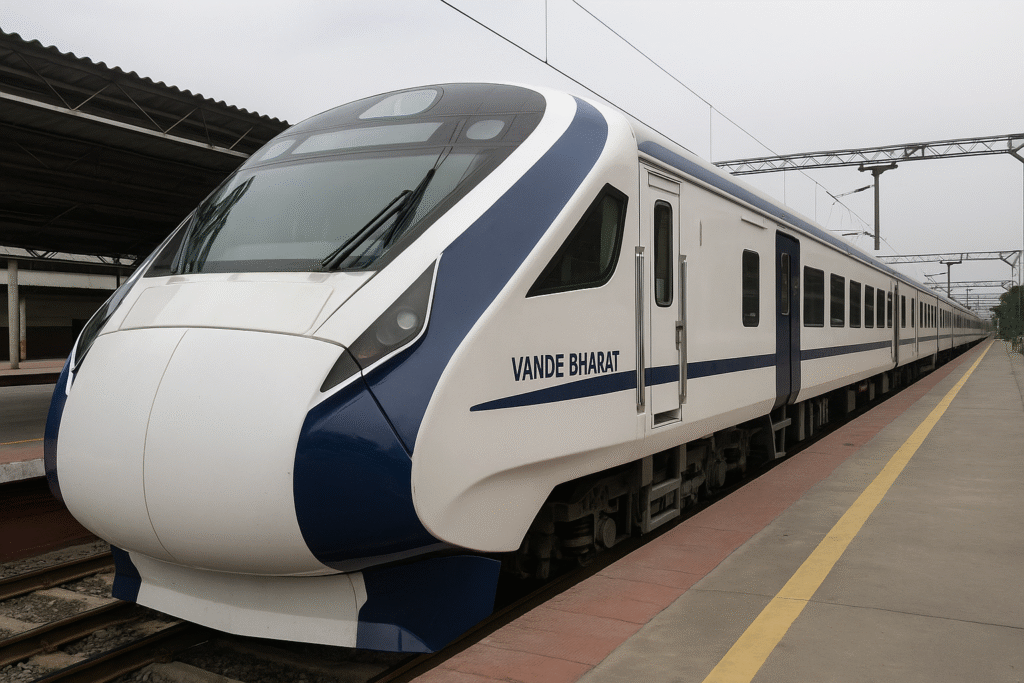
In a bold stride toward modern rail travel, India is gearing up to introduce a Sleeper Vande Bharat Express on the Lucknow–Mumbai route. Once operational, this new overnight train is expected to shrink the current 22-hour journey to just 12 hours, offering travelers speed, comfort, and convenience like never before. The proposed service represents a key pillar in Indian Railways’ broader push to upgrade infrastructure and promote tourism connectivity in the country.
Transforming Long-Distance Travel
The Lucknow–Mumbai Sleeper Vande Bharat Express is slated to operate under the Agra division of North Central Railway. If the current projections hold, the train will cover the roughly 1,300 km distance overnight, allowing passengers to depart late evening and arrive refreshed by morning. This major time cut is expected to reduce dependence on connecting trains or long layovers, especially for business commuters, families, and tourists.
By bridging Uttar Pradesh and Maharashtra more efficiently, the train may unlock new patterns of inter-state travel. Weekend getaways, cultural exchange tours, and small-scale pilgrim circuits could flourish as travelers seize the opportunity to explore without consuming entire days in transit.
What to Expect Onboard
This sleeper version of Vande Bharat is designed to blend speed with overnight comfort. Some anticipated features include:
- Air-conditioned sleeper coaches across multiple classes (AC First, AC 2-Tier, AC 3-Tier)
- Automatic doors and modern safety systems like crash-resistant couplers and fire detection
- Ergonomic berths and noise-dampening interiors for restful sleep
- Onboard amenities such as digital displays, infotainment consoles, and e-ticketing support
Moreover, Indian Railways is scaling up its manufacturing plans: prototype runs are underway, with orders for additional sleeper rakes already placed. By FY 2025–26, up to 10 sleeper Vande Bharat trains are expected to roll out on key corridors. The Integral Coach Factory (ICF) and other domestic units are preparing to produce 24-coach rakes in coming years to meet rising demand.
Impact on Connectivity & Tourism
The introduction of this overnight express has the potential to reshape rail connectivity between northern and western India. The drastically reduced travel time means that passengers can depart after dinner and arrive early next day, maximizing time at their destination.
Tourism is set to benefit significantly. Lucknow, with its Nawabi heritage, architectural gems, and rich culinary culture, is a compelling draw for travelers from both within and outside Uttar Pradesh. Meanwhile, Mumbai remains one of India’s premier gateways—business hub, coastal leisure destination, and cultural melting pot. Fast, comfortable overnight transit between the two cities will likely fuel more multi-city itineraries.
Regional tourism circuits along the route may also gain traction. Cities like Agra, Gwalior, Indore, and Ujjain could see spillover benefits, as easier rail connectivity encourages side trips and local stays. Heritage walks, culinary trails, religious tourism, and offbeat explorations may all find new audiences.
Broader Rail Modernization Context
The sleeper Vande Bharat project is part of a wider evolution within Indian Railways. In parallel, multiple Vande Bharat expansions and revamps are underway, including longer trains, increased coach counts, and new corridors. The rail ministry has already ordered additional propulsion systems and rakes to support full-scale deployment of sleeper services in the coming years.
During recent trials, the sleeper variant has impressed officials with its combination of comfort and efficiency. In recognition of that success, more units are being commissioned, while full launches are expected from late 2025 onward. Manufacturing partners across India are scaling capacity to meet ambitious targets.
The broader vision is clear: make overnight train travel as comfortable as daytime services, reduce travel time across long distances, and elevate rail as a preferred mode for premium journeys across India.
Challenges & Strategic Imperatives
While the excitement is justified, hurdles remain. Land acquisition for new sections, route clearances, testing and certification, maintenance facilities, and staff training need to be aligned for seamless operation. Coordinating among multiple railway zones and state authorities will also be key.
Additionally, optimizing stops to balance speed with accessibility will determine success. Too many halts slow the service; too few reduce regional reach. Crafting an ideal schedule that serves both long-haul and intermediate towns will require careful planning.
Affordability will be another factor. To ensure widespread adoption, fare structures must strike a balance between premium service and value for money. Dynamic pricing, early booking incentives, and tiered classes may help.
What Travelers Should Watch For
- Launch timeline: Officials have indicated sleeper Vande Bharat launches will begin around late 2025, pending approvals.
- Booking windows & ticketing: As the service nears rollout, reservation systems will open.
- Route finalization & stops: Several stops across intermediate cities are expected, enhancing local connectivity.
- Promotional packages: Tourism boards may partner with rail authorities to offer bundled travel deals.
Once operational, this service has the potential to benchmark overnight rail travel. It could spark further proposals on corridors like Delhi–Mumbai, Delhi–Chennai, and more, fueling a network of high-speed sleeper links across India.
The proposed Lucknow–Mumbai Sleeper Vande Bharat Express is poised to redefine overnight train travel in India. By compressing the journey into 12 hours with enhanced amenities, it offers a compelling new option for both business and leisure travelers. As rail networks evolve and sleeper Vande Bharat rakes expand, India could soon see an age of seamless, comfortable overnight journeys that strengthen connectivity, promote tourism, and elevate the rail experience for millions.
For more travel news like this, keep reading Global Travel Wire